India’s Ethanol Expansion Raises Costs for Sugar, Maize and Food Industries
India’s expanding ethanol program is increasing demand for sugar and maize while reshaping farmers’ planting decisions. Sugar prices, lower production forecasts and growing grain-based ethanol output have intensified debate over the costs of raising the petrol-blending rate.
Sugar prices rise as production forecast falls
India’s rapid expansion of ethanol blending is beginning to affect markets beyond transport fuel, increasing competition for sugar and maize while influencing oilseed production. The policy is intended to reduce dependence on imported crude oil, but food processors and agricultural buyers face concerns about the availability and cost of feedstocks that can also be used for ethanol.
ABP News reported that India’s retail sugar price reached 55.70 rupees per kilogram on August 20, 2026, compared with 48.18 rupees a month earlier. The government attributes the increase primarily to lower domestic output, festive-season demand and stockpiling rather than the diversion of sugar into ethanol.
Sugar production is now estimated at 30.6 million tonnes, down from an earlier forecast of 34.3 million tonnes. Red rot disease, top borer infestation and waterlogging caused by heavy rainfall have affected sugarcane yields. Some experts nevertheless argue that greater diversion of sugar feedstocks to ethanol is also adding pressure to prices.
Grain becomes the leading ethanol feedstock
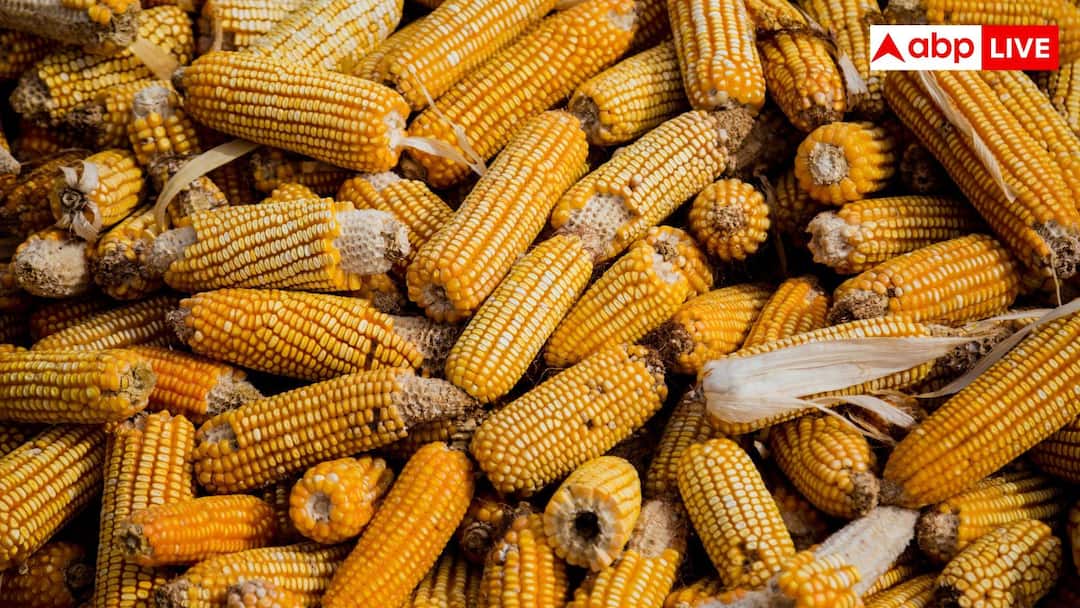
Sugar is no longer the only agricultural market exposed to the blending program. About three-quarters of India’s ethanol is now grain-based, according to reports cited by ABP News, with maize playing a particularly important role. The resulting increase in maize demand has supported prices and encouraged farmers to consider expanding cultivation in expectation of stronger returns.
That shift creates competition among ethanol producers, livestock-feed users and other maize buyers. Higher feedstock prices can improve farm income, but they also raise costs for industries that rely on the same crop. The scale of the effect will depend on harvest volumes and on how quickly ethanol demand grows under any future increase in the blending requirement.
Oilseed planting faces indirect pressure
The ethanol expansion is also influencing the edible-oil supply chain through distillers dried grains with solubles, or DDGS. Greater maize processing produces more DDGS, which can replace some oilmeal in animal feed. As demand for oilmeal declines, farmers may find crops such as soybean and groundnut less attractive than maize and rice.
This substitution could complicate the government’s objective of increasing self-sufficiency in edible oils. Reduced oilseed planting would affect crushers and edible-oil processors even though their products are not directly used in petrol blending. For agricultural markets, the policy therefore creates linked effects across fuel, feed, sugar and vegetable-oil supply chains.
Capacity exceeds the current blending requirement
India achieved its 20% ethanol blending target in 2025, earlier than scheduled, and there are now calls to raise the rate to 30%. According to Indian Sugar and Bio-energy Manufacturers Association data cited by ABP News, national ethanol production capacity already exceeds 20 billion litres. Approximately 11 billion litres are required for 20% blending.
Support for a higher target strengthened after crude oil moved above $100 per barrel because ethanol blending can reduce foreign-exchange expenditure on oil. However, the available capacity also means that the next policy decision will affect how aggressively producers compete for agricultural inputs. For sugar mills, grain distilleries, food manufacturers and feed companies, the central issue is no longer capacity alone, but how feedstock allocation influences prices and planting choices across India.