India's Edible Oil Prices Rise 10-12% on Costlier Imports and Monsoon Fears
Retail prices for mustard, soybean and palm oil in India have climbed 10-12% year-on-year, driven by higher import costs and concern over a weaker-than-normal monsoon. As the world's top edible oil importer, India faces continued price pressure in the coming months.
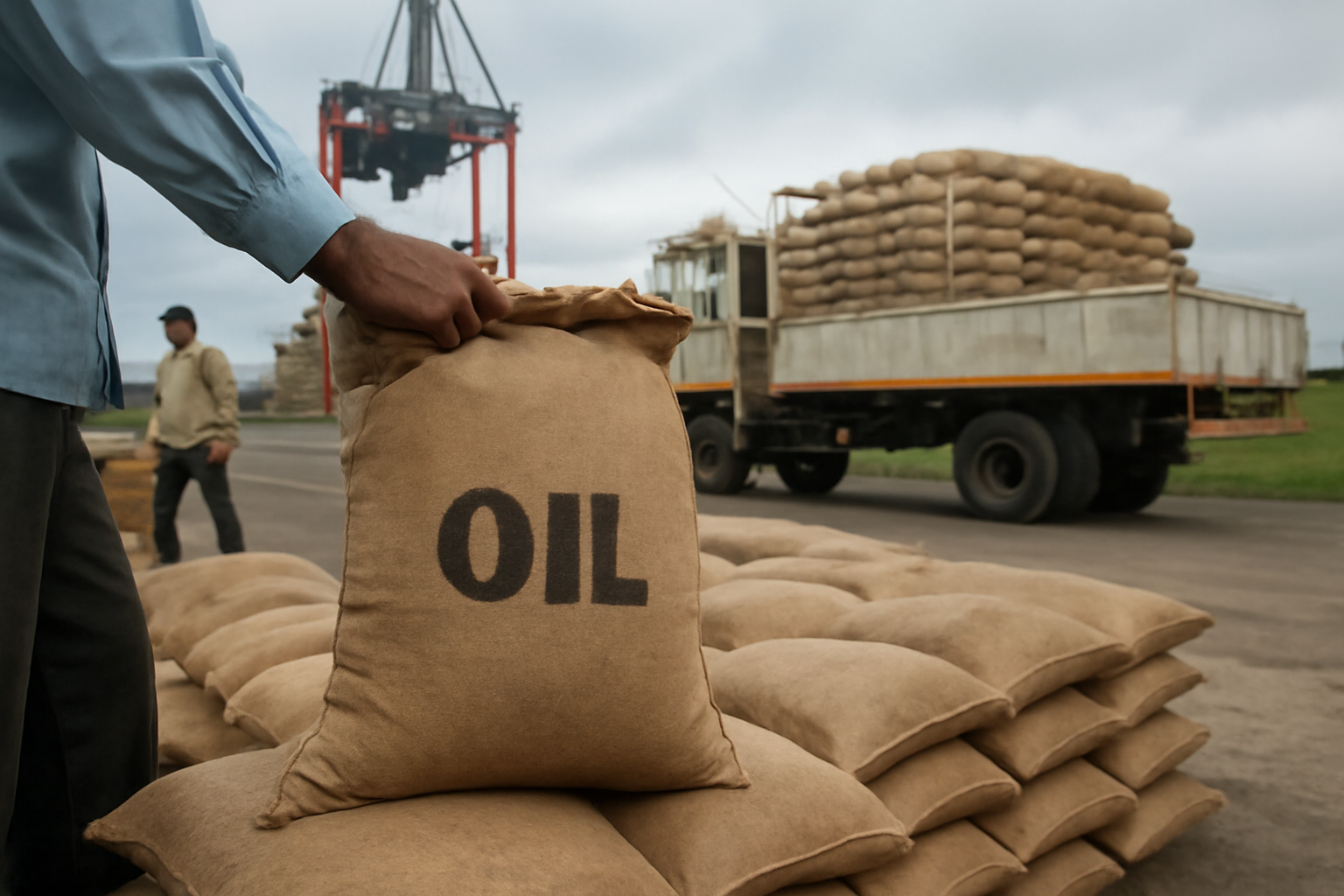
India's cooking oil prices climb on costlier imports and monsoon worries
Retail prices of edible oils in India have risen between 10% and 12% over the past year, with higher import costs and concern over a weaker-than-normal monsoon cited as the main reasons. Mustard, soybean and palm oil — the three staples of Indian kitchens — have all moved higher on the shelf, tightening household budgets in the world's largest edible oil importer.
What is pushing prices higher
The increase reflects a sharp rise in global edible oil prices, which feeds directly into Indian retail costs because the country buys a large share of its cooking oil from abroad. As import bills climb, the added cost is passed through to consumers across all three major oils. Because India depends heavily on overseas supply to meet domestic demand, movements in international prices and the cost of bringing product into the country translate quickly into what households pay.
The monsoon factor
Alongside import costs, the market is watching the monsoon closely. Fears of below-normal rainfall are adding to the upward pressure, since weaker rains raise concern about domestic oilseed output and keep buyers cautious. The combination of costlier imports and an uncertain growing season is expected to keep cooking oil prices elevated in India over the coming months.
What it means for the market
For importers and traders, the environment points to firm demand for palm, soybean and mustard oil at higher price levels, with India's role as the leading global buyer keeping it central to edible oil trade flows. For exporters supplying the Indian market, elevated international prices support values but also test the purchasing power of one of the world's largest consumer bases.
- Mustard, soybean and palm oil retail prices up 10-12% year-on-year.
- Main drivers: higher import costs and fears of a weaker-than-normal monsoon.
- India is the world's top edible oil importer, leaving it exposed to global price swings.
- Prices are expected to stay elevated over the coming months.
The squeeze on kitchen budgets underscores how closely Indian food inflation tracks the global edible oil market. With both the import channel and the domestic harvest under pressure at the same time, relief for consumers depends on either a cooling in world prices or a favourable turn in the monsoon.