Palm oil supplies more than 38% of India’s edible-oil consumption
Palm oil accounts for more than 38% of India’s edible-oil consumption, equivalent to roughly 9 million tonnes. The scale of that dependence links food affordability and India’s self-sufficiency plans to the availability of a single commodity.
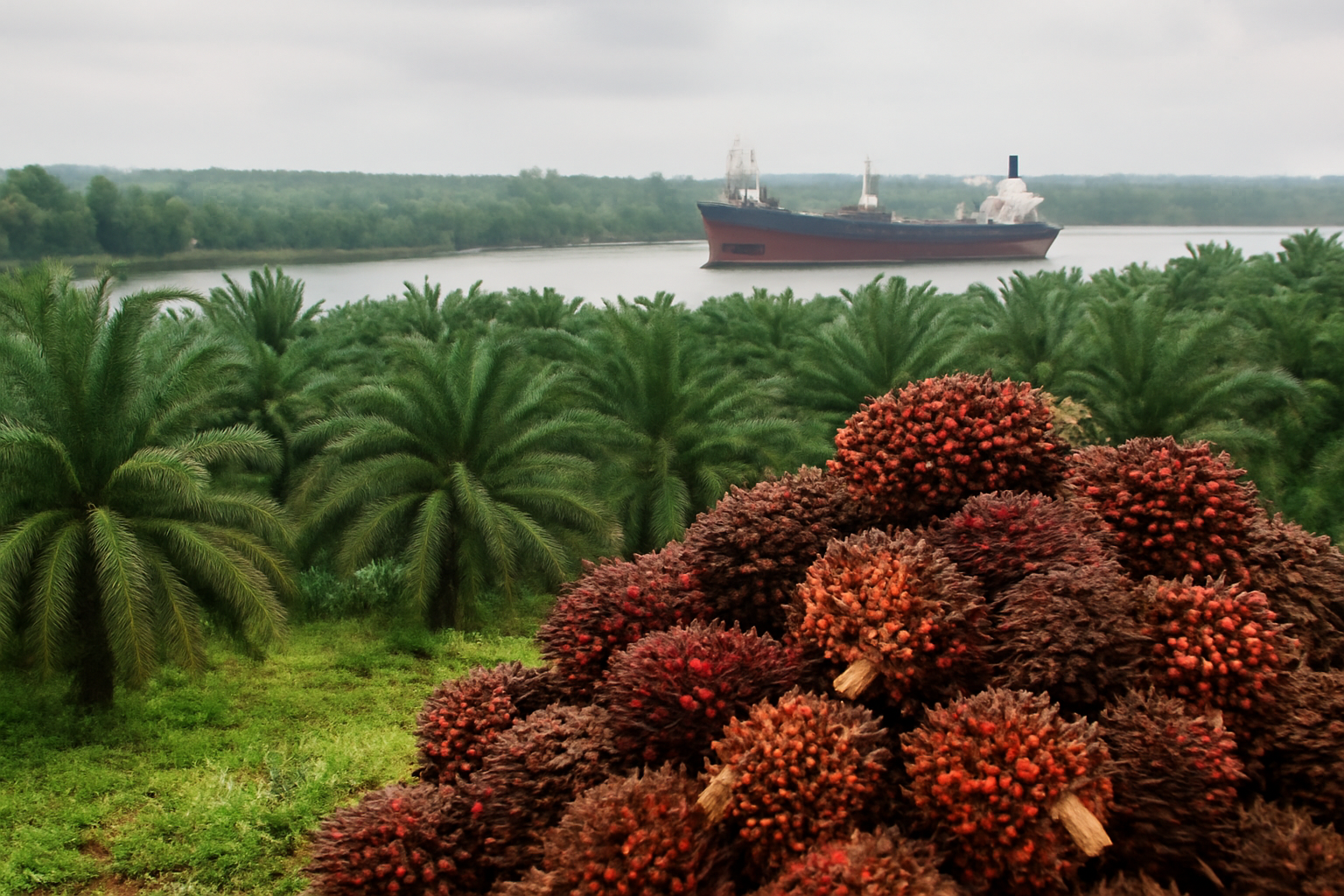
Palm oil holds a central place in Indian consumption
Palm oil represents more than 38% of India’s total edible-oil consumption, or roughly 9 million tonnes, according to NewsBytes Hindi. That volume makes it a core part of the country’s food-oil supply rather than a marginal or easily replaceable commodity.
The share also shows the concentration within India’s edible-oil balance. More than one-third of consumption depends on palm oil alone. Any disruption affecting its availability would therefore reach a substantial part of the market, with consequences for buyers seeking alternative oils and for businesses managing food-production costs.
Affordability and food security are connected
NewsBytes Hindi links palm oil’s role to the availability of affordable food. Its importance is consequently measured not only in tonnes but also in how widely changes in supply can affect household and commercial purchasing decisions. When one oil represents more than 38% of consumption, replacing even part of that volume would require significant additional supplies from other edible-oil categories.
This creates a food-security issue based on concentration. A market reliant on roughly 9 million tonnes of one oil has less room to absorb supply interruptions without adjustments elsewhere. Processors, distributors and food businesses would have to compete for substitute oils, while consumers could face changes in product formulation, availability or cost. The source material does not provide current prices or quantify potential losses, so the scale of any price effect cannot be established.
Self-sufficiency plans face a large benchmark
India’s broader plan for self-sufficiency in edible oils is also tied to palm oil, NewsBytes Hindi reports. The consumption figure sets the size of the challenge: domestic initiatives must be assessed against a market in which palm oil already supplies roughly 9 million tonnes and more than 38% of total demand. Incremental production gains would need to be substantial before they materially reduced reliance on external supply.
For producers, the large established market indicates a clear demand base. For processors and traders, however, concentration raises procurement risk because a disruption in the dominant oil cannot be offset quickly without securing large volumes elsewhere. Importers must balance continuity of supply with exposure to a single commodity, while policymakers must reconcile affordability with the long time and investment required to expand domestic output.
A strategic dependency for the entire oil market
Palm oil’s position affects more than its own supply chain. At over 38% of consumption, it influences the volumes that India needs from the rest of the edible-oil complex. If palm oil becomes less available, demand pressure can move into substitute oils; if supplies remain stable, it supports the availability of lower-cost food highlighted by NewsBytes Hindi.
The roughly 9 million-tonne figure is therefore the key benchmark for industry planning. It defines both the value of secure palm-oil supplies and the scale that domestic production would have to reach to change the market balance. Until alternative or domestic volumes can cover a meaningful part of that requirement, India’s edible-oil security will remain closely connected to palm oil.