India’s edible oil imports fall 30% in June as palm oil hits 14-month low
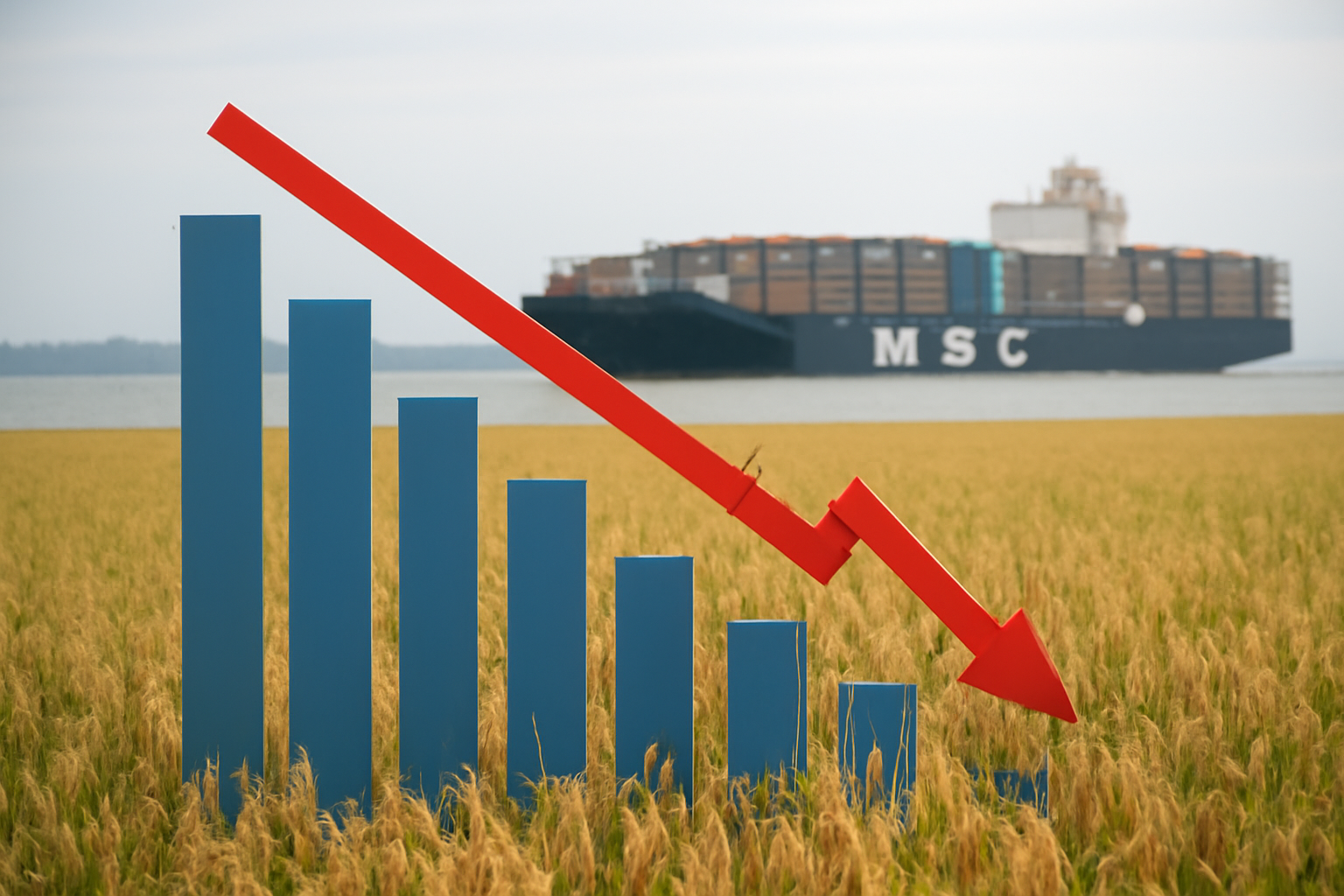
India’s edible oil imports fell 30% year on year in June 2026 as purchases of palm oil and soybean oil declined amid higher global prices. Palm oil arrivals dropped about 11% from May to 487,846 metric tons, their lowest level since April 2025.
Higher prices curb purchases
India’s edible oil imports fell 30% year on year in June 2026 as the country reduced purchases of palm oil and soybean oil amid higher global prices, BusinessWorld reported. The contraction represents a significant change in vegetable oil trade flows because India is the world’s largest edible oil importer.
The decline shows how quickly price movements can affect demand in a major destination market. When international prices rise, Indian buyers can reduce or postpone purchases, lowering near-term import requirements. For exporters, that translates into weaker shipment demand from a market that normally absorbs substantial volumes of vegetable oil.
The available figures do not provide India’s total edible oil import volume for June or separate the full contribution of soybean oil to the annual decline. They nevertheless indicate that reduced purchases were broad enough to push total arrivals sharply below their level in June 2025.
Palm oil arrivals reach 487,846 metric tons
India imported 487,846 metric tons of palm oil in June, according to Kontan. That was about 11% less than in May and the lowest monthly volume since April 2025, marking a 14-month low.
The monthly and annual comparisons point in the same direction. Palm oil purchases weakened from May, while the broader edible oil category recorded a much steeper decline from a year earlier. Together with lower soybean oil buying, the palm oil drop reduced the volume moving into the Indian market during June.
For palm oil exporters, the fall to 487,846 metric tons means fewer cargoes were required by India in the month. The impact on individual suppliers cannot be determined from the reported figures because no country-level breakdown was provided. Still, a reduction by the largest importing market can affect shipment schedules, inventory placement and competition among sellers seeking alternative buyers.
Trade implications for buyers and exporters
Higher global prices were identified as the reason for weaker palm oil and soybean oil purchases. That makes price direction the central variable for the next phase of Indian demand. If prices remain elevated, importers may continue to limit purchases or buy closer to immediate requirements. If prices ease, the low June intake could create room for renewed buying, depending on domestic needs and available stocks.
The June figures also matter to competing vegetable oils. Lower purchases of both palm oil and soybean oil suggest that the decline was not simply a shift from one imported oil to another. For traders, the key question is whether India’s reduced demand persists across the edible oil complex or whether relative prices begin to favor one product.
Market participants will need subsequent monthly data to determine whether June was a temporary response to high prices or the beginning of a longer period of restrained imports. For now, the 30% annual fall in total edible oil purchases and the 14-month low in palm oil arrivals show that higher prices have already produced a measurable contraction in one of the global vegetable oil market’s most important destinations.