India Diversifies Crude Supply Toward Venezuela as Hormuz Disruption Hits Middle East Routes
India has increased the diversification of its crude oil purchases amid conflict in West Asia and the closure of the Strait of Hormuz. Amar Ujala and News18 Hindi report that August data show India buying Venezuelan oil, although the supplied material does not specify volumes or prices.
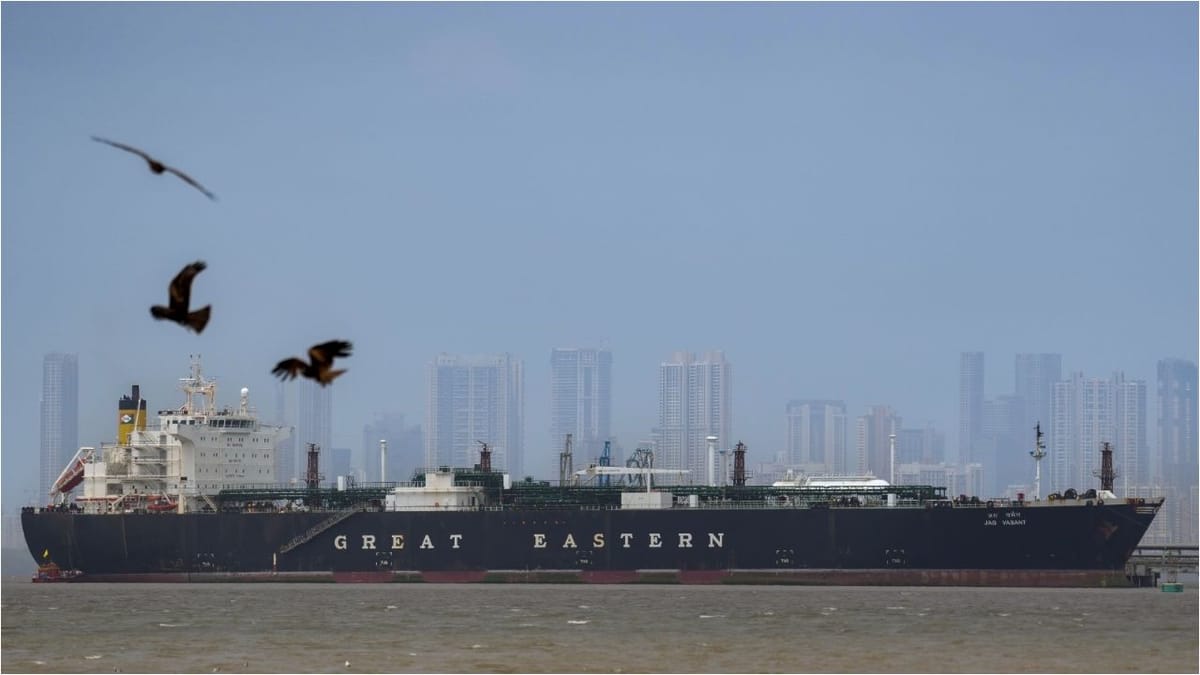
India widens its crude sourcing
India has moved to diversify its crude oil supply as conflict in West Asia and the closure of the Strait of Hormuz disrupt established Middle Eastern routes. Amar Ujala reports that India expanded its supply options and turned to Venezuelan crude, with the shift visible in August data. News18 Hindi also describes the purchases as part of India’s response to the continuing conflict between the United States and Iran and the closure of Hormuz.
The source material does not provide the volume of Venezuelan crude purchased, its price, the identity of the buyers or the delivery schedule. It therefore does not establish whether the August movement represents a sustained change in India’s crude slate or a short-term response to interrupted routes. Even so, the reported purchases point to a broader procurement strategy: reducing dependence on any single supply corridor when access to Middle Eastern barrels becomes uncertain.
Freight becomes part of the crude calculation
For Indian refiners, a Venezuelan barrel cannot be assessed solely against the headline crude price. The commercial calculation also depends on the cost and availability of shipping, voyage duration, insurance and the terms offered by sellers. A longer or more complicated route can erode the advantage of a discounted cargo, while disruption around Hormuz can raise the relative value of oil that does not need to pass through the strait.
The August purchases therefore matter less as an isolated trade flow than as evidence that refiners are testing alternatives. Buyers must compare the delivered cost of Venezuelan crude with disrupted or risk-exposed Middle Eastern supply. Traders, meanwhile, need to account for changes in vessel positioning and the possibility that route risk will affect freight differently across origins.
Sanctions exposure remains a constraint
Venezuelan oil also introduces compliance questions. The supplied reports identify Venezuela as the new source but do not describe the contractual structure, payment arrangements or sanctions permissions attached to the cargoes. Without those details, the legal and financial exposure of individual transactions cannot be assessed from the available material.
That uncertainty affects more than the buyer and seller. Banks, insurers, shipowners and other service providers may all require clarity before participating in a shipment. A cargo that appears attractive on a refinery margin calculation can become less competitive if compliance limits the pool of vessels, financial counterparties or insurance providers available to handle it.
Refinery economics will determine whether purchases continue
The durability of the shift will depend on refinery economics and operational suitability. The source material does not identify which Indian plants received the oil or how the crude was processed. It also provides no comparison between Venezuelan grades and the Middle Eastern barrels they may replace. Those omissions prevent a firm assessment of processing costs, product yields or refinery margins.
India’s reported August buying nevertheless shows that supply security is influencing procurement decisions alongside price. Producers in Venezuela may gain an additional outlet, while Indian refiners obtain another option outside the affected corridor. Whether this becomes a regular flow will depend on delivered economics, sanctions compliance and the duration of the Hormuz disruption. Until volumes and contract terms are disclosed, the development is best viewed as a diversification move rather than evidence of a permanent redirection of India’s crude imports.