India's crude sourcing shifts in August: Russia's share falls, Middle East supply rises
Russia's share of India's crude oil imports declined in August while volumes from Middle East producers increased. Tightening sanctions pressure on Russian barrels and the shipping, insurance and payment chains around them is cited as the main reason. India is the world's third-largest crude importer, so the change registers across global oil trade flows.
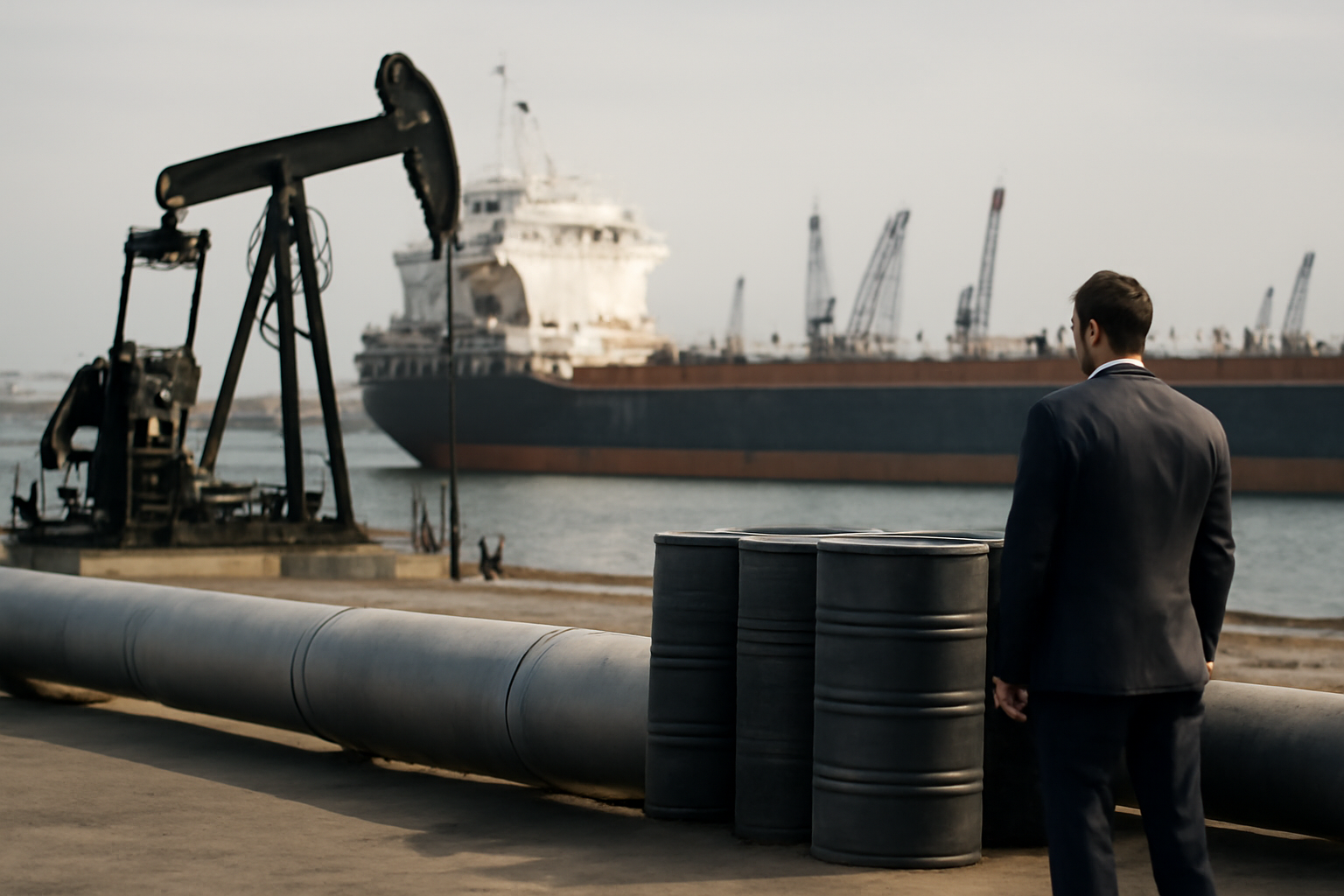
India's crude oil import mix changed direction in August. Russia's share of the country's total crude purchases declined, while supply from Middle East producers increased. India is the world's third-largest crude oil importer, which makes even a partial change in its sourcing pattern visible across global trade flows.
What changed in August
Reporting on August supply points to a lower Russian share of Indian crude imports compared with preceding months, with Middle East grades taking up the difference. The shift covers the country's refining system as a whole rather than a single buyer, and it touches both state-run and private refiners that built up Russian volumes over the past few years. Procurement decisions are taken cargo by cargo, so a share move of this kind is the sum of dozens of separate purchases over several weeks.
One month does not settle a trend. Indian refiners buy on a mix of long-term contracts and spot cargoes, and the balance between the two moves with relative economics. What makes August notable is the direction: after a long stretch in which Russian barrels displaced competing grades in India, the flow turned the other way.
Sanctions pressure is the stated driver
The main reason cited for the reversal is tightening sanctions pressure on Russian crude and on the logistics built around it. Sanctions do not have to block a barrel physically to change where it goes; they raise the cost and complexity of every step between loading and payment.
- Vessel screening and ownership checks narrow the pool of tankers refiners are willing to accept.
- Insurance and certification requirements add cost and delay to each voyage.
- Payment and banking channels clear more slowly and at higher cost.
- Buyers of refined products made from sanctioned crude run their own checks on cargo origin.
Each of these factors erodes the landed advantage of a discounted barrel. Once the discount no longer covers the compliance and freight burden, a refiner's procurement desk moves to grades that clear without friction.
Middle East producers regain ground
Middle East suppliers are the immediate beneficiaries. Gulf crude reaches Indian ports on short voyages, moves largely under term contracts, and carries none of the counterparty risk attached to sanctioned flows. For producers that lost market share in India when discounted Russian cargoes arrived, a recovery in Indian demand is commercially significant: India remains a growth market for crude at a time when refining demand in most other large importing countries is flat or falling.
The trade-off for Indian refiners is margin. Term barrels from the Gulf are priced against official selling prices set by producers, leaving less room to capture the spread that discounted crude offered. That pressure shows up in refining economics rather than in headline import volumes.
What to watch next
The open questions are whether the August pattern extends into subsequent months, how far Middle East producers adjust pricing to hold recovered share, and where displaced Russian volumes find buyers. India's position as the third-largest importer means its procurement choices set a reference point for competing sellers across the Gulf, West Africa and the Americas. Freight rates on the relevant routes, the availability of compliant tonnage, and any further designations of shipping companies will determine how durable the shift proves.