India Leads in Cotton but Trails Bangladesh and Vietnam in Garment Exports
India is the world’s largest cotton producer, yet Bangladesh and Vietnam are well ahead in garment exports. The gap highlights the limits of relying on raw-material strength when competitiveness in synthetic fibers and finished clothing remains weaker.
Raw-material leadership has not secured the export market
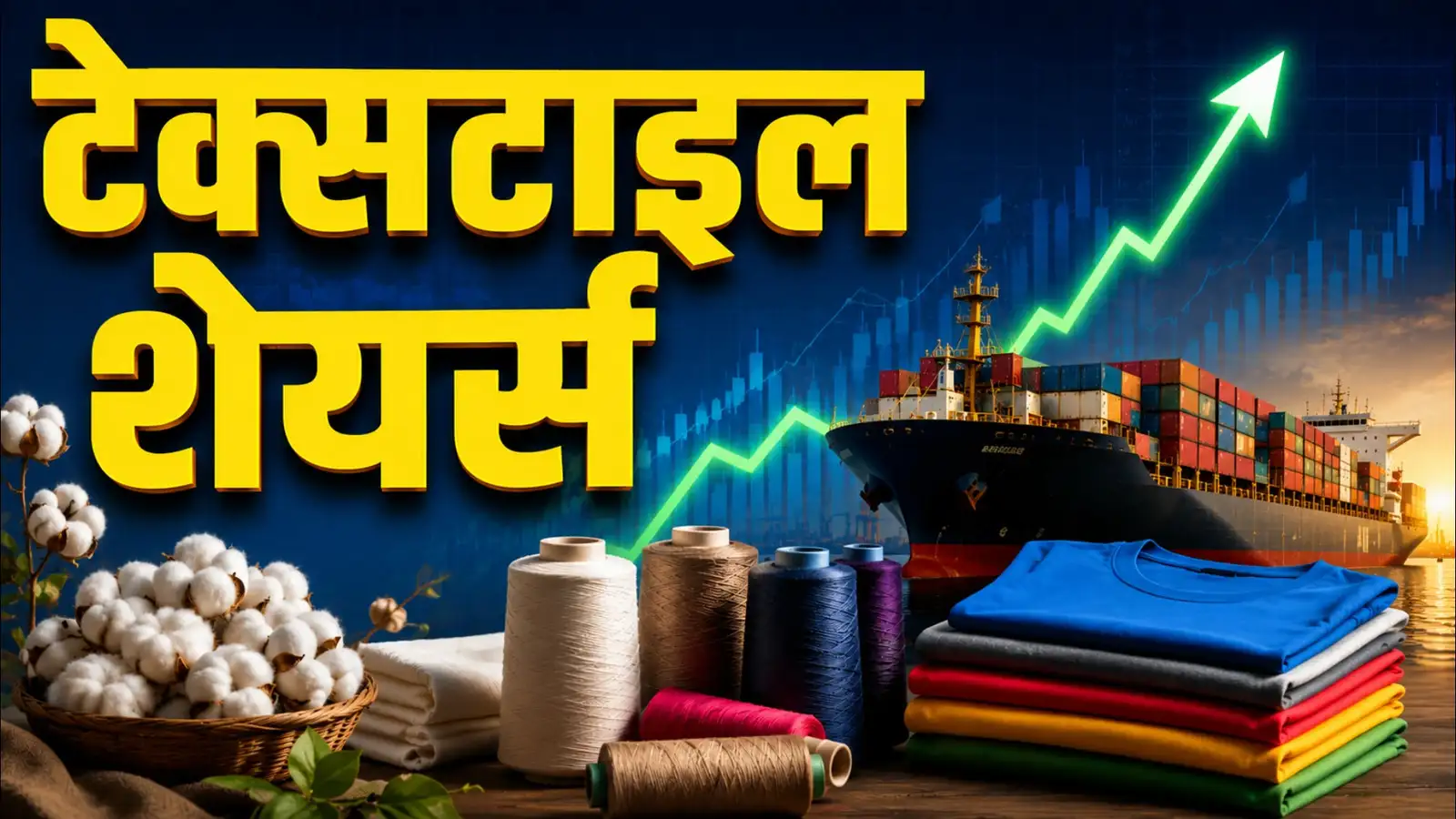
India is the world’s largest cotton producer, but that position has not translated into leadership in garment exports. Bangladesh and Vietnam have moved well ahead of India in sales of finished clothing to international markets, according to The Economic Times’ Hindi edition. The contrast is particularly visible in products such as T-shirts: India supplies the agricultural raw material, while competing manufacturing centers capture more of the business associated with converting fiber into export-ready apparel.
The divergence matters because cotton production and garment manufacturing reward different capabilities. Growing cotton gives India access to a major domestic input, but exporters must also spin fiber, produce fabric, dye and finish material, assemble garments and deliver consistent orders to overseas buyers. A country can therefore hold a strong position in the crop without achieving the same position in the final product.
Cotton dependence narrows India’s offer
The Economic Times identifies India’s dependence on cotton and its weakness in synthetic fibers as factors behind the export gap. This limits the range of materials available to garment manufacturers serving international customers. Cotton remains central to India’s textile base, but the global clothing business also requires factories to work efficiently with synthetic fibers and different fabric combinations.
For Indian producers, the issue is not simply whether cotton is available. The commercial question is how much of that fiber can be processed into competitively priced garments that meet buyers’ requirements. If more value is captured during manufacturing, cotton can support domestic spinning, fabric and clothing businesses. If conversion into finished apparel is less competitive, the raw-material advantage does not guarantee that orders will remain in India.
Bangladesh and Vietnam demonstrate that success in garment exports does not depend solely on being the leading producer of the underlying natural fiber. Their stronger export positions indicate that international buyers assess the complete manufacturing proposition. Access to material is one part of that proposition; the capacity to make and supply the requested garment is another.
What could alter the balance
A shift in the trade balance would require India to turn more of its cotton advantage into finished-product competitiveness while strengthening the synthetic-fiber side of the industry. These are connected priorities. A broader material base would allow manufacturers to pursue more product categories, while stronger garment production would retain more processing activity after the cotton harvest.
The implications extend across the textile chain. Cotton growers need a healthy processing sector capable of sustaining demand. Spinners and fabric producers need garment factories that can convert their output into export orders. Clothing manufacturers, meanwhile, need reliable access to the fibers and fabrics requested by buyers rather than depending too heavily on a single raw material.
For investors and exporters, the central measure of progress will be whether India can capture a larger share of the value created between the cotton field and the finished T-shirt. The country already possesses the agricultural base. Closing the garment-export gap with Bangladesh and Vietnam depends on improving the parts of the chain where raw fiber becomes a marketable consumer product.