India considers ethanol cooking fuel policy as alternative to LPG
India is developing a possible policy framework to promote ethanol as a household cooking fuel alongside LPG. The plan could include subsidies, ethanol dispensers at fuel stations and support for specialized stoves.
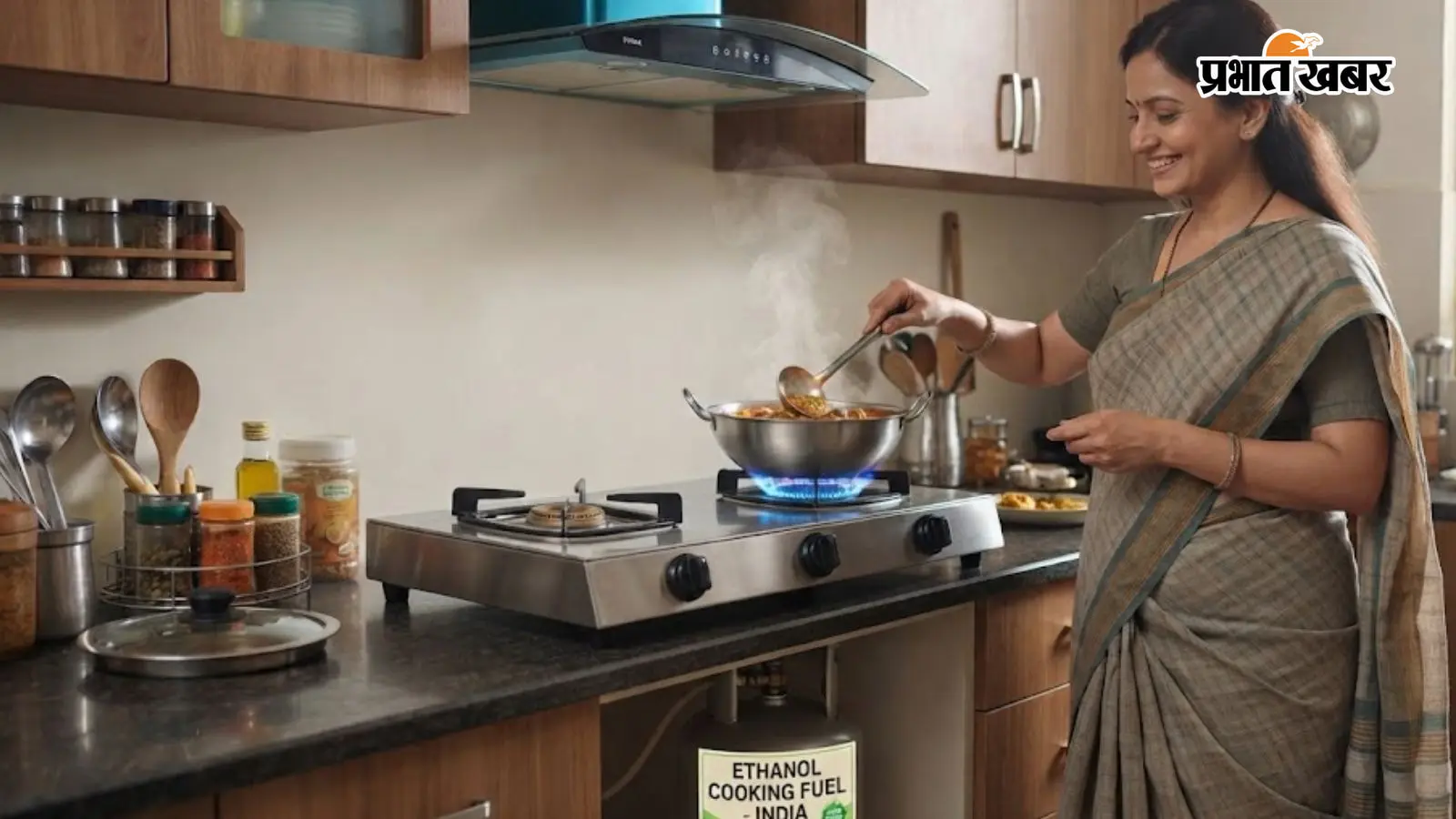
Policy could be ready by September
India is considering promoting ethanol as a household cooking fuel alongside liquefied petroleum gas, extending the biofuel's role beyond petrol blending. Prabhat Khabar, citing a report by The Economic Times and industry officials familiar with the discussions, said the government is working on a policy framework that could be ready by September.
The initiative is intended to use India's surplus ethanol production capacity while reducing dependence on LPG. The proposed framework may address subsidies and the creation of a dedicated supply chain, although the government has not announced final policy terms. Ethanol is produced through the fermentation of feedstocks including sugar and grain.
Capacity is moving ahead of blending demand
India's ethanol production capacity has exceeded 20 billion litres a year, according to a CareEdge Ratings report released in May and cited by Prabhat Khabar. Around 4 billion litres of additional annual capacity is expected to begin operating during the current financial year.
That expansion is encouraging policymakers and industry participants to identify uses beyond blending ethanol into petrol. Household cooking could create another demand channel for distilleries and their agricultural suppliers, but its commercial viability will depend on fuel pricing, stove costs, safety standards and reliable last-mile distribution.
Subsidies, stoves and ethanol dispensers
The government may consider a subsidy programme for ethanol cooking, according to the report. Ethanol-powered stoves have already been tested at the government's request, while oil companies are working on new stove technology. Authorities and companies are also exploring cooperation with, or acquisition of, existing cooking technologies that can use available ethanol.
If the programme proceeds, oil companies could be asked to install ethanol dispensing machines, described in the report as ethanol ATMs, at their fuel retail outlets. Households would use the machines to fill small canisters for ethanol stoves. Locating the dispensers at petrol stations would allow the industry to use an established retail network, although a separate system would still be required for suitable containers, consumer handling and stove servicing.
Export options remain under consideration
India may also consider exporting surplus ethanol to nearby markets. Nepal and Bangladesh, as well as Indonesia, have set targets for 10% ethanol blending but lack sufficient feedstock and domestic production capacity, Prabhat Khabar reported. Those markets could offer another outlet if India's capacity grows faster than domestic demand.
The cooking-fuel proposal remains under development rather than an approved nationwide programme. Its effect on LPG consumption, ethanol prices and feedstock demand will depend on the eventual subsidy design and the pace at which compatible stoves and distribution infrastructure become available. For producers, the central issue is whether household use can provide stable demand beyond the petrol-blending market without making ethanol unaffordable for consumers.