Coal stocks fall below critical threshold at 80 Indian thermal power plants
Coal inventories at 80 of India’s 190 thermal power plants were below 25% of required levels on September 24. Stocks provided only seven days of cover as record September electricity demand and weaker hydropower increased reliance on coal-fired generation.
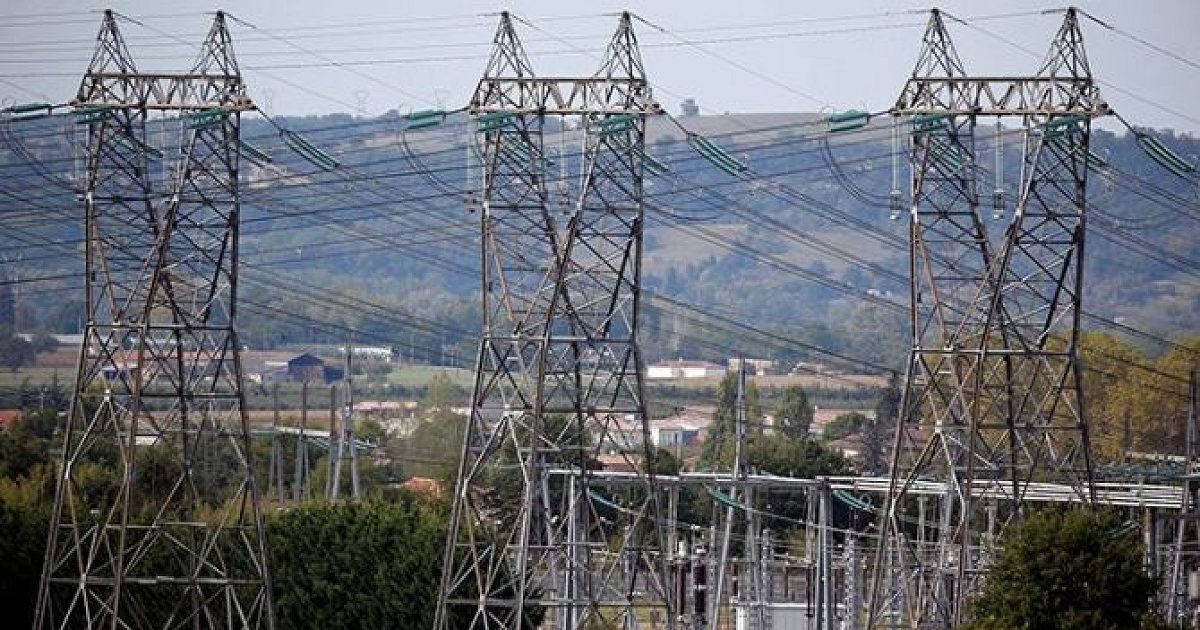
Inventories cover only seven days
Coal inventories at 80 of India’s 190 thermal power plants were at critical levels on September 24, raising concern over electricity supply as unusually strong demand increases pressure on the generation fleet. Rediff reported that nearly half of the plants held less than 25% of their required coal stocks.
Actual coal inventories stood at 22.3 million tonnes on September 24. The number of plants classified as critical improved to 77 by September 26, but total stocks fell further to 21.98 million tonnes. That was 24% below the 29 million tonnes recorded on August 31.
Across the system, inventories represented only seven days of consumption and 37% of the required level. September’s prescribed stock is 12 days for pithead plants and 20 days for plants located away from mines. These requirements rise after the monsoon, reaching 17 days and 26 days respectively in February and March.
Demand and weaker hydropower lift coal burn
India’s peak electricity demand reached 269 gigawatts on September 10, the highest level recorded for the month and just below the annual peak of 270 gigawatts registered in May. Night-time power shortfalls exceeded 7 gigawatts during September, according to power ministry data cited by Rediff.
Hydropower output fell 12% year on year during the first three weeks of September as the El Niño-linked weak monsoon reduced generation. Coal-fired output consequently rose 18% during the month and was up 11% in the financial year 2026-27 to date. The combination of high electricity consumption and lower hydroelectric supply accelerated the drawdown of coal inventories.
The current stock position is tight but not unprecedented. Inventories fell to about 7.5 days of cover in October 2023 and to roughly four days in September 2021, when supply-chain disruptions produced a more severe shortage.
Government mobilises captive plants
The central government has accelerated coal deliveries to plants facing shortages and invoked Section 11 of the Electricity Act. Directions issued to about 112 captive coal-fired plants require them to operate at maximum available capacity from October 1 through December 31. Plants of 50 megawatts and above must offer surplus generation through power exchanges after meeting their own captive demand.
The government is also discussing a requirement for thermal power plants to use imported coal. Such a measure would create additional demand for seaborne supplies and expose generators more directly to international coal prices and freight costs.
Anujesh Dwivedi, a partner at Deloitte India, told Rediff that India does not face a structural shortage of coal for thermal generation. He described the rise in critically stocked plants as a temporary logistics and inventory problem. The immediate risk therefore depends on whether domestic coal transportation can rebuild stocks while demand remains elevated and the higher post-monsoon inventory requirements approach.