India Approves New Cold-Treatment Options for South African Citrus
India has approved additional cold-treatment protocols for fresh citrus from South Africa after nearly a decade of negotiations. The measures should give exporters greater logistical flexibility, although tariffs of about 25% to 30% remain a commercial disadvantage.
India widens approved treatment options
South African citrus exporters have secured improved access to India after Indian authorities approved additional cold-treatment options for fresh fruit. The decision follows nearly a decade of negotiations over the technical conditions governing shipments to the Indian market, Xinhua reported, citing the South African Government News Agency.
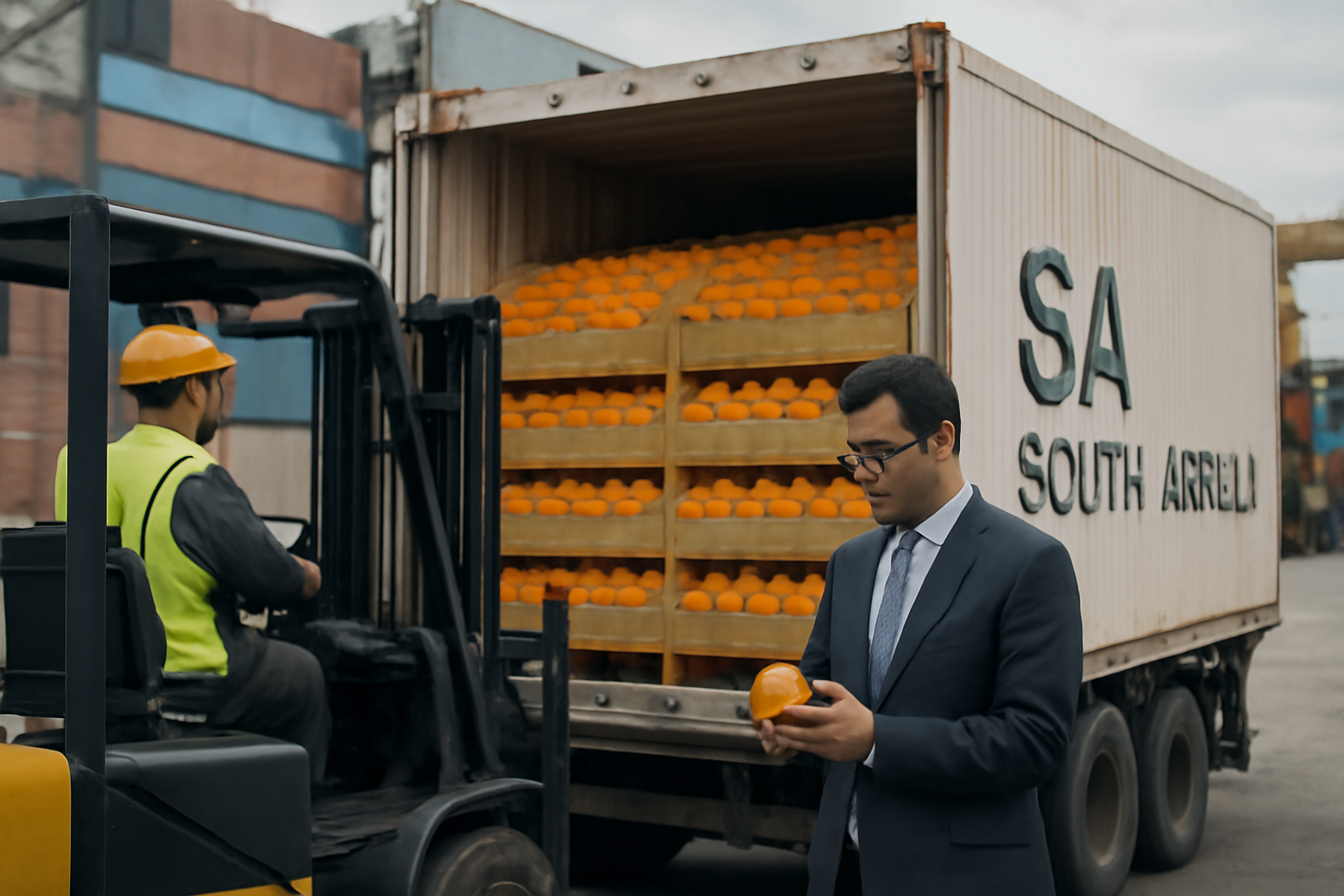
The Citrus Growers' Association of Southern Africa and South Africa's Department of Agriculture said the protocols cover cold treatments targeting fruit flies. The additional options are expected to give exporters more flexibility in arranging treatment, transport and delivery while helping preserve fruit quality during the journey.
The change addresses a technical market-access constraint rather than the broader commercial terms of trade. Exporters will have more ways to comply with India's phytosanitary requirements, but they will still need to manage freight schedules, treatment periods and the condition of fresh citrus over a long-distance supply chain.
Tariffs remain a competitive obstacle
CGA Chief Executive Officer Boitshoko Ntshabele said attention should now turn to commercial conditions. Tariffs of about 25% to 30% continue to place South African citrus at a disadvantage against suppliers benefiting from preferential tariff arrangements, he said.
That cost gap could limit how quickly the technical agreement translates into larger sales. Importers must balance the quality and seasonal availability of South African fruit against the landed price, while exporters need sufficient margins to absorb treatment, freight and tariff costs. The new protocols improve operational choice, but they do not remove the price advantage enjoyed by preferential suppliers.
South African Agriculture Minister Willie Aucamp said India, with a population of about 1.47 billion, offers substantial potential for the country's citrus industry. South African shipments can complement India's seasonal supply, creating an opening when domestic availability is lower or when importers need additional varieties and volumes.
South Africa seeks broader market diversification
The agreement forms part of the industry's effort to expand sales in markets including India and China and reduce reliance on Europe. Diversification has become increasingly relevant as South Africa's export volumes grow and producers need enough destinations to absorb fruit across the season.
According to South Africa's Department of Agriculture, the country exported 2.9 million tonnes of citrus in 2025. That volume put South Africa ahead of long-standing leader Spain and made it the world's largest citrus exporter, the department said.
The scale of those shipments makes market access, treatment capacity and port logistics central to the industry's performance. Approval of more cold-treatment protocols can help exporters allocate fruit across routes and customers with fewer technical constraints. The commercial impact, however, will depend on whether suppliers can compete after India's tariffs are included.
The breakthrough also reflects cooperation between government and industry. Ntshabele said continued public-private work was important for improving technical market-access conditions. With the phytosanitary framework widened, tariff treatment and the economics of individual consignments will determine how much additional South African citrus reaches Indian buyers.