India’s apple harvest raises pressure on imported fruit as buyers turn local
Rising apple arrivals from Himachal Pradesh and Kashmir are slowing sales of imported fruit in India and making traders more cautious about inventories. Premium imports may recover first, while competitive pricing could give Turkish suppliers an opening during the Northern Hemisphere season.
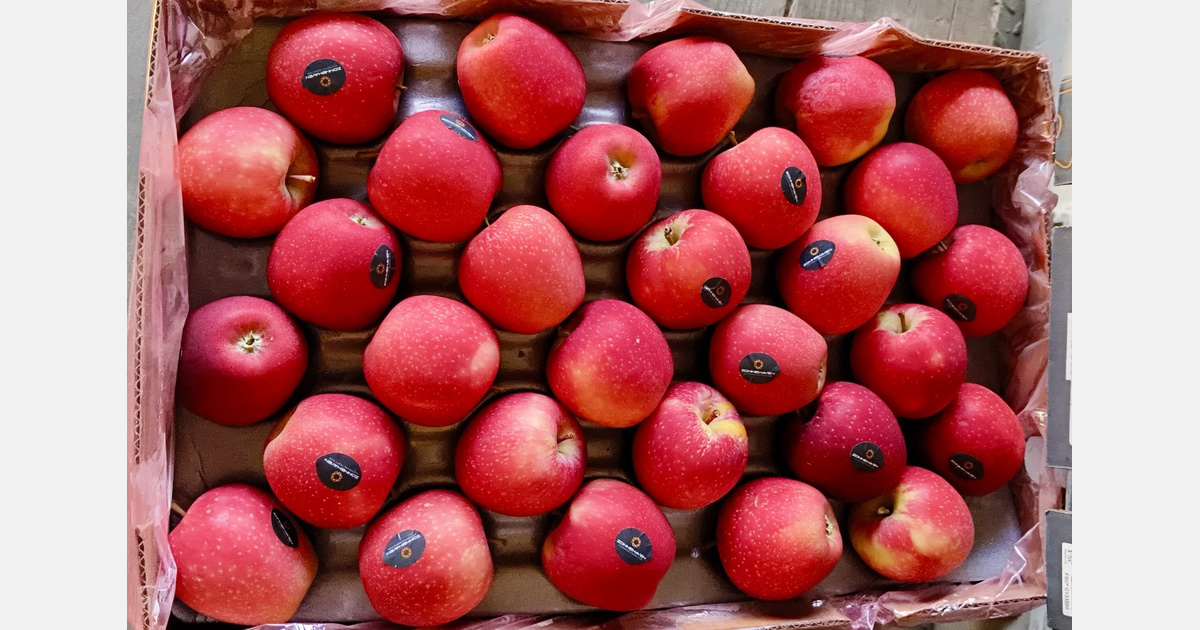
Domestic arrivals reshape purchasing
India’s imported apple market is becoming more competitive as increasing volumes from Himachal Pradesh and Kashmir reach buyers. The domestic harvest is arriving as the market shifts from Southern Hemisphere supplies toward Northern Hemisphere origins, putting foreign fruit under pressure at a sensitive point in the seasonal trading cycle.
Syed Salehus Sabah of Al Fatah Impex told FreshPlaza that buyers, particularly in the mass market, have increasingly preferred local apples as domestic availability has expanded. Sales of imported fruit have consequently slowed, while traders have become more cautious about purchasing expensive inventory that could remain unsold while Indian apples are readily available.
Imported apples currently available in India come from South Africa, New Zealand, the United States, Turkey, Poland and other European countries. Some early-season suppliers are gradually exhausting their stocks as the sourcing window moves north. The transition is widening the choice of origins, but it is also forcing exporters to compete directly with India’s own harvest.
Quality determines pricing power
The domestic market remains difficult to assess because prices vary sharply according to quality. Apples with bright color, suitable sizes and good flavor can still command high prices. Medium- and lower-grade fruit faces substantially greater pressure, particularly where buyers can switch between comparable domestic and imported varieties.
FreshPlaza reported that quotations in Himachal Pradesh fell from about $105.05 to $84.04 per quintal in a single day, illustrating the market’s volatility. Quality is also uneven: some premium orchards are producing very good fruit, but weather and growing conditions have caused differences between production regions. These variations make straightforward price comparisons with the previous season difficult.
Popular varieties such as Gala and Red Delicious are feeling the strongest pressure because Indian buyers have domestic alternatives. Higher-priced apples from New Zealand and other origins are also becoming harder to sell as customers grow more price-sensitive. Imported fruit therefore needs a clear advantage in quality, consistency or variety to justify its premium.
Turkey may gain during the northern season
A larger expected apple harvest in Turkey could create an opportunity for Indian importers. Sabah said Turkish apples are attracting interest because they combine competitive pricing, satisfactory quality and availability. Gala, Red Delicious and Granny Smith could find demand, depending on crop availability, packaging formats and landed prices.
Turkey’s position could become more important as India moves deeper into the Northern Hemisphere supply period. Importers are monitoring the dollar-rupee exchange rate, freight costs, quality on arrival, competition among importers and the pace of domestic arrivals. Each factor can quickly alter margins in a market already highly sensitive to price.
Sabah expects the imported apple market to remain competitive and subdued over the next 4–8 weeks as domestic arrivals continue to shape buying decisions. He does not anticipate an immediate recovery across the entire import segment. Demand for premium imported apples is more likely to strengthen first, especially when the fruit offers clear advantages in quality, uniformity or variety. For Turkish exporters, the coming weeks may be decisive: suppliers able to deliver good Gala and Red Delicious at competitive landed prices could secure a larger role in India’s next market phase.