Indian distillers say maize ethanol is not squeezing animal feed supply
The All India Distillers' Association has rejected claims that maize-based ethanol is tightening supplies for the animal feed sector, saying the industry runs on a multi-feedstock model. Grain feedstock delivered 6.24 billion of the 8.95 billion litres of ethanol supplied by the end of August, with maize alone accounting for 3.45 billion litres.
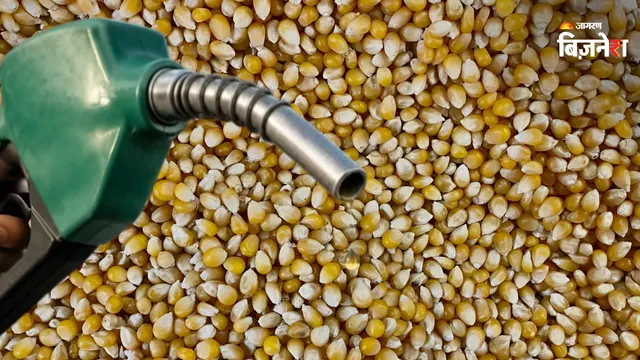
India's ethanol industry has shifted to a multi-feedstock model in which maize, surplus state-held rice and damaged grain together account for about 70% of national ethanol volumes, the All India Distillers' Association (AIDA) said, rejecting claims that distilleries are competing with the animal feed sector for grain.
Distillers reject the feed-competition claim
According to Jagran, AIDA issued the clarification amid rising concern over the volume of maize being consumed by ethanol plants. The association said the ethanol industry is not competing with any particular sector for maize, and that its objectives are better use of agricultural resources, stronger energy security and support for the rural economy.
Bharti Balaji, Deputy Director General of AIDA, said in an email interview that ethanol output no longer depends on a single crop. Alongside maize, distillers are using surplus rice from the Food Corporation of India (FCI), broken and damaged grain, and sugar-based raw materials. Balaji said maize has become an important raw material as India's biofuel ecosystem expands, but noted that maize also serves the food, animal feed and other industrial sectors, so its prices are shaped by production, consumption, stocks, logistics and market demand rather than by one buyer.
Balaji added that higher maize production, stronger supply chains, wider availability of alternative feedstocks and better alignment between farm output and industrial demand should allow the requirements of all sectors to be met in the coming period.
Three grain streams behind 6.24 billion litres
AIDA put the grain-based output by the end of August at three distinct streams:
- about 3.45 billion litres of ethanol from maize;
- about 2.14 billion litres from surplus FCI rice;
- about 640 million litres from broken and damaged grain.
Balaji said the figures show that alternative feedstocks are no longer playing a minor role in ethanol production but have become an important part of the supply chain. Maize remains the largest single grain input, at roughly 55% of grain-based volumes.
Grain ethanol becomes the programme's main pillar
Total ethanol supply in the country reached 895 crore litres — 8.95 billion litres — by the end of August, of which 6.24 billion litres came from grain-based feedstock, or close to 70% of the total, AIDA said. Maize alone therefore supplied about 39% of all ethanol delivered in the period.
That mix marks a structural change in the blending programme, which was built on sugarcane juice, B-heavy molasses and C-heavy molasses. On AIDA's numbers, grain-based ethanol is now the main pillar of the scheme rather than a supplement to cane-derived alcohol, with cane feedstocks supplying the remaining 30%.
Flex-fuel, CBG and SAF flagged as next demand legs
Balaji said the next phase for the ethanol industry will centre on new applications rather than on blending volumes alone. Growth in flex-fuel vehicles could raise demand for higher ethanol blends, while compressed biogas (CBG), sustainable aviation fuel (SAF) and other emerging bioenergy segments are expected to expand ethanol's role further.
For feed manufacturers, starch processors and poultry producers, the significance of the figures lies in the scale of the distillery bid for maize and in how far surplus FCI rice and damaged grain continue to substitute for it. Both of those streams depend on state grain releases rather than on the maize crop itself, leaving the balance between feed demand and fuel demand tied to policy decisions as much as to harvest size.