India sets 2030 oil ambitions as Middle East conflict clouds supply outlook
India is positioning itself for a larger role in global oil markets as conflict in the Middle East raises concern about supply. News18 Hindi reports that Prime Minister Narendra Modi has set out a plan focused on 2030, although the available report does not provide operational or financial details.
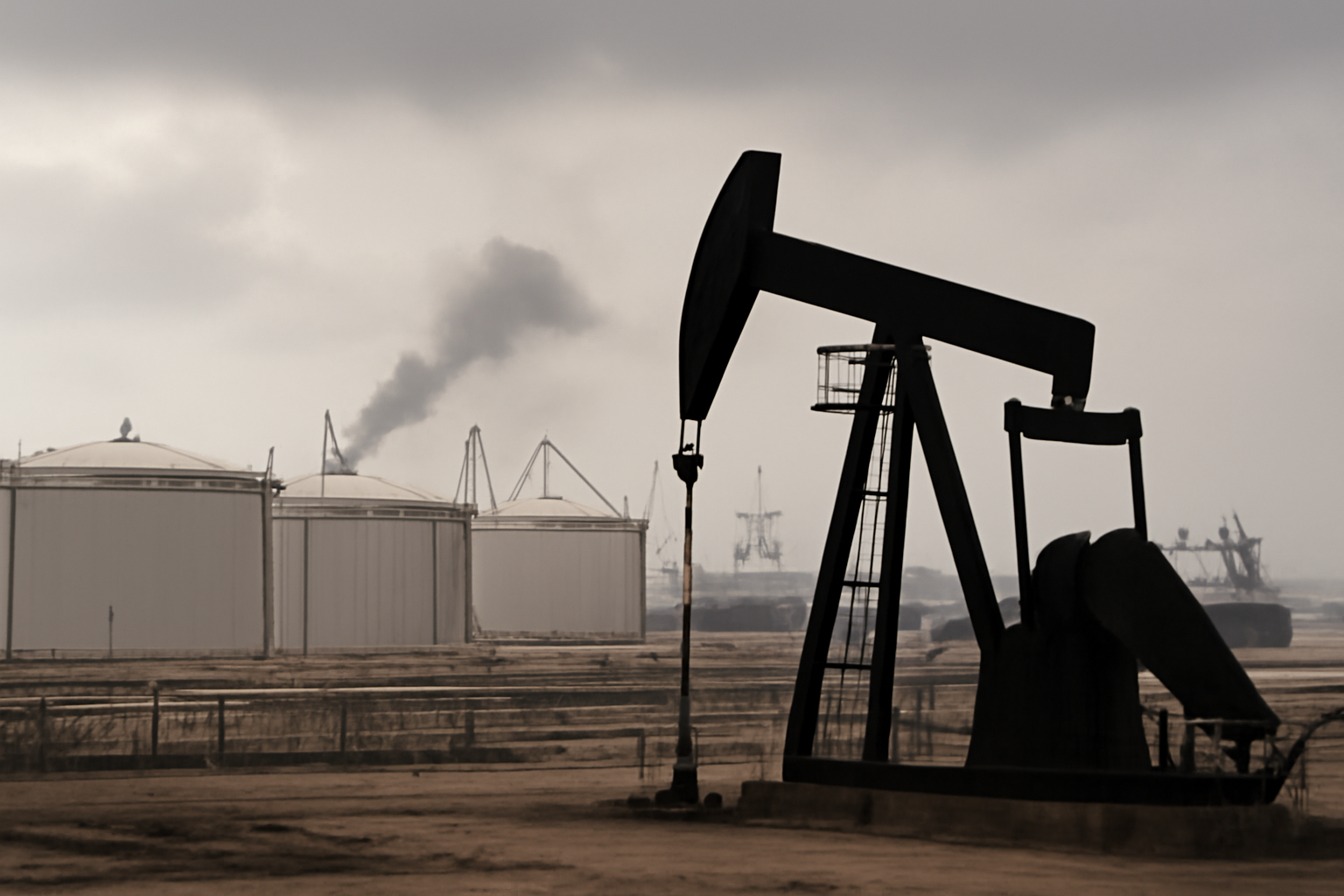
India looks beyond the immediate oil crisis
India is seeking a larger position in the global oil industry as conflict in the Middle East creates uncertainty over crude availability and the direction of international flows. News18 Hindi describes the country as pursuing three strategic moves during the crisis and links them to a plan established by Prime Minister Narendra Modi for 2030. The available report, however, does not identify the three measures or provide targets for production, refining capacity, investment or exports.
The central claim is that India wants to become a more influential oil centre rather than remain only a major consumer. News18 Hindi goes further, describing the country as a new global “oil king” and suggesting that international buyers could increasingly turn to Delhi. Those descriptions signal the scale of the reported ambition, but they are not accompanied by data demonstrating a change in market share or control over crude supply.
Middle East turmoil raises the value of supply security
The timing matters for refiners, traders and industrial consumers. Fighting in West Asia can alter the perceived reliability of established supply routes, even when the available source does not document a specific disruption. For India, a strategy built around 2030 would therefore have to address both access to crude and the ability to process oil for domestic or overseas customers. The source does not state which suppliers, routes or markets form part of the plan.
That lack of detail limits conclusions about the commercial effect. A larger refining and export role would matter differently from an attempt to expand domestic crude production: the first depends on dependable feedstock and competitive processing, while the second concerns upstream availability. News18 Hindi’s description points broadly toward global oil leadership, but the supplied material does not establish which segment India intends to prioritise.
Industry awaits measurable targets
For producers and processors, the next relevant information will be concrete capacity, investment and commissioning plans. Importers and exporters will need clarity on the crude grades and refined products involved, while traders will watch for changes in the countries supplying or buying oil. None of those figures or counterparties is identified in the available text, so it is not yet possible to measure the potential shift in physical trade.
The 2030 horizon nevertheless places the initiative beyond an emergency response to the current conflict. It suggests that the government’s reported objective concerns India’s longer-term place in the oil market. Whether that means greater supply diversification, additional processing capacity, higher product exports or another approach cannot be confirmed from the supplied account.
Ambition still needs evidence
News18 Hindi frames India’s actions as a decisive bid for international leadership during a period of Middle East instability. For market participants, that framing is relevant because a stronger Indian role could affect competition for crude and the availability of refined products. Yet the report as provided contains no volumes, project names, locations, costs, deadlines before 2030 or company commitments. The immediate story is therefore one of strategic intent. Its impact on producers, refiners and traders will depend on the operational measures that follow.