Imports, Costs of up to 60,000 Pesos per Hectare Pressure Jalisco Corn Farmers
Large import volumes and production costs of up to 60,000 pesos per hectare are putting Jalisco’s corn producers under pressure. Local harvests remain in warehouses despite the state’s importance in forage corn and grain production.
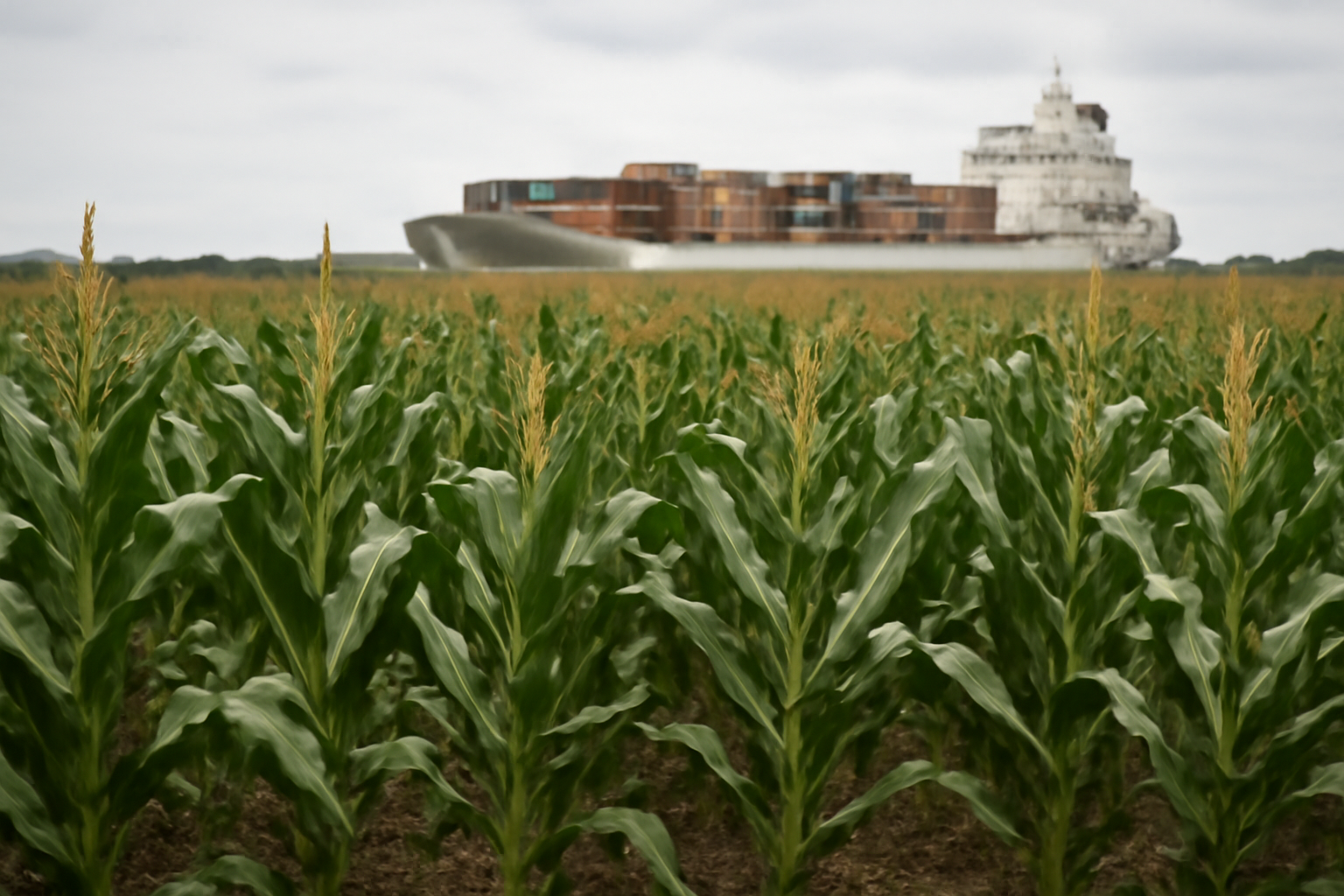
Imports deepen pressure on local corn
Corn producers in Jalisco are facing a combination of large import volumes, high production costs and harvests that remain in storage. The difficulties affect a state described as a major producer of both forage corn and grain, placing pressure on farms as well as the warehouses and commercial channels that handle their output.
The reported import surge increases competition for locally produced corn at a time when growers need to move their harvests. Imported supply can give buyers another source of grain, but local producers bear costs already incurred during the growing season. When domestic crops remain in warehouses, farmers cannot readily convert production into revenue or recover the money committed to the crop.
Costs reach 60,000 pesos per hectare
Production expenses can reach 60,000 pesos per hectare. That figure sets a high threshold for growers seeking to cover their costs through sales, particularly when abundant imported supply limits their bargaining position. The pressure is therefore not confined to the final selling price: it begins with the amount of capital required to plant and manage each hectare.
For producers, unsold inventories tie up both corn and working capital. Storage does not resolve the underlying problem if buyers continue to favor other supplies or delay purchases. The longer crops remain in warehouses, the longer farmers must wait to recover expenses of as much as 60,000 pesos per hectare, weakening their capacity to finance another production cycle.
Forage corn and grain are both exposed
Jalisco’s position in forage corn and grain means the strain reaches more than one segment of the agricultural market. Grain producers depend on commercial demand for their stored crop, while forage corn is connected to buyers requiring feed materials. In both cases, the central issue is whether local production can find a buyer at terms that reflect the cost of cultivation.
Importers and processors may benefit from having several supply options, but persistent difficulty selling the local harvest could change planting decisions. Producers facing high per-hectare costs need confidence that a market will exist after harvest. Without that visibility, maintaining output becomes harder even in an established producing region.
International and domestic pressures converge
The current squeeze is described as the result of international crises combined with imports, although no individual crisis or import volume was specified. The immediate evidence in Jalisco is more concrete: costs of up to 60,000 pesos per hectare and crops stranded in warehouses. For farmers, traders and buyers, the next test is whether those inventories can enter the market before financing needs for the following crop intensify.