Imported car sales jump 33% as South Korean vehicle demand shifts away from domestic brands
Imported car sales in South Korea rose 33% in the first half of the year, led by Tesla, BYD and Polestar, while sales of domestically produced vehicles declined. The widening gap has intensified calls for electric-vehicle incentives tied to local production.
Imported vehicles gain ground
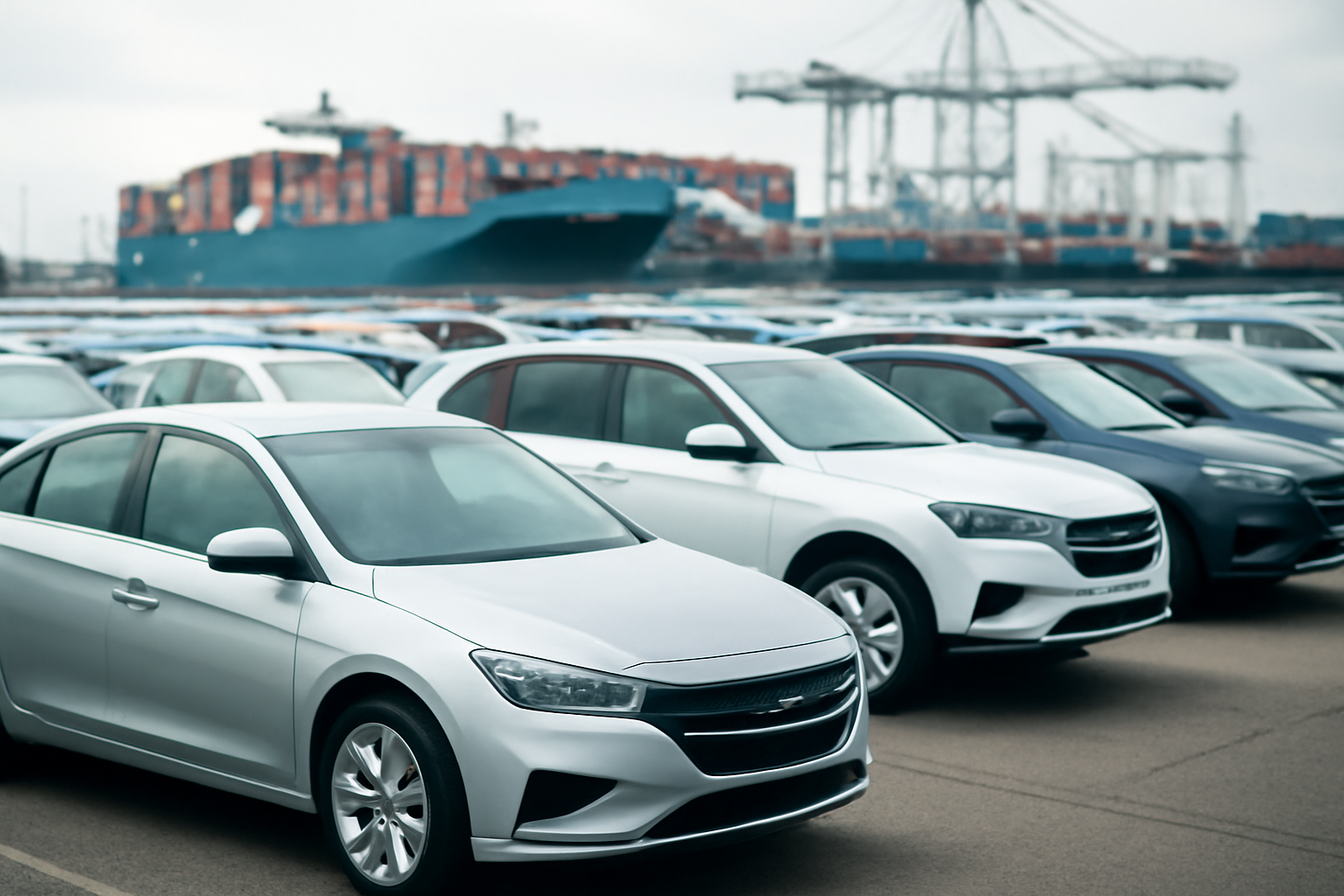
Imported car sales in South Korea increased 33% in the first half of the year, while sales of domestically produced vehicles declined, according to Asia Times. The opposing trends marked a clear shift in the country’s automotive market, with foreign brands taking a larger share of demand as local manufacturers faced weaker sales.
Tesla, BYD and Polestar were among the brands leading the expansion of imported vehicles. Asia Times said the increase was driven particularly by electric vehicles manufactured in China. The figures indicate that import growth is not confined to traditional premium combustion-engine vehicles but is increasingly linked to the transition toward battery-powered cars.
The sales divergence matters for South Korea because the country has an extensive domestic automotive manufacturing base. A sustained increase in imported electric vehicles can intensify competition for local assemblers, battery suppliers, component producers and dealerships. It can also affect decisions about where new electric models and their parts are manufactured.
Domestic electric-vehicle sales retreat
Sales of domestically produced electric vehicles moved backward during the same period, Asia Times reported. That weakness contrasts with the rapid increase in imported cars and suggests that electric-vehicle demand is not benefiting all manufacturers equally.
Price, product availability and consumer choice can shape competition between imported and locally produced models. The source material does not provide a breakdown by company, model or transaction price, but it identifies Chinese-made electric vehicles as a central driver of the import increase. BYD’s presence alongside Tesla and Polestar also broadens the competitive field facing South Korean producers.
For manufacturers, the immediate issue is not only the number of vehicles sold. Lower domestic-brand sales can reduce utilization across assembly plants and supplier networks if the trend persists. Component companies tied to local production are more exposed than businesses that participate mainly in vehicle distribution and retail.
Industry questions the incentive framework
Industry participants cited by Asia Times argue that South Korea’s electric-vehicle policy does not provide sufficient incentives for domestic production. They are calling for measures that protect the country’s EV manufacturing base and wider industrial ecosystem as imports expand.
The distinction between incentives for purchasing an electric vehicle and incentives for producing one domestically is central to the debate. A policy focused primarily on vehicle adoption can support imported and domestically manufactured models alike. Production-linked conditions, by contrast, can influence investment in local assembly, components and related manufacturing capacity.
Any adjustment would have to balance industrial policy with consumer access to competitive vehicles. Importers benefit from wider model availability and rising demand, while domestic producers want policies that recognize their investment in South Korean plants and supply chains. The 33% increase gives the policy discussion greater urgency because imported vehicles are already gaining market share rather than representing a future competitive risk.
Competition extends across the supply chain
The first-half results show that South Korea’s automotive transition is becoming a contest over production location as well as technology. Imported electric vehicles can accelerate consumer adoption, but they do not necessarily generate the same activity for domestic factories and component suppliers.
Producers, importers and investors will now watch whether the government introduces incentives tied more directly to local manufacturing. Without such measures, the present sales pattern could strengthen foreign brands in the retail market while increasing pressure on South Korean assembly and supplier operations.