Illycaffè CEO signals possible coffee price increase from January as arabica stays near 300 cents
Cristina Scocchia, chief executive of illycaffè, told ADNFinance that retail coffee prices in Italy could rise from January, after green coffee costs climbed 80% in five years and arabica reached 300 cents per pound. She also ruled out a stock market listing in 2026 and confirmed that €80 million of a €120 million investment plan in Trieste has been spent.
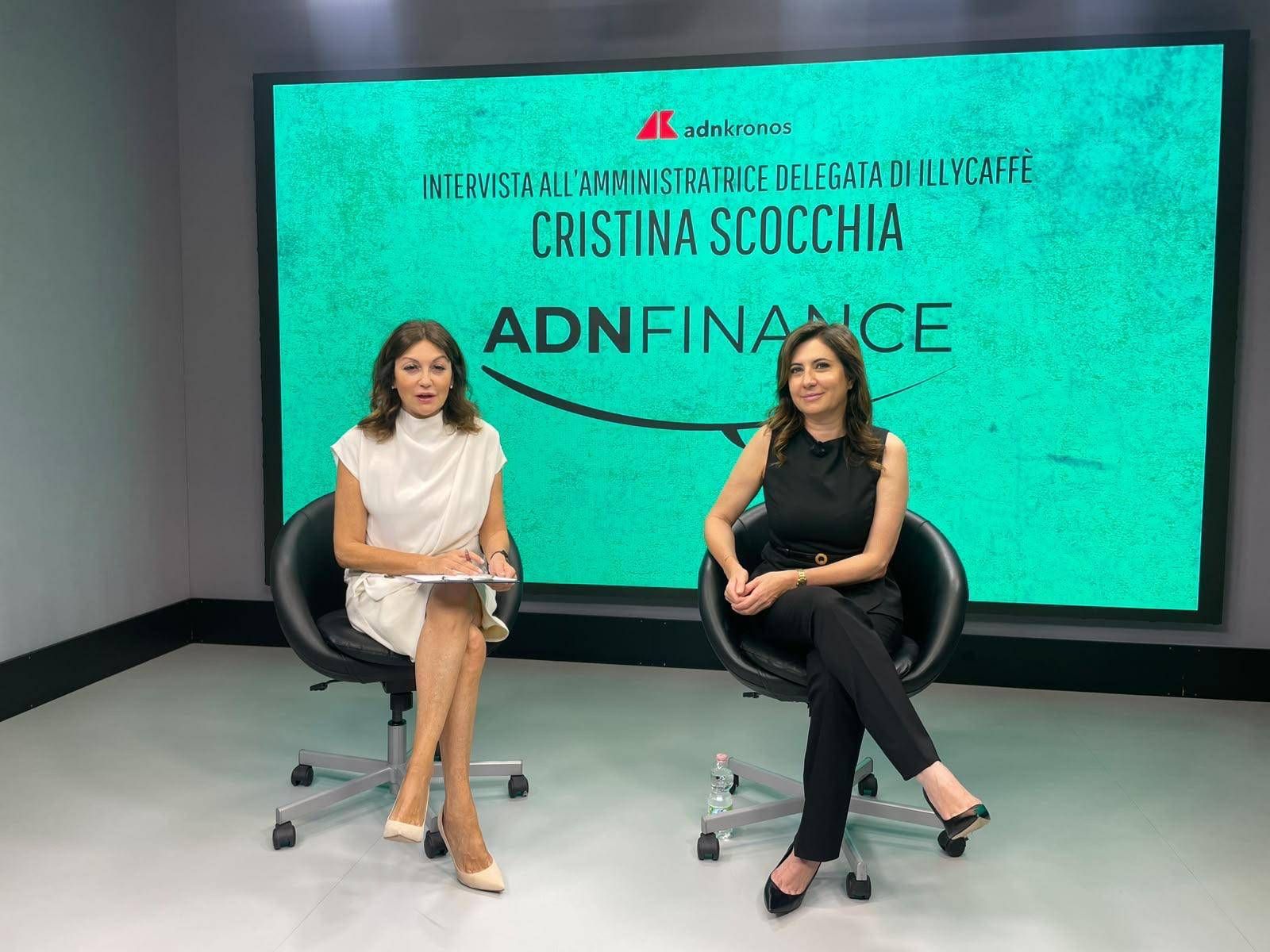
Retail coffee prices in Italy could rise from January, Cristina Scocchia, chief executive of illycaffè, told ADNFinance in an interview in Milan published by Adnkronos. The company does not expect increases before the end of the year, but says there is little room left to absorb higher raw material, energy and logistics costs.
Green coffee up 80% in five years
Over the last five years the cost of green coffee has risen by 80%, Scocchia said. Arabica, the highest-quality variety, went from 170 cents per pound in 2021 to 300 cents per pound in recent weeks. Energy costs climbed over the same period, and logistics became more expensive because of geopolitical tensions around the Strait of Hormuz. According to Scocchia, that combination has made it very difficult for companies to compress margins any further.
illycaffè decided to absorb most of the increase in production costs and to pass only a small percentage downstream, on the grounds that companies should do their part while inflation weighs on household spending. Across the market, prices still moved up. Against the 80% rise in green coffee, the price of a cup at an Italian bar increased 24% over the same five years, to a national average of €1.25. Regional differences are wide: €1.50 in Bolzano, €1.00 in Messina.
“I don't think there will be an increase in the price of a cup between now and the end of the year,” Scocchia said. She added that she fears one from January, because if the price stabilises at around 283 cents per pound, companies will still have to adjust their price lists slightly upwards.
Brazilian weather against a record crop
Two forces are pulling in opposite directions. Weather in Brazil, the largest producer of green coffee, is currently feeding green coffee inflation, and Scocchia said she hopes there will be no increases before Christmas. Working the other way are three factors she cited:
- Fertiliser costs, which spiked when supplies moving through the Strait of Hormuz were disrupted, are returning to pre-conflict levels, which should push green coffee lower.
- Studies point to a record crop this year, one of the largest green coffee harvests of the last four to five years.
- Demand remains contained, with the market estimated to grow between 3% and 5%.
On supply-and-demand mechanics alone, that combination should not produce a further increase, Scocchia said. The caveat is geopolitics. Fertilisers heavily used on plantations pass through Hormuz, and their prices rose sharply when the route was disrupted, dragging green coffee up with them. Logistics costs rose in parallel: containers are held up even on routes that avoid the area, and scarcer containers are more expensive. In such a global market, she said, a problem in one sector spreads to all the others like a domino effect.
China grows fast but stays small
The Chinese coffee market has grown at double-digit rates for several years and is expected to expand by 20% in 2026, against growth of 3% to 5% in mature markets globally. Volumes remain small: average consumption is 24 cups per person per year in China, compared with 600 cups in the United States and 700 in Italy.
For now Europe and the United States matter far more, and not only on volume. Europe is focused on espresso, particularly southern European markets such as Italy and Spain. The United States drinks a large share of ready-to-drink products. Chinese consumers still favour local flavour profiles — jasmine, fruit, instant — formulations further from illycaffè's espresso core.
Trieste capacity and a postponed listing
illycaffè grew 40% between 2022 and 2025, with revenue rising from €500 million to €700 million on spending in marketing, communication, innovation and international expansion. A €120 million investment plan in Trieste is two-thirds complete, with €80 million spent to double production capacity at the site and more than 100 people hired. The company has announced a results bonus of up to €1,800 for all employees, office staff and factory workers alike, and says further investment and hiring will follow.
A stock market listing remains a strategic option but not an imminent one. Scocchia said the company is ready and has the right results, but that a listing also requires a favourable market window shaped by geopolitical and macroeconomic conditions no company controls. “We are ready, the market in 2026 is not,” she said, ruling out an IPO next year. It could be 2027, it could be 2028, it could be never.