Illicit Fuel Trade Undercuts Italy’s Legitimate Distributors
Disguised fuels and false-invoicing schemes continue to distort Italy’s retail fuel market. FIGISC says 30% of sales escape taxation, representing €10-12 billion, while honest operators lose at least €1.4 billion annually.
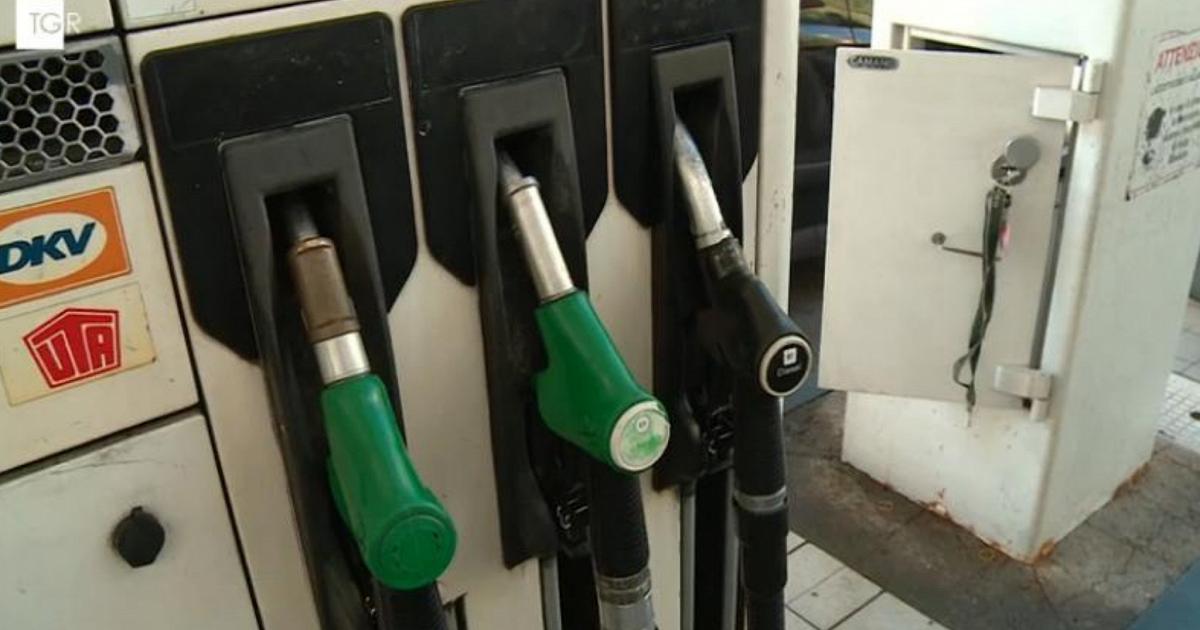
A clandestine market with a long history
Italy’s legitimate fuel distributors face competition from a clandestine supply chain built around disguised petroleum products, smuggling and false invoices. RaiNews reports that the problem has been publicly documented for years but continues to impose costs on the state, filling-station operators and motorists.
In 2019, Trento prosecutor Raimondi wrote that 30% of the fuel entering the Italian market came through clandestine channels. Luca Bearzi, president of FIGISC, the Italian federation representing filling-station operators, says the same share of sales escapes taxation today, with a value of €10-12 billion. The available figures do not distinguish between volumes physically smuggled into Italy and fuel sold through domestic tax-fraud arrangements.
Bearzi says the system is not limited to products arriving illegally from Eastern Europe. It also involves shell companies issuing false invoices. These mechanisms allow fuel to reach retail outlets without bearing the full taxes paid by companies operating through official distribution channels.
Tax evasion destroys price competition
The economics make conventional competition extremely difficult. According to Bearzi, filling-station operators earn a gross margin of approximately €0.04 per litre. A legal distributor working with that margin cannot match a supplier avoiding Italy’s 22% value-added tax, much less one also evading excise duty.
Bearzi estimates that excise duty and VAT together account for as much as 60% of the product’s cost. Avoiding even part of that burden creates a price advantage far larger than the gross margin available to a compliant retailer. FIGISC puts the resulting damage to honest operators at no less than €1.4 billion per year.
The distortion therefore extends beyond lost public revenue. It shifts sales away from licensed businesses, weakens their ability to invest and makes retail prices less reflective of legitimate procurement, logistics and tax costs. For producers, wholesalers and traders using official channels, the presence of untaxed product also reduces transparency over the real size and composition of Italian demand.
Friuli Venezia Giulia remains a gateway
RaiNews identifies Friuli Venezia Giulia, on Italy’s northeastern frontier, as a principal entry point for the traffic. Criminal groups organize the movement of fuel across this border and onward to filling stations. Bearzi describes the organizations as established mafia structures capable of moving tens of thousands of tanker trucks, making the occasional seizure insufficient to disrupt their operations materially.
One method involves declaring diesel as lubricating oil to avoid excise duty. Additives are introduced so that the product can pass an inspection as a lubricant, according to Bearzi. Once the disguised diesel reaches motorists, however, those additives can cause significant vehicle-engine damage.
Enforcement faces scale and complexity
The trade combines cross-border transport, product misclassification, fiscal fraud and corporate structures used to generate false documentation. This complicates enforcement because authorities must follow both the physical movement of tankers and the financial trail behind invoices and tax payments.
Industry representatives have called for action since 2019, but the reported scale of the market indicates that seizures alone have not removed its commercial foundations. Effective enforcement would need to address border movements, product testing, shell companies and the outlets accepting irregular supplies. Until those gaps are narrowed, compliant distributors will continue competing against sellers whose advantage comes not from lower operating costs, but from avoiding taxes that can represent most of the final product cost.