Illegal livestock flows to Uzbekistan push up meat prices in Turkmenistan
Livestock sales through intermediaries to Uzbekistan are reducing fresh meat supplies in Turkmenistan, according to the Chronicle of Turkmenistan. Bone-in beef rose to 135 manats per kilogram in May, while restaurants and processors are increasingly turning to chicken and imported frozen block meat.
Cross-border sales tighten domestic supply
Growing illegal livestock exports from Turkmenistan to neighboring Uzbekistan are contributing to higher meat prices and a shortage of fresh domestic product, according to the Chronicle of Turkmenistan. Market participants told the publication that farmers are selling cattle and small livestock through intermediaries because buyers across the border pay in foreign currency. The movement of animals reduces the volume available to Turkmen slaughterhouses, retailers and food-service operators.
The latest sharp increase in fresh meat prices came in May. Bone-in beef rose from 100–105 manats to 135 manats per kilogram. The report does not provide livestock shipment volumes, the number of animals crossing the border or the exchange rate received by producers. It nevertheless identifies cross-border sales as one of the principal reasons for the contraction in local supply and the resulting increase in prices.
Restaurants pass on higher raw-material costs
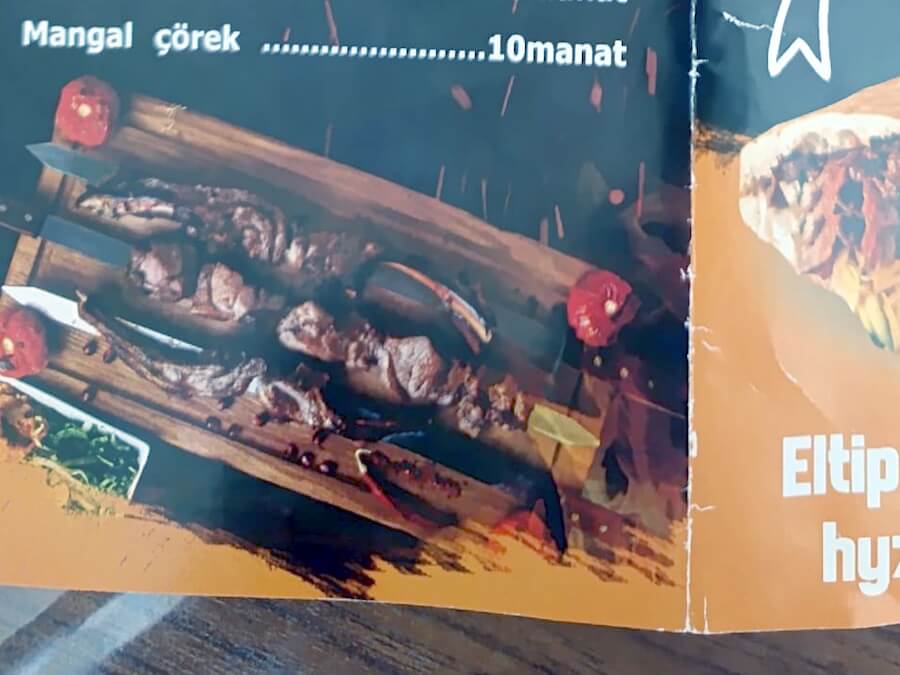
The pressure is visible in Ashgabat's food-service market. At the Euphoria café, a 300–350-gram serving of lamb shashlik costs 120 manats, while the pork version costs 150 manats. A lamb serving at the Yashlyk café costs 105 manats; the establishment does not prepare pork for religious reasons. In the summer of the previous year, a serving of shashlik at both venues cost 50–60 manats, according to the Chronicle of Turkmenistan.
Retail livestock and meat prices help explain the increase in restaurant bills. Sellers said that a sheep weighing about 20 kilograms costs 3,000–3,500 manats at the market. Lamb suitable for shashlik is priced at 150–160 manats per kilogram, while pork costs about 190 manats. To contain menu prices and preserve demand, many catering businesses are using more chicken and imported frozen block meat. The same substitution is occurring among producers of sausages and minced meat.
Imported meat fills the lower-priced segment
State shops and shopping centers, including Halk Market, predominantly offer imported block meat, the publication reported. Russian products sold under the Miratorg brand, believed to be beef, cost about 75 manats per kilogram. Indian buffalo meat is priced at approximately 65 manats. These prices are well below those quoted for locally sold lamb, pork and bone-in beef, making imported frozen meat an increasingly important input for price-sensitive retailers, restaurants and processors.
Current supply pressure also follows several years of drought, when livestock farmers faced a serious shortage of feed. Many owners responded by slaughtering animals on a large scale, which temporarily helped keep prices from rising but reduced the productive base available later. Producers are now increasingly choosing sales to Uzbekistan, adding another constraint to domestic availability. For market participants, the central issue is the widening gap between foreign-currency returns from cross-border livestock sales and the ability of Turkmen consumers and food businesses to absorb higher local meat prices.