IKAR forecasts Russia’s 2026 grain harvest at around 139 million tonnes
IKAR expects Russia to harvest around 139 million tonnes of grain in 2026. The crop may be smaller than last year’s but remains solid despite drought in some regions and excessive moisture in others.
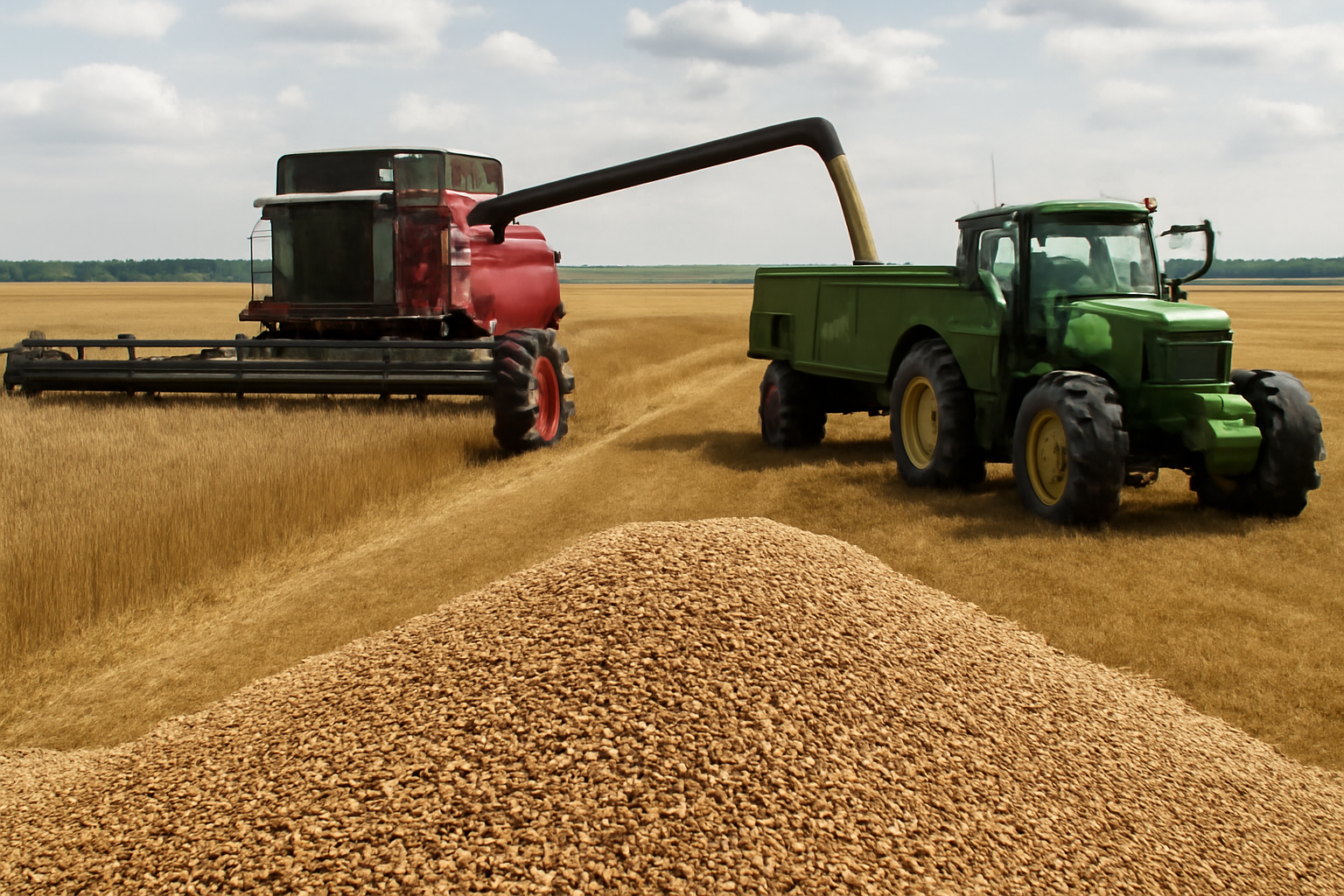
Harvest may fall but remain solid
Russia could harvest around 139 million tonnes of grain in 2026, according to the Institute for Agricultural Market Studies, known as IKAR. The institute expects production to be lower than last year but still describes the prospective crop as solid.
IKAR’s chief executive presented the forecast at the summer Where Is the Margin conference. The estimate provides an early benchmark for producers, processors and grain traders assessing the amount of Russian supply that may become available during the season.
Weather differs sharply between regions
IKAR said the new agricultural season, which began in July, is again developing under highly uneven weather conditions. Some Russian regions have faced drought, while others have received excessive moisture. These contrasting conditions make the national total less representative of the situation confronting individual farming areas.
Drought can constrain crop development in affected regions, while excessive moisture creates a different set of production risks. The eventual impact on harvested volumes and grain quality will depend on how conditions develop through the remainder of the growing and harvesting periods. IKAR did not provide a crop-by-crop breakdown in the material accompanying the forecast.
The regional divergence also matters commercially. Farms operating in better conditions may secure stronger output than producers in weather-affected areas, even if the national harvest remains close to the projected level. Processors and traders will therefore need to monitor the geographical distribution and quality of the crop alongside the headline tonnage.
Forecast matters for global grain supply
A harvest of around 139 million tonnes would leave Russia with another substantial grain crop, although the forecast alone does not determine the volume available to foreign buyers. Domestic consumption, crop quality, regional logistics and the composition of production will influence how much grain can reach the market and which grades are offered.
For international buyers and competing suppliers, the central point is that IKAR is not indicating a severe nationwide production failure despite the difficult weather pattern. At the same time, the expected decline from last year means market participants cannot assume that Russian supply will expand. Confirmation will depend on field results as the season progresses.
The 139-million-tonne projection should consequently be treated as a national supply indicator rather than a complete export forecast. Traders will require more detail on individual crops and producing regions before drawing firm conclusions about exportable volumes, pricing or competition in destination markets. Weather developments remain the main source of uncertainty identified by IKAR.