IFC Provides Doğuş Çay With €100 Million for Food-Processing Expansion
IFC has provided Doğuş Çay with an eight-year, €100 million loan to expand food processing, seed production, storage and logistics. The program is expected to support more than 50,000 Turkish farmers and generate about 3,400 direct and indirect jobs.
Eight-year financing targets processing capacity
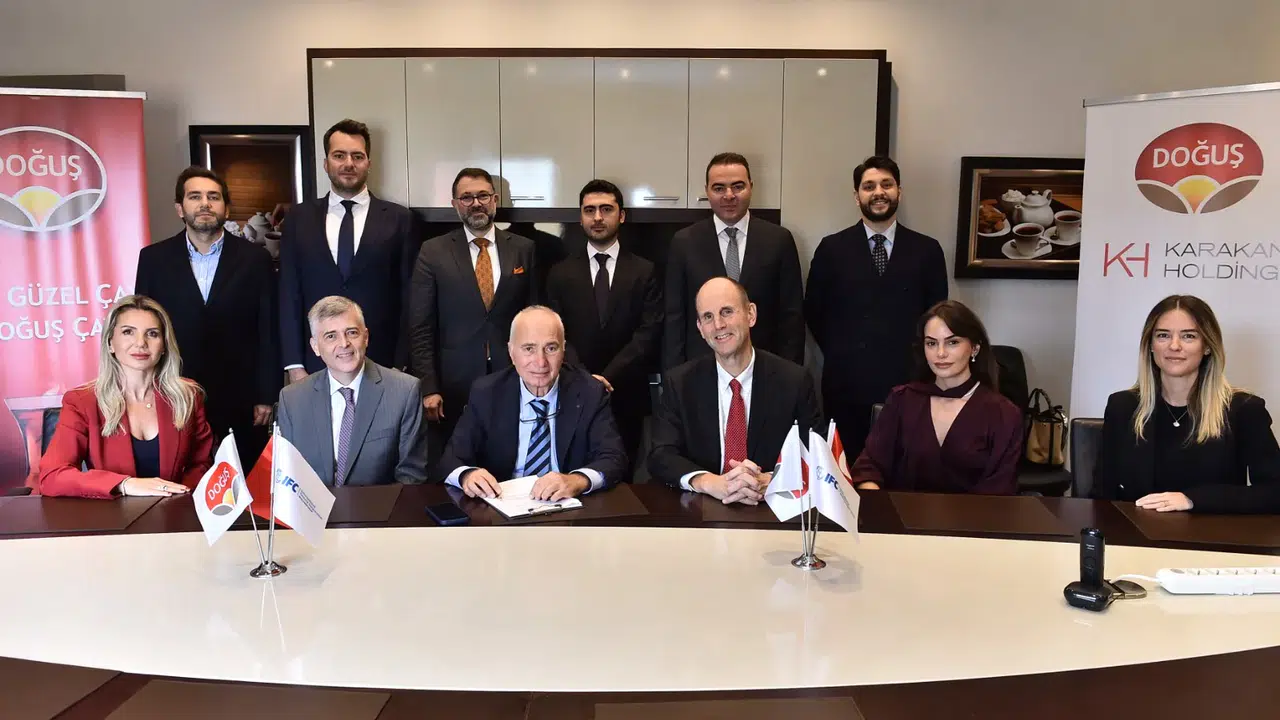
International Finance Corporation, the World Bank Group’s private-sector arm, has provided Doğuş Çay with €100 million in financing for a long-term investment program in Türkiye’s agriculture and food industry. According to Gazete Birlik, the loan has an eight-year maturity and includes a two-year grace period before repayments begin.
The company plans to use the funds primarily to increase production capacity for potato chips and tomato paste. The program also covers food-processing operations, seed production, storage and logistics infrastructure, giving the financing a broader role across the company’s supply network rather than limiting it to individual factory lines.
Doğuş Çay expects the investments to strengthen its distribution network across Türkiye and create about 3,400 direct and indirect jobs. No figures were disclosed for the additional processing volumes, the allocation of funds among individual projects or the timetable for the capacity increases in Türkiye.
More than 50,000 farmers in the supply network
The investment will affect a sourcing base extending beyond tea. Doğuş Çay currently buys tea, potatoes, sugar beet, tomatoes and corn from domestic producers. The company said the financing would deepen its cooperation with more than 50,000 farmers across Türkiye, linking the expansion of processing capacity with a larger and more organized agricultural supply system.
Contract farming is central to that relationship. Under the model described by Gazete Birlik, participating farmers receive easier access to markets, quality fertilizer and technical equipment support, alongside more transparent and predictable income. For Doğuş Çay, closer coordination with growers can help align crop availability and quality with the requirements of its processing plants.
The combination of seed production, storage and logistics investment is also important for potatoes, tomatoes and other seasonal crops. These products require coordination between planting decisions, harvesting schedules, transport and factory intake. Additional infrastructure could reduce bottlenecks as processing capacity grows, although the company has not provided detailed targets for procurement volumes or regional sourcing.
Hungary plant underpins European plans
Doğuş Çay board member Bilge Kaan Karakan said the financing would be used for innovation and capacity growth and would support the company’s expansion in Europe. He said Doğuş Çay plans to put its potato-chip production plant in Hungary into operation in 2027. The facility adds an international component to a program otherwise focused heavily on Turkish farming, processing and distribution.
The company, which cites 41 years of industry experience, views the loan as evidence of confidence in its international growth prospects. The source did not disclose the planned capacity of the Hungarian plant, its raw-material sourcing arrangements or the export markets it will serve. Those details will determine how directly the project connects Doğuş Çay’s Turkish supply network with European sales.
Wagner Albuquerque de Almeida, IFC regional director for manufacturing, agribusiness and services in the Middle East and Central Asia, said the financing was intended to reinforce links between markets, producers and farmers. IFC expects the investment to contribute to long-term growth and global competitiveness in Türkiye’s agriculture and food sector. For processors and growers, execution will depend on converting the financing into additional factory throughput, reliable crop procurement and efficient storage and delivery capacity.