IFAD-backed program supports 3,256 women in Kogi rice and cassava chains
Nigeria’s FGN/IFAD Value Chain Development Programme has supported 3,256 women in Kogi State’s rice and cassava industries. Participants have received inputs, equipment, training and market connections, but limited access to land, finance, storage and energy remains a constraint.
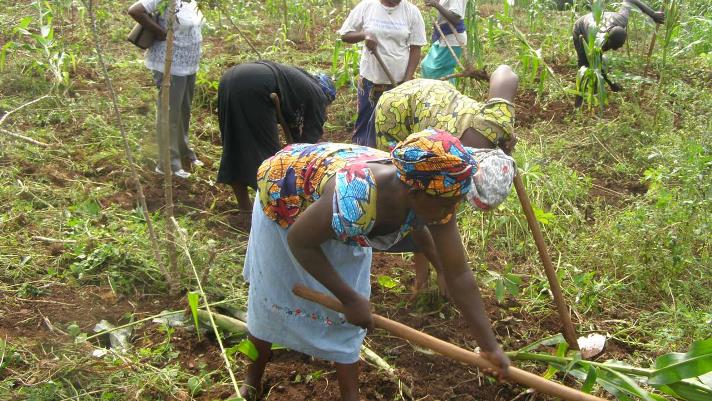
Program moves women from farming into agribusiness
Nigeria’s Federal Government/International Fund for Agricultural Development Value Chain Development Programme has supported 3,256 women working in the rice and cassava value chains in Kogi State, according to BusinessDay. The assistance includes access to agricultural inputs, productive assets and market linkages intended to raise rural incomes and improve food security.
The program currently operates in five of Kogi’s 21 local government areas: Ajaokuta, Ibaji, Kabba-Bunu, Lokoja and Olamaboro. Stella Adejoh, the state project coordinator for FGN/IFAD-VCDP, said participating women are moving beyond subsistence farming into production, processing, aggregation, marketing and distribution.
The initiative is part of the FGN/IFAD-assisted Value Chain Development Programme, which is implemented in nine Nigerian states and focuses on rural households engaged in rice and cassava. Kogi officials presented the results during an event marking the 2026 International Year of the Woman Farmer.
Processing and product quality receive greater attention
In the rice chain, women have adopted improved parboiling, milling, packaging and branding practices designed to increase quality and income. Cassava participants are processing the crop into garri, high-quality flour and odorless fufu for broader markets. These activities give farmers access to value beyond the sale of unprocessed crops and could help reduce losses after harvest.
BusinessDay reported that beneficiaries have received labor-saving processing equipment and are expanding from small-scale operations into aggregation and distribution. Processing houses, aggregation centers and tricycles are among the support cited by Joy Yusuf, chairperson of the Women Farmers’ Group Network.
Empowerment Learning Centres also provide training in agribusiness, financial literacy, nutrition and entrepreneurship. Women are using digital tools for market information and weather forecasts while adopting soil and water management, homestead gardening and crop diversification as climate-smart practices.
Expansion depends on finance and infrastructure
Despite the reported progress, participants continue to face limited access to land, affordable finance, extension services, mechanization, storage and reliable energy. These constraints could restrict production growth and prevent processors from operating equipment consistently or meeting the quality and volume requirements of larger buyers.
Stakeholders called for flexible loan products from financial institutions and stronger purchasing contracts and market partnerships from private companies. George Bello Ogirima, managing director of Kogi Agricultural Development Project, said women contribute about 65% of farm labor in Nigeria and urged stronger branding and commercial links so their products can compete in urban supermarkets and export markets.
Reliable demand will be important if the equipment, training and aggregation capacity are to generate lasting income. Better branding can help processed rice and cassava products enter formal retail channels, but producers will also need consistent quality, storage and energy to supply those markets.
Officials seek coverage across all 21 local areas
Kogi Commissioner for Agriculture and Food Security Timothy Ojomah asked trained participants to become trainers for women in the state’s remaining 16 local government areas. Stakeholders similarly called for the model to expand from the current five areas to all 21, accompanied by gender-responsive financing, infrastructure and policies.
The proposed train-the-trainer approach could extend production and processing knowledge at relatively low cost. Its effect on regional food supply and household income, however, will depend on whether expansion is matched by land access, working capital, machinery, storage, energy and dependable buyers.
Kogi’s Ministry of Agriculture and Food Security pledged continued support for the investments and knowledge created through VCDP. The event also recognized women working as rice and cassava producers, processors and marketers, with Rafat Onize Ahmed named the overall best Agripreneur champion.