IEX subsidiary seeks licence to launch physical coal exchange in India
Indian Energy Exchange subsidiary Indian Coal Exchange Ltd has applied to the Coal Controller Organisation for a coal exchange licence. The proposed platform would bring buyers and sellers together in a technology-enabled market for physical, delivery-based coal trading in India.
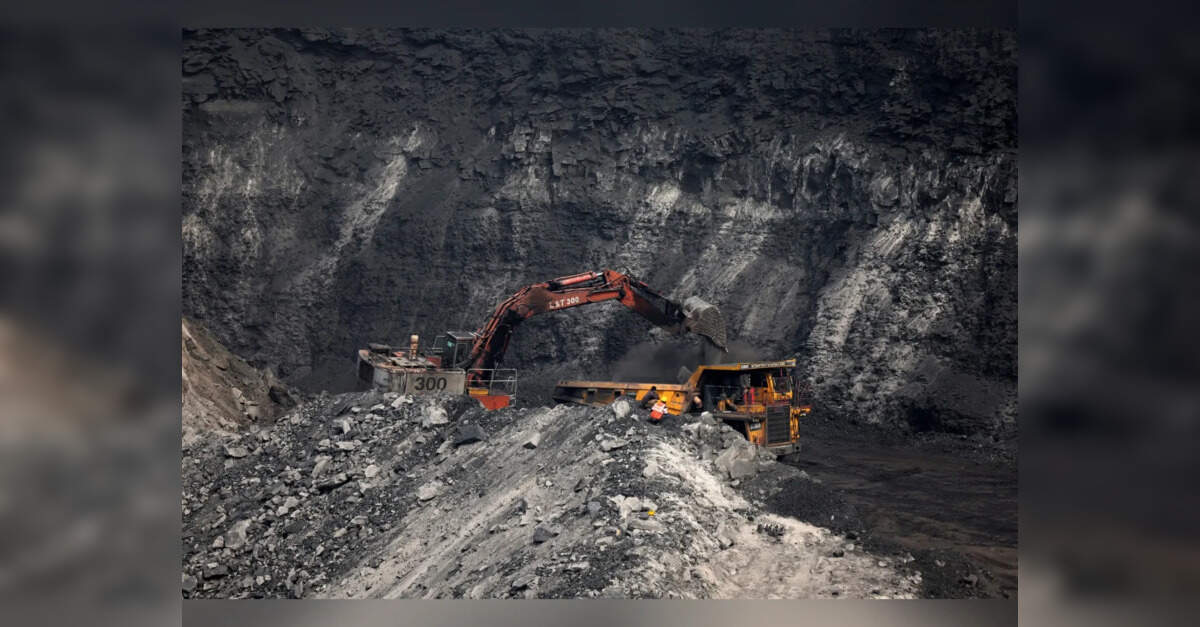
IEX extends its market model to physical coal
Indian Energy Exchange, or IEX, is seeking to expand beyond its existing energy-market activities through a dedicated coal-trading subsidiary. Indian Coal Exchange Ltd has applied to the Coal Controller Organisation, or CCO, for a licence to establish a physical coal exchange in India, according to Business Standard, The Economic Times’ Energyworld and the Free Press Journal.
The proposed exchange would operate as a physical, delivery-based marketplace rather than as a purely financial trading venue. Its central function would be to bring coal buyers and sellers onto one technology-enabled platform where transactions can be organised through a common market infrastructure.
The application is the first regulatory step described in the reports. The sources do not state that a licence has been granted, nor do they provide a planned launch date, expected trading volume or investment figure. The timing of commercial operations therefore depends on the licensing process and any conditions imposed by the relevant authorities.
Transparency is the core commercial proposition
IEX’s stated proposition is an organised and transparent marketplace for domestic coal trading. A common electronic venue could give participating producers and consumers a clearer mechanism for finding counterparties and executing physical transactions, while placing bids and offers within a single trading environment.
For coal producers and sellers, the platform’s relevance will depend on whether it attracts a sufficiently broad and consistent buyer base. For industrial consumers and other buyers, its value will rest on access to available supply, usable delivery terms and a trading process that compares favourably with existing procurement channels.
Physical delivery makes execution more complex than simply matching an order on a screen. Coal transactions also depend on product specifications, contracted quantities, delivery arrangements and fulfilment. The available reports do not disclose how Indian Coal Exchange plans to standardise these elements or manage settlement and delivery obligations.
Licensing and liquidity will determine the outcome
The initiative expands IEX’s presence in the energy sector, but the licence application alone does not establish an operating market. Indian Coal Exchange must first obtain regulatory approval and then convert the proposed technology platform into a venue with active buyers, sellers and deliverable coal.
Market liquidity will be especially important. An exchange can improve visibility only when enough participants submit orders and complete transactions. Producers, processors, traders and coal-consuming companies will therefore watch participation rules, contract design and delivery procedures as further details emerge.
The proposal signals an attempt to introduce exchange-based price discovery and common trading infrastructure into India’s physical coal market. Its practical effect cannot yet be measured because the reports provide no launch timetable, fee structure, contract specifications or volume targets. The next decisive development will be the CCO’s response to the application and the operating framework attached to any licence.