IEA Heat Pump Monitor 2026 maps the global market through 2035
The IEA’s Heat Pump Monitor 2026 examines the global heat pump market through 2035. The outlook focuses on energy prices, policy and Europe’s role in the sector’s growth trajectory.
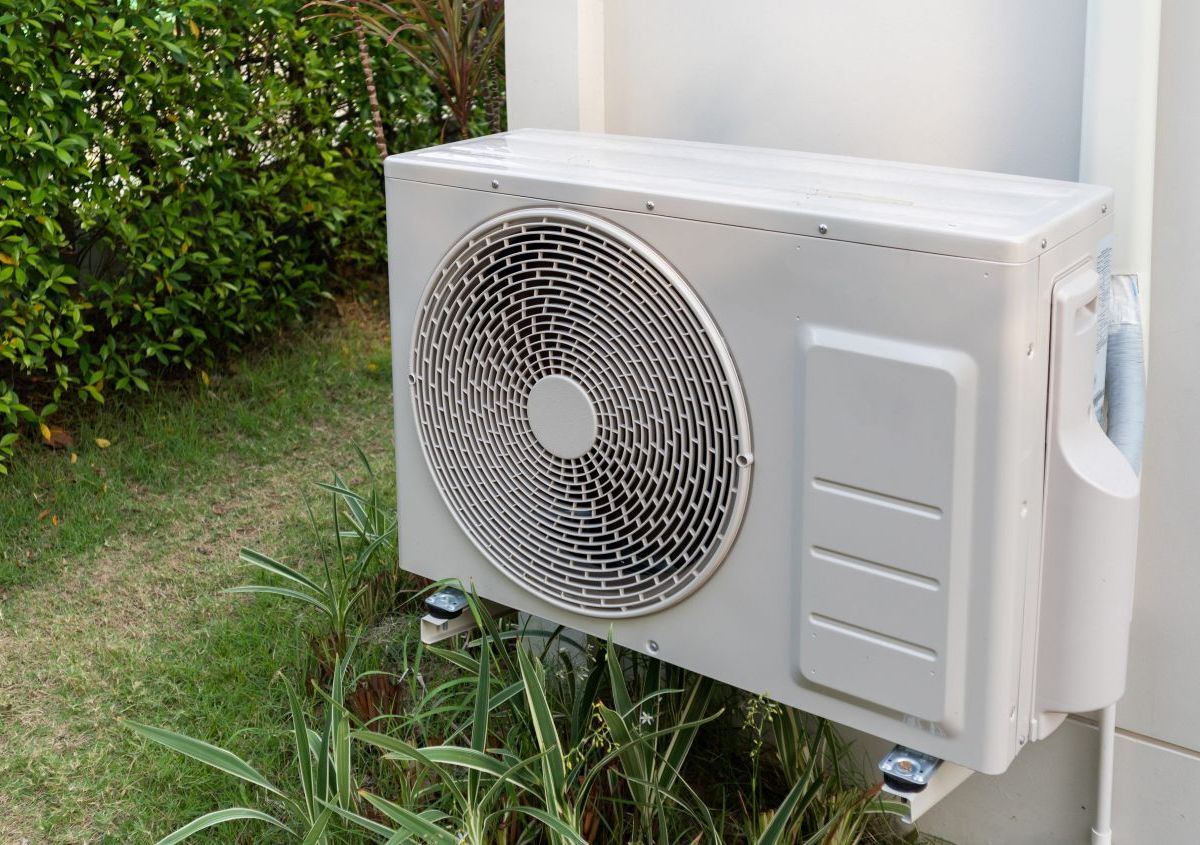
IEA sets out a global view to 2035
The International Energy Agency’s Heat Pump Monitor 2026 provides a global view of the heat pump market and its possible development through 2035. According to InfoBuildEnergia, the monitor examines the sector through scenarios that consider energy prices, public policy and Europe’s role in the industry’s growth trajectory.
The time horizon makes the publication relevant to manufacturers, component suppliers, utilities, building-sector companies and investors planning capacity and market entry. Heat pumps sit at the intersection of heating equipment, electricity demand and building policy. Their commercial prospects therefore depend not only on equipment supply, but also on the relative cost of electricity and competing heating fuels.
The material supplied does not disclose sales, capacity or investment forecasts from the monitor. It nevertheless identifies the main variables used to assess the market: the evolution of energy prices, the direction of policy and the position of Europe within global growth.
Energy prices shape operating economics
Energy prices are central to the outlook because buyers compare both the initial cost of equipment and the expense of running it. Changes in electricity prices can alter the economics of heat pump ownership, while movements in the prices of alternative heating fuels can strengthen or weaken the incentive to switch technologies.
This relationship affects the full supply chain. Producers need visibility on final demand before expanding manufacturing, while installers and distributors must judge whether household and commercial demand can support larger inventories and workforces. Utilities also face a different demand profile when heating shifts toward electricity.
For trade professionals, pricing conditions can influence where finished systems and components find the strongest markets. They can also affect the timing of procurement and investment. The headline information does not specify individual trade flows, product prices or country-level volumes, so conclusions about particular import and export markets cannot be drawn from the supplied material.
Policy remains a decisive market variable
The monitor also places policy among the factors shaping the sector through 2035. Building standards, heating rules and government support can affect purchasing decisions and the pace at which older systems are replaced. Policy consistency matters to companies because manufacturing capacity, distribution networks and installer training require planning beyond a single sales cycle.
Regulatory differences can also produce uneven market development. Producers serving several countries may need to adapt equipment, certification and commercial strategies to local requirements. Investors, meanwhile, must distinguish between demand supported by durable rules and demand that could change when public measures are revised.
Europe’s role in global sector growth
InfoBuildEnergia highlights Europe’s role as a specific element of the IEA outlook. This places the region within a wider global assessment rather than treating it as an isolated equipment market. Europe’s policy environment, energy-price conditions and established heating industry make its trajectory relevant to producers and suppliers operating across borders.
The Heat Pump Monitor 2026 therefore offers an organizing framework for following the sector to 2035: compare regional market development, track energy-price relationships and assess how policy influences investment and purchasing. More detailed conclusions on production, capacity, sales and trade will depend on the underlying figures and scenarios in the full IEA publication, which were not included in the supplied source material.