IEA Projects Global Oil Demand to Fall 1 Million Barrels Per Day in 2026 on Middle East Disruptions
The International Energy Agency projects global oil consumption will fall by 1 million barrels per day in 2026, tied to supply disruptions in the Middle East, according to Bisnis Indonesia. The agency notes that a recovery is beginning to take shape.
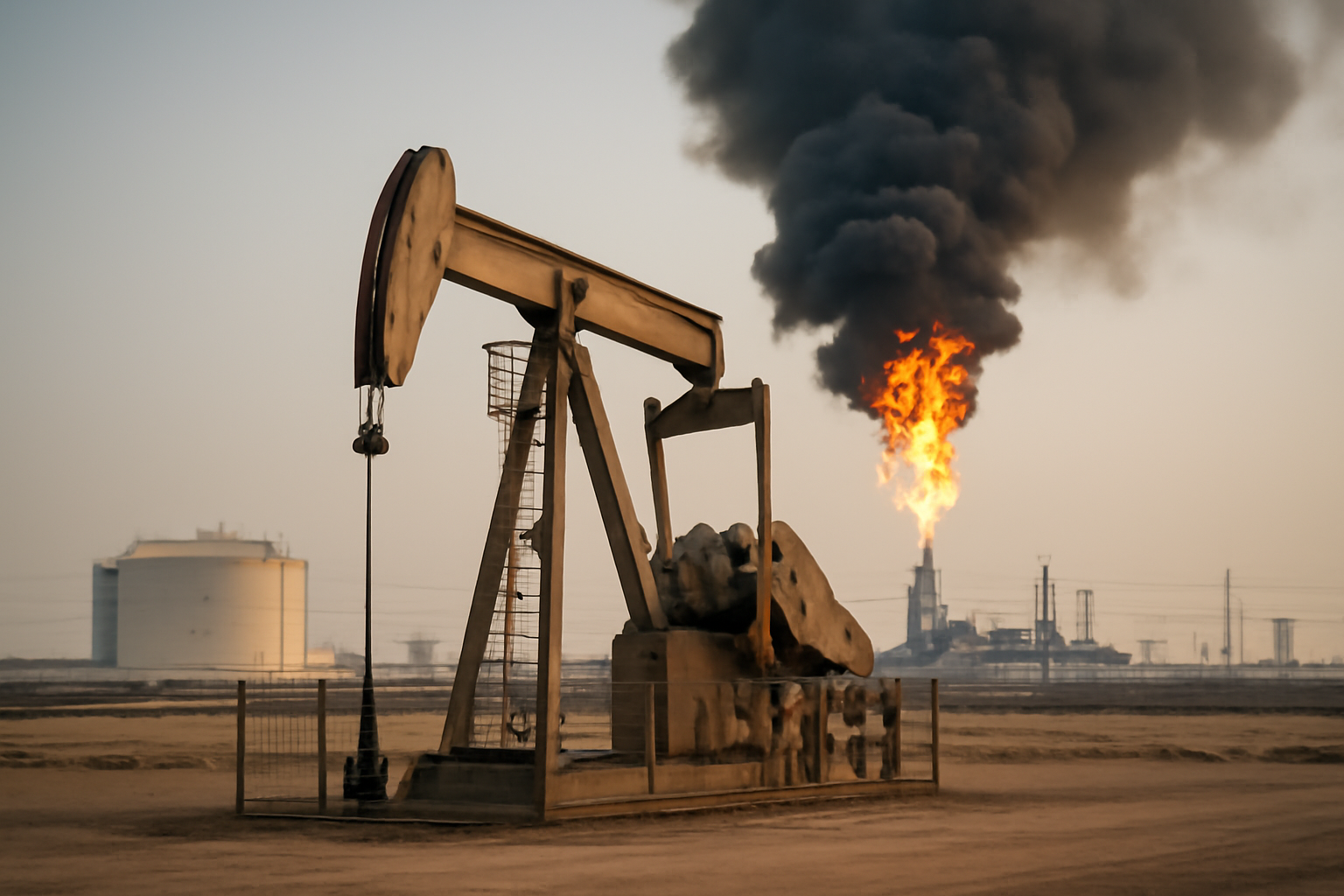
IEA lowers 2026 oil demand outlook
The International Energy Agency (IEA) projects that global oil consumption will fall by 1 million barrels per day in 2026, a downward revision it links to disruptions in the Middle East, according to Bisnis Indonesia. The forecast points to a weaker consumption path for the coming year even as the agency signals that a recovery is beginning to take shape.
The revision matters for oil markets because the Middle East remains the single largest source of internationally traded crude. Disruptions to supply from the region feed directly into freight costs, insurance premiums and the price buyers pay at the point of delivery. When flows from key producing and shipping corridors are interrupted, the effects reach refiners and end users far beyond the region itself.
Why the Middle East is central
The Middle East sits at the core of global crude logistics. A large share of seaborne oil moves through the region's export terminals and maritime chokepoints, and any interruption there tightens the physical availability of barrels on the water. For importers in Asia and Europe, that translates into longer voyages, rerouted cargoes and higher landed costs.
A projected decline in consumption of the scale the IEA describes reflects the combined pull of supply-side friction and demand-side caution. When buyers face uncertainty over the reliability of supply, purchasing decisions tend to become more conservative, and downstream demand can soften as higher costs pass through to fuels and petrochemical feedstocks.
- Middle East supply disruptions are cited as the driver of the downward revision.
- The projected fall in global consumption is 1 million barrels per day for 2026.
- The IEA reports that a recovery is beginning to emerge.
What it means for trade flows
For exporters, a lower global consumption forecast signals softer demand for their barrels, which can weigh on realized prices and shipment volumes. For importers, the same picture is more ambiguous: weaker overall demand can ease price pressure, but the underlying cause — supply disruption in the Middle East — works in the opposite direction by tightening physical availability and raising the cost of moving crude to market.
The interplay between these forces will shape trade patterns through 2026. Buyers may seek to diversify sourcing away from disrupted corridors, drawing more heavily on alternative suppliers and lengthening supply chains. Refiners weighing run rates for the year will factor in both the softer demand outlook and the risk that disruption keeps a floor under delivered costs.
Signs of recovery
The IEA's observation that a recovery is beginning provides a counterweight to the downward revision. If the improvement holds, the drag on consumption implied by the 1 million barrel per day decline could prove less severe over the course of the year. For market participants, the key variables to watch are the durability of Middle East supply and the pace at which the emerging recovery feeds back into consumption.
For now, the agency's projection leaves oil markets balancing a weaker demand outlook against the persistent risk that regional disruption keeps supply tight. That combination points to a year in which trade flows are shaped as much by logistics and reliability as by the headline consumption number itself.