IEA cuts global oil supply and demand forecasts as fuel prices jump
The International Energy Agency has lowered its projections for both global oil supply and global oil demand this year, with the reductions deeper than its earlier estimates, according to Kontan. Fuel prices rose sharply as the revised outlook was published. The volumes behind the revision were not detailed, leaving the direction of the implied stock balance open.
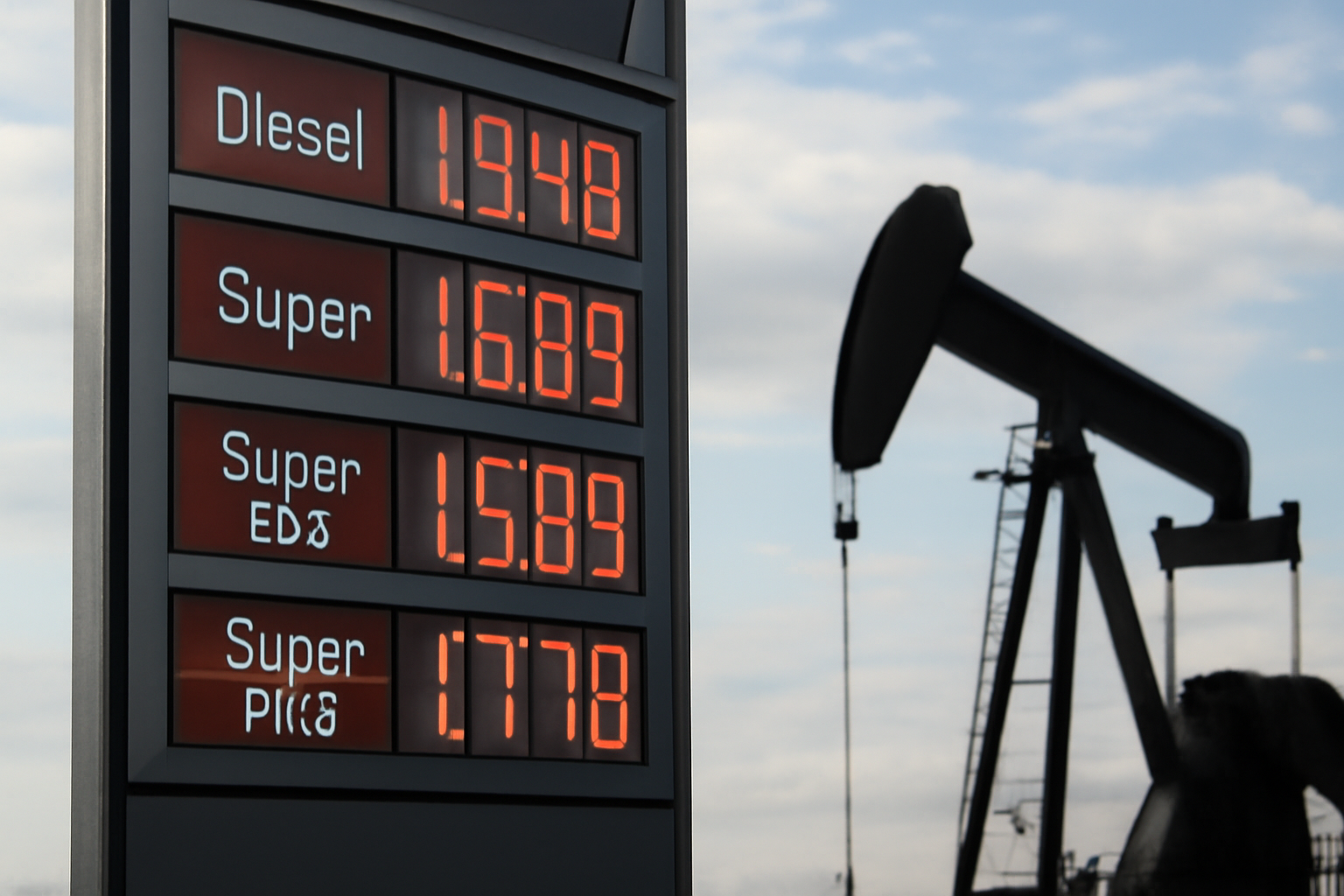
The International Energy Agency has lowered its forecasts for both global oil supply and global oil demand for this year, with the cuts going deeper than the agency's earlier estimates, according to Kontan. The revision landed alongside a sharp move higher in fuel prices.
A rare double downgrade
Monthly updates to the IEA oil market balance usually push one side of the ledger at a time: demand is trimmed when industrial activity disappoints, or supply is trimmed when outages, maintenance or investment shortfalls bite. Cutting both in the same update is less common, and it changes how the numbers should be read. The direction of the implied stock build or draw depends entirely on which of the two cuts is larger, not on either headline figure on its own.
That arithmetic is what refiners, physical traders and producers price. A demand downgrade taken in isolation points to looser balances, weaker crude differentials and thinner refining margins. A supply downgrade in isolation points the other way. When the two arrive together, the market has to work out the residual, and the residual rather than the size of either revision sets the tone for cargo pricing in the weeks that follow.
Fuel prices move first
Kontan reported that fuel prices jumped as the revised projections were published. Refined products routinely reprice faster than crude in these episodes. Product inventories sit closer to the consumer, cover is measured in days rather than months, and refiners buying replacement barrels cannot wait for a second data point to confirm the first.
For importing countries, that sequencing matters. The cost of a supply revision reaches the pump before it reaches the crude import bill, because retail and wholesale fuel prices track product cracks as well as the underlying crude benchmark. Governments running fuel subsidies or price caps absorb the difference on their own balance sheets until the pass-through is allowed.
What market participants watch next
Until the full detail of the revision circulates, the practical checklist is short:
- Which side of the balance was cut harder, and whether the implied stock trajectory for the rest of the year flips from build to draw.
- Whether the demand cut is concentrated in transport fuels or in petrochemical feedstock, since the two hit different refinery configurations.
- Refining margins, which will show within days whether product strength is genuine or a positioning reaction.
- Freight and differentials on long-haul crude routes, the first place a tighter supply view shows up in physical trade.
An incomplete picture
The volumes attached to the revision were not detailed in the Kontan report, and no comparison against the agency's previously published balance was given. That leaves the magnitude of the change, the variable that decides whether this is a marginal adjustment or a material reset of the year, unresolved for now. Producers weighing output plans and importers hedging forward cargoes have a direction of travel but not yet a number to work with.
What is established is the pairing: a deeper cut to supply and to demand at the same time, and a fuel price rally on the day. For a market that trades on balance revisions, that combination is enough to move prices before the detail is read.