IDC: global PC market may shrink up to 9% in 2026 on memory shortage
IDC's updated analysis suggests the global PC market could contract by up to 9% in 2026, far worse than an earlier 2.5% estimate. The main driver is an intensifying memory shortage that is inflating component prices and constraining supply, while demand for AI PCs has fallen short of expectations.
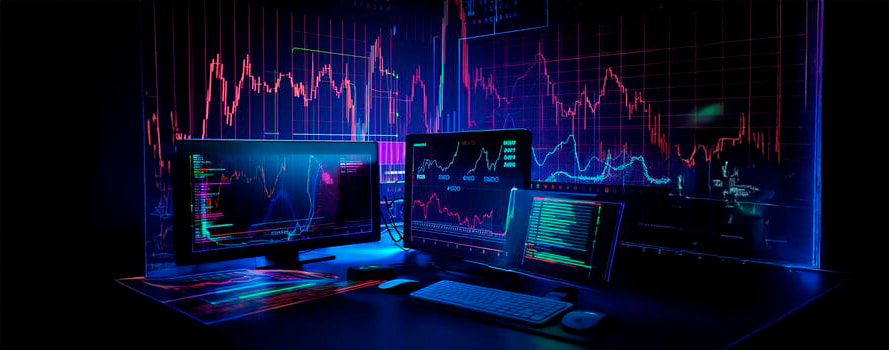
The global personal computer market could contract by as much as 9% in 2026, according to an updated analysis from International Data Corporation (IDC) cited by playground.ru. The projection marks a sharp deterioration from IDC's earlier estimate, which put the decline at just 2.5% over the same period.
A steeper drop than first expected
IDC has not formally revised its official forecast, but the firm is now modelling scenarios far more negative than those it presented only weeks earlier, the report says. A 9% fall in worldwide shipments would rank among the worst years the industry has recorded.
For context, the report notes that during the 2009 global financial crisis the PC market fell 11.9%, the sharpest decline in its history at the time. A larger contraction of nearly 15% followed the pandemic-era boom as the market saturated, and the sector is still recovering from that slump.
Memory shortage at the center
The main driver of the darker outlook is an intensifying global memory shortage that began accelerating in mid-October and has since reached levels well beyond analysts' initial expectations, according to the report. Memory has become the scarcest and most expensive component in a typical system.
The squeeze restricts supply, inflates prices and is forcing vendors to rework product roadmaps, the report states. It cites RAM prices already reaching 45,000 rubles or more — a sum approaching the cost of a game console, to the point that buying a console can now be cheaper than assembling a PC.
AI PC demand falls short
The timing is awkward. 2026 was expected to be a strong year, driven by the end of support for Windows 10 and a wave of AI-capable PCs. Instead, the marketing push behind AI PCs has not delivered the growth manufacturers anticipated.
User enthusiasm has cooled, and there is growing frustration with the rapid and often forced integration of AI features, particularly in Windows 11, the report says. As makers try to sell AI-enabled systems, the economics of building them are worsening precisely because memory — the component AI workloads lean on — is the one in shortest supply.
What it means for the trade
IDC's conclusion, described as cautious but clear, is that what began as an AI infrastructure boom is now reshaping consumer hardware markets in unexpected ways. The memory crunch is capping supply and driving up prices at the very moment demand was supposed to recover. For importers and vendors, that points to higher landed costs, tighter component availability and revised launch plans through 2026.