ICE Arabica Stocks Fall to 26-Year Low as Nearby Supply Tightens
ICE-certified arabica inventories fell to 224,011 60-kilogram bags, the lowest level since May 2000. Scarce deliverable coffee is supporting nearby prices even as the global market is expected to move into a larger surplus in 2026-27.
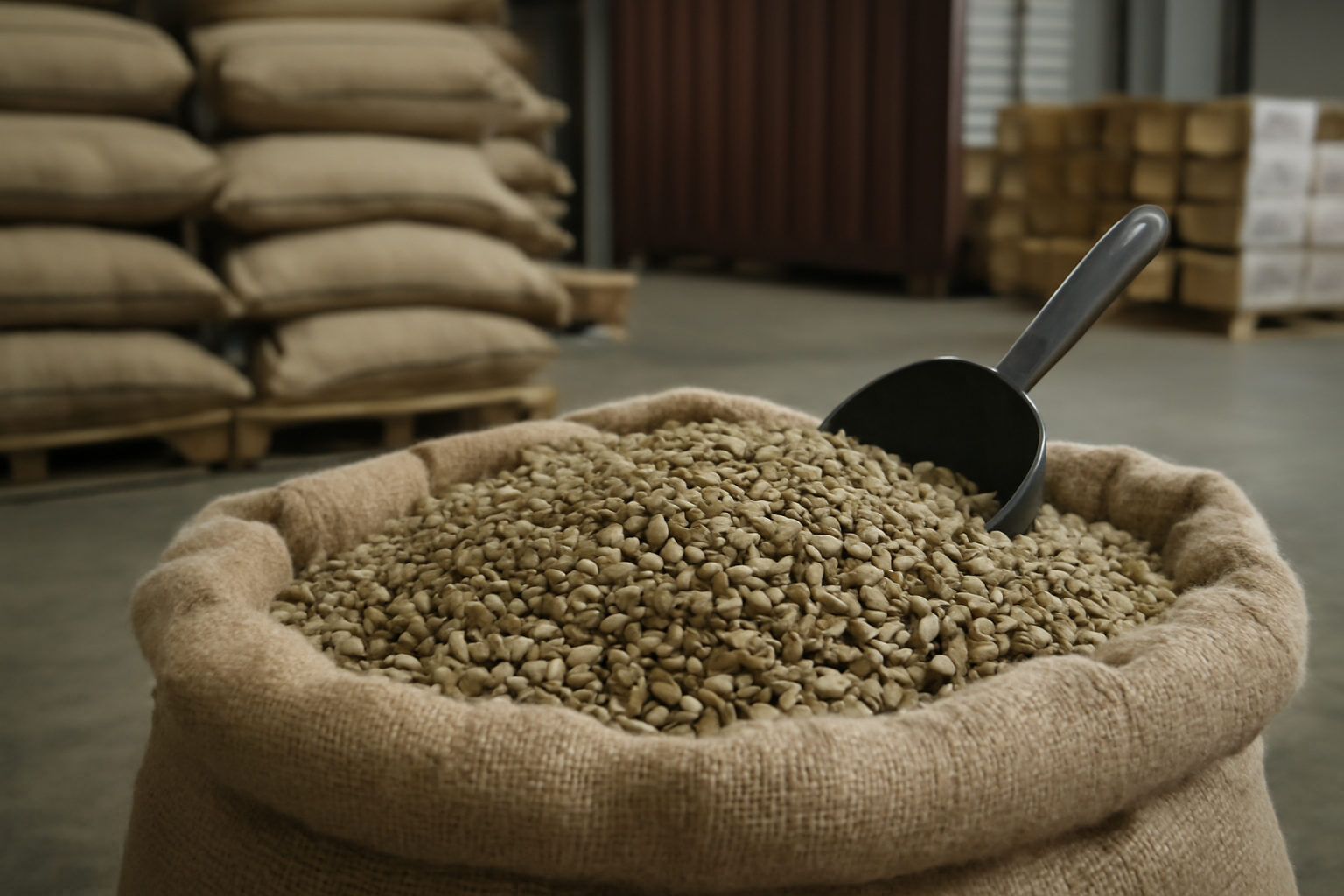
Certified stocks shrink to 224,011 bags
Arabica coffee stocks certified by the ICE exchange fell to 224,011 60-kilogram bags on August 28, their lowest level since May 2000, according to ICE data reported by Reuters. Dealers are competing for scarce supplies amid concern that the physical market could remain tight over the coming months.
The decline has helped keep benchmark arabica futures above $3 per pound during the past couple of months. That level contrasts with the much larger inventory buffer historically available to the market: exchange stocks generally ranged from 1 million to 5 million bags between the mid-2000s and early 2022.
The shortage is most visible in the front of the futures curve. September arabica traded at a premium of about 32 cents per pound to the December contract. This inverted structure signals that buyers are paying more for coffee available for immediate delivery, while expecting supply conditions to improve later.
Brazilian coffee is not reaching buyers quickly
The pressure reflects the location, timing and quality of available coffee rather than an absence of beans everywhere. Broker and consultant Michael J Nugent said in a note that coffee existing somewhere does not necessarily mean it is available immediately in a form that can be delivered against the exchange contract.
Brazil, the world’s largest coffee producer, is widely expected to gather a record crop, but much of the supply remains held by farmers. Reuters reported that well-capitalised Brazilian producers face little pressure to sell, while logistics backlogs are mounting and domestic storage remains relatively inexpensive.
Weather has created another obstacle. Heavy rains linked to El Niño delayed harvesting in Brazil during June and July and damaged quality. That has limited the near-term availability of higher-grade beans capable of passing the certification process and entering ICE warehouses.
Expected surplus has yet to rebuild destination stocks
A Reuters poll forecasts a global coffee surplus of 8.2 million bags in the 2026-27 season, compared with 1.7 million bags in the previous season. The larger balance suggests that the underlying shortage could ease, but the market’s immediate problem is how quickly coffee moves from producing countries into certified inventories in consumer markets.
Hedgepoint analyst Laleska Moda said volatility could persist if the expected surplus remains concentrated in origin countries, leaving producers with greater bargaining power. Low transparent stocks can also amplify futures movements: algorithm-driven funds may buy as inventories decline, while traders holding short positions can be forced to repurchase contracts when little coffee is available for delivery. Because ICE arabica futures are a benchmark for physical coffee pricing, this squeeze can affect contracts between producers, exporters, roasters and importers well beyond exchange warehouses.