Iberian service station fuel sales rise 2.5% in 2025 as turnover slips to €45.58bn
Service stations in Spain and Portugal sold 29.22 million tonnes of fuel in 2025, up 2.5%, according to the DBK Sectoral Observatory published by Informa. Lower pump prices pushed aggregate turnover down 0.4% to 45,583 million euros, even as the network grew 1% to 15,978 sites.
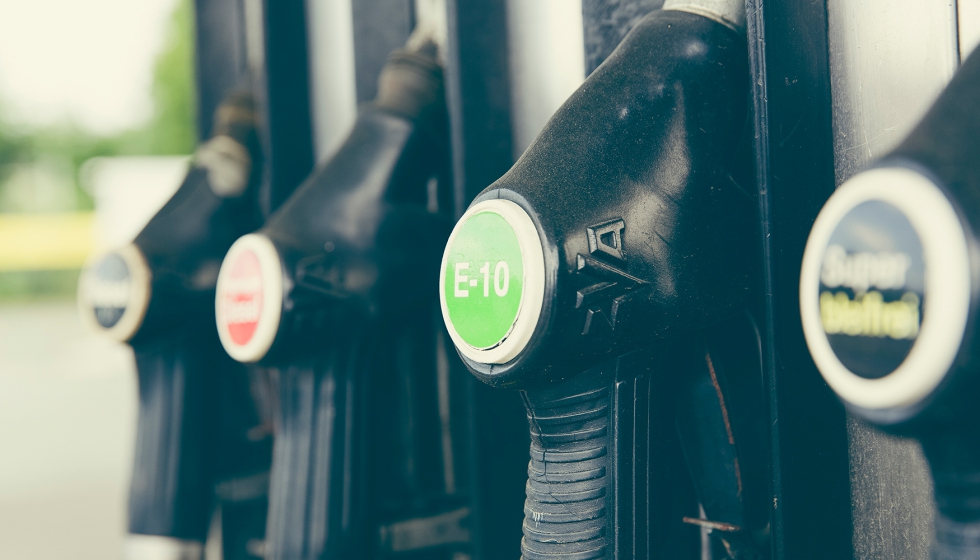
Fuel sold through service stations in the Iberian market reached 29.22 million tonnes in 2025, an increase of 2.5% on the previous year, while the sector's aggregate turnover fell 0.4% to 45,583 million euros. The figures come from the DBK Sectoral Observatory produced by Informa, a subsidiary of Cesce specialising in commercial, financial, sector and marketing information in Spain and Portugal.
Across all sales channels, the total volume of fuel marketed in the Iberian market grew 2.2% to 40.36 million tonnes. Spain accounted for 34.15 million tonnes, 2.7% above the 2024 level, while Portugal recorded 6.22 million tonnes, a rise of 0.4%. DBK said the upward trend in volumes has held over recent years, following the moderate decline registered in 2023 as a consequence of the sharp increase in prices that year.
Petrol outpaces diesel at the pump
Service stations channelled around 98% of total petrol sales in the Iberian market and about 78% of automotive diesel, according to DBK. Within the 29.22 million tonnes dispensed at forecourts in 2025:
- petrol accounted for 8.20 million tonnes, up 7.6% year on year;
- diesel accounted for 21.02 million tonnes, up 0.7%.
Diesel therefore still represents close to three-quarters of forecourt volume, but almost all of the year's growth came from petrol. The gap between a 7.6% gain in petrol and a 0.7% gain in diesel points to a shift in the vehicle fleet mix feeding the retail channel, and it changes the product balance that refiners, wholesalers and station operators plan around.
Lower prices weigh on turnover
The fall in fuel prices during the year produced a moderate decline in the aggregate billing of service stations, DBK reported, with turnover estimated at 45,583 million euros for the Iberian market as a whole, 0.4% below 2024. The Europa Press report on the same study put the figure at more than 45,500 million euros.
The combination of higher litres and lower euros is the defining feature of the 2025 result: volume growth of 2.5% at the forecourt was not enough to offset the price effect on revenue. For operators whose margins are set per litre rather than as a percentage of the sale price, the volume line is the more relevant indicator; for those exposed to working capital and inventory valuation, the price decline eased financing needs through the year.
Network grows as low-cost sites gain ground
In December 2025 there were 15,978 service stations operating across the Iberian market, 1% more than a year earlier, extending the expansion recorded in previous years. Most sites operate under the brands of oil companies and fuel wholesalers.
DBK noted that hypermarket and supermarket chains and, above all, independent stations with low-cost business models are tending to gain market share. That trend matters for pricing at the pump and for the distribution strategies of the integrated operators, since unmanned and retail-attached sites compete primarily on price rather than on service offer. With volumes rising and the network expanding at a similar pace, average throughput per station has remained broadly stable, keeping competitive pressure on the older, higher-cost part of the network.
Outlook for 2026
DBK's data point to a slowdown in the growth of fuel sales volumes at the close of 2026, together with a strong increase in sector revenue, in a context of a significant rise in prices. That would reverse the pattern seen in 2025, when volumes advanced and billing edged down.
For suppliers and station operators, the projected combination implies higher nominal sales and heavier purchasing costs at the same time, with demand growth no longer providing the same support. Independent and retail-linked operators competing on price would face the tighter test in that scenario, while wholesalers would carry a larger inventory value per litre moved.