Hyundai’s Q2 global wholesale sales fall 6.9% as Europe and Korea weaken
Hyundai Motor sold 991,885 vehicles globally on a wholesale basis in the second quarter, down 6.9% year on year, Newsway reported. US growth and stronger hybrid demand partly offset double-digit declines in Europe and South Korea.
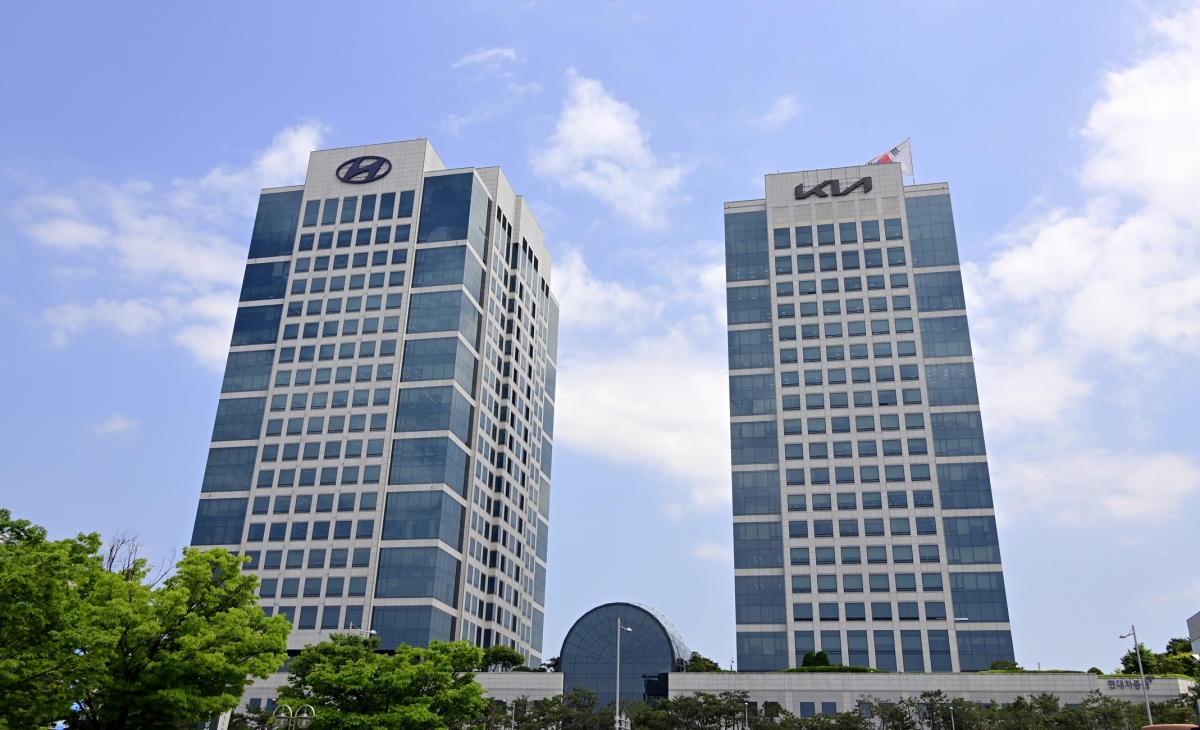
Global volume falls below one million vehicles
Hyundai Motor’s global wholesale sales declined in the second quarter as growth in the United States failed to compensate for weaker results in Europe and South Korea. According to Newsway, the automaker sold 991,885 vehicles worldwide during the quarter, 6.9% fewer than in the same period a year earlier.
Overseas sales fell 4.9% to 834,238 vehicles. Domestic sales dropped more sharply, declining 16.4% to 157,647 vehicles. The regional divergence reflected different demand conditions, Hyundai’s product mix and production constraints in its home market.
The result leaves Hyundai dependent on a recovery in Europe and South Korea during the second half. The company plans to support sales with new model introductions and normalized production, while seeking to preserve momentum in the US market.
US hybrids support market-share gains
The United States was Hyundai’s strongest major market in the quarter. Sales rose 0.9% year on year to 264,587 vehicles, slightly exceeding the 0.5% growth recorded by total US automotive demand. Hyundai’s market share increased by 0.2 percentage points and remained above 6% for a fifth consecutive quarter, Newsway reported.
Hybrid vehicles provided the main support. Their share of Hyundai’s US sales climbed from 19.4% in the second quarter of the previous year to 26.2%, an increase of 6.8 percentage points. More than one in four Hyundai vehicles sold in the country was therefore a hybrid. The share of internal-combustion vehicles declined from 75.1% to 72.9% over the same period.
Hyundai attributed stronger hybrid demand partly to high fuel prices. The figures suggest that hybrids are helping the company capture buyers seeking lower fuel consumption without moving fully to battery-electric vehicles. Maintaining adequate hybrid production and availability will be important if Hyundai is to continue outperforming the broader US market.
Competition weighs on Europe
European wholesale volume decreased 10.9% to 144,000 vehicles. Hyundai cited intensifying competition, greater geopolitical risks and the concentration of major model launches in the second half as factors behind the decline.
European hybrid sales still increased 17.8% year on year, but that growth was insufficient to prevent an overall contraction. Hyundai plans to introduce models including the Tucson and Ioniq 3 during the second half as it attempts to rebuild volume. Their market reception will be significant for dealers and suppliers facing a more competitive regional environment.
Parts disruption hits South Korean output
South Korean sales fell 16.4% to 157,647 vehicles. Newsway linked the decline to production disruption following a fire at a parts supplier, as well as a launch calendar weighted toward the second half of the year.
Battery-electric vehicle sales in the domestic market were a relative bright spot, increasing 30.8% with support from government subsidies and Hyundai’s own promotions. Even so, the gain could not offset the wider decline caused by constrained production and the timing of new products.
Hyundai’s second-half performance will depend on how quickly parts supply and production return to normal, and whether new models can reverse losses in Europe and South Korea. The US hybrid business provides a stronger base, but the second-quarter figures show that growth in one market and one powertrain category cannot by itself offset broad regional weakness.