Hygiene shortcomings delay South Korean livestock exports to US and EU
South Korean livestock products remain unable to access the US and EU markets after inspections in 2023 identified inadequate hygiene standards among participating companies. South Korean authorities have restarted the approval process, but no timetable for market access has been disclosed.
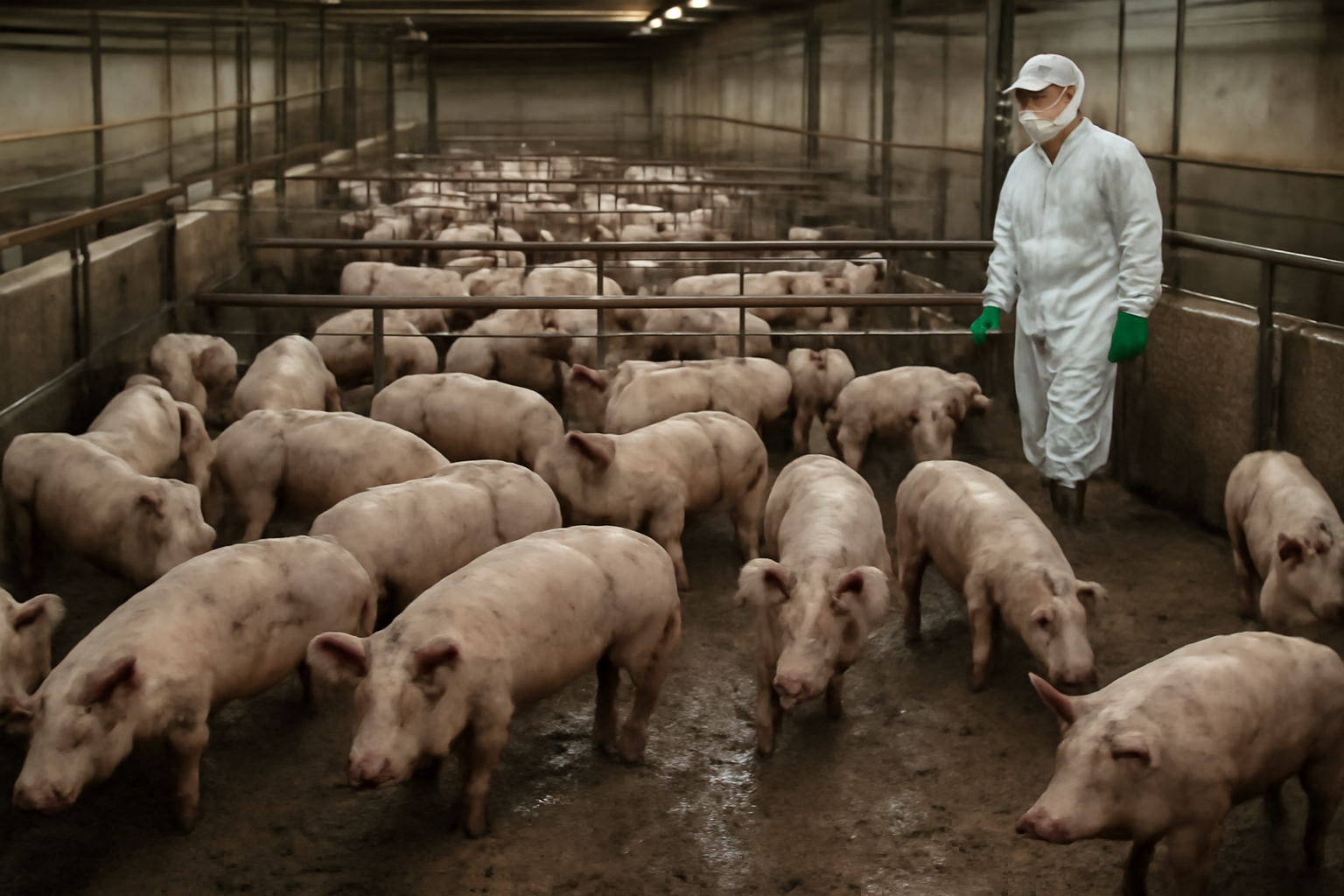
Inspections expose barriers to market access
South Korean livestock products are struggling to secure access to the United States and European Union despite the wider international expansion of Korean food. On-site inspections conducted by US and EU authorities in 2023 found that participating South Korean companies generally failed to meet the required hygiene standards. The shortcomings have prevented the country’s livestock sector from opening a viable export route into two of the world’s largest consumer markets.
The inspections were organized through South Korea’s Ministry of Food and Drug Safety after companies interested in exporting to the two markets applied voluntarily. This means the reviews focused on businesses actively seeking approval rather than the entire domestic livestock industry. Even so, the findings point to compliance problems among the companies considered most prepared to pursue US and EU customers.
Approval depends on systems, not consumer demand
The setback shows that the international popularity of Korean food does not automatically extend to regulated animal products. Livestock exports depend on official recognition of sanitary controls, effective oversight and consistent compliance at participating establishments. Individual companies cannot create durable market access through commercial agreements alone when importing authorities have not accepted the exporting country’s control arrangements.
The available information does not identify the companies inspected, the affected animal species or the specific deficiencies recorded at each site. It also provides no estimate of the investment needed to correct the problems. Those omissions make it impossible to calculate the potential export value or compare the cost of compliance with the commercial opportunity. What is clear is that insufficient hygiene performance, rather than a lack of export applications, stopped progress during the 2023 assessment.
South Korea restarts the process
South Korean authorities are now pursuing the procedure again following the unsuccessful inspections. The renewed effort gives applicants another opportunity to demonstrate that their facilities and operating practices can satisfy the standards imposed by the United States and the EU. No date has been announced for new inspections, completion of the review or the start of commercial shipments.
For producers and processors, the immediate task is therefore regulatory readiness rather than sales development. Companies will need to resolve the weaknesses that prevented approval and show that improvements can be maintained during routine operations. Traders and prospective importers must meanwhile treat South Korean supply as unavailable until the relevant authorities formally authorize it. A successful reassessment could establish a new export channel, but the timing and product coverage will depend on the outcome of the restarted process.