€6 Million Hydrogen Station and Truck Charging Park Opens on Germany’s A30
Chargepool has completed a €6 million hydrogen filling station and truck charging park on the A30 in Rheine, Germany. The project adds two alternative-fuel options for road freight at one location, although the available source provides no capacity or pricing details.
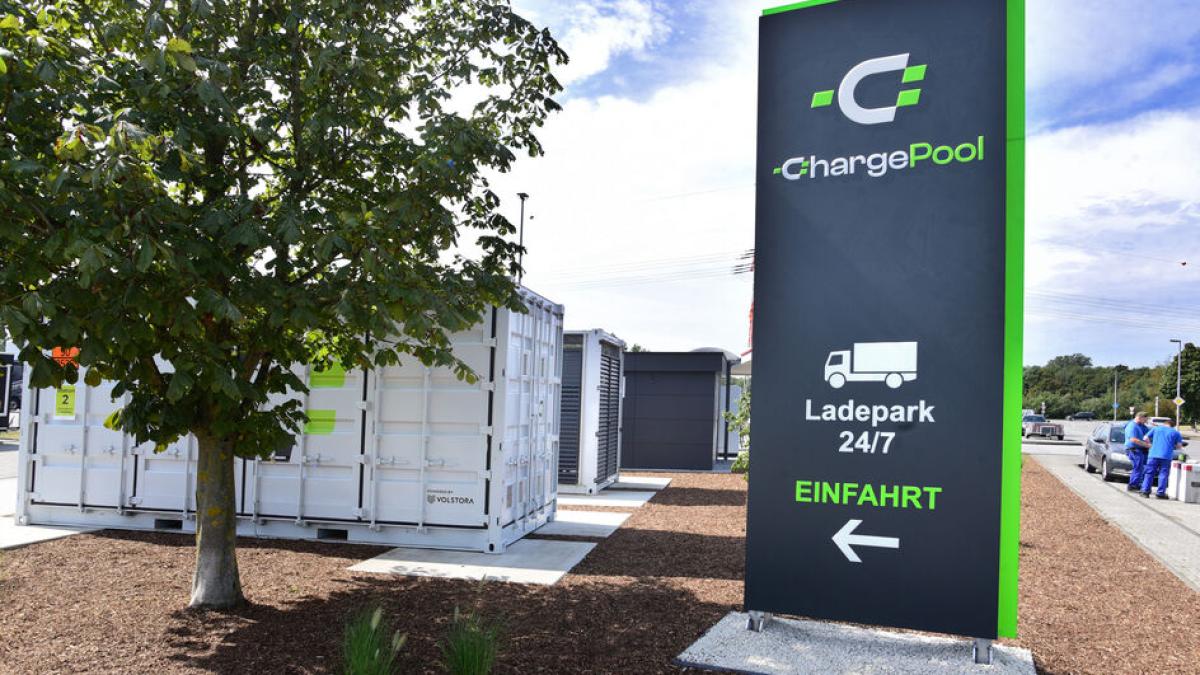
Chargepool completes €6 million project in Rheine
A new hydrogen filling station and truck charging park has opened beside the A30 motorway in Rheine, Germany, according to Neue Osnabrücker Zeitung. The combined facility was implemented by Chargepool at a reported cost of €6 million.
The project expands the alternative-fuel infrastructure available to road freight operators using the A30 corridor. By placing hydrogen refuelling and truck charging at the same site, the development is designed to serve vehicles using two different energy systems rather than committing the location to a single technology.
The information released with the report does not specify the number or power of the truck chargers, the station’s hydrogen storage or daily dispensing capacity, or the pressure at which hydrogen will be supplied. It also does not identify the source of the hydrogen, provide fuel or charging prices, or state how many vehicles the site is expected to handle.
A dual-energy site for freight transport
For fleet operators, the commercial value of the Rheine facility will depend on factors that have not yet been disclosed: vehicle access, operating hours, payment arrangements, charging speed, hydrogen availability and the reliability of both systems. These variables determine whether a station can support scheduled long-distance freight operations or primarily serve local and regional vehicles.
The combination of hydrogen and electric charging nevertheless gives carriers more flexibility than a site dedicated to only one propulsion system. Battery-electric trucks need charging infrastructure compatible with vehicle power requirements and mandatory operating schedules. Hydrogen-powered trucks require dependable fuel supply and sufficient dispensing capacity. Housing both services at one location can concentrate demand, but it also requires Chargepool to operate two distinct energy and equipment chains.
The A30 location is relevant because freight infrastructure produces the greatest operational value when it is accessible from established road routes. A station can reduce detours only if its entrances, layout and equipment accommodate commercial vehicles. The available report identifies the motorway and Rheine location but provides no details on parking capacity, trailer access or whether charging bays can accommodate articulated trucks.
Utilisation will determine the investment case
The €6 million investment creates physical infrastructure, but its market impact will ultimately depend on utilisation. Truck operators generally need predictable access and limited waiting time, while station economics depend on sufficient fuel and electricity sales. Without published throughput targets, fleet commitments or customer agreements, it is too early to assess how quickly the Rheine site can build regular demand.
The opening is still a concrete addition to Germany’s alternative-fuel network for heavy road transport. It gives producers of hydrogen, electricity suppliers, vehicle manufacturers and logistics companies another potential operating point on the A30. Further disclosure on technical capacity, energy sourcing, tariffs and initial customer use will be necessary to measure the project’s role in commercial freight operations.