Hunter Valley coal mine extension nears NSW decision with 429 million tonnes proposed
Glencore and Yancoal are seeking a 19-year extension of Hunter Valley Operations near Singleton, with proposed output of 429 million tonnes of coal. Renew Economy reports that approval is expected despite estimated lifecycle emissions of about 809 million tonnes of carbon dioxide equivalent.
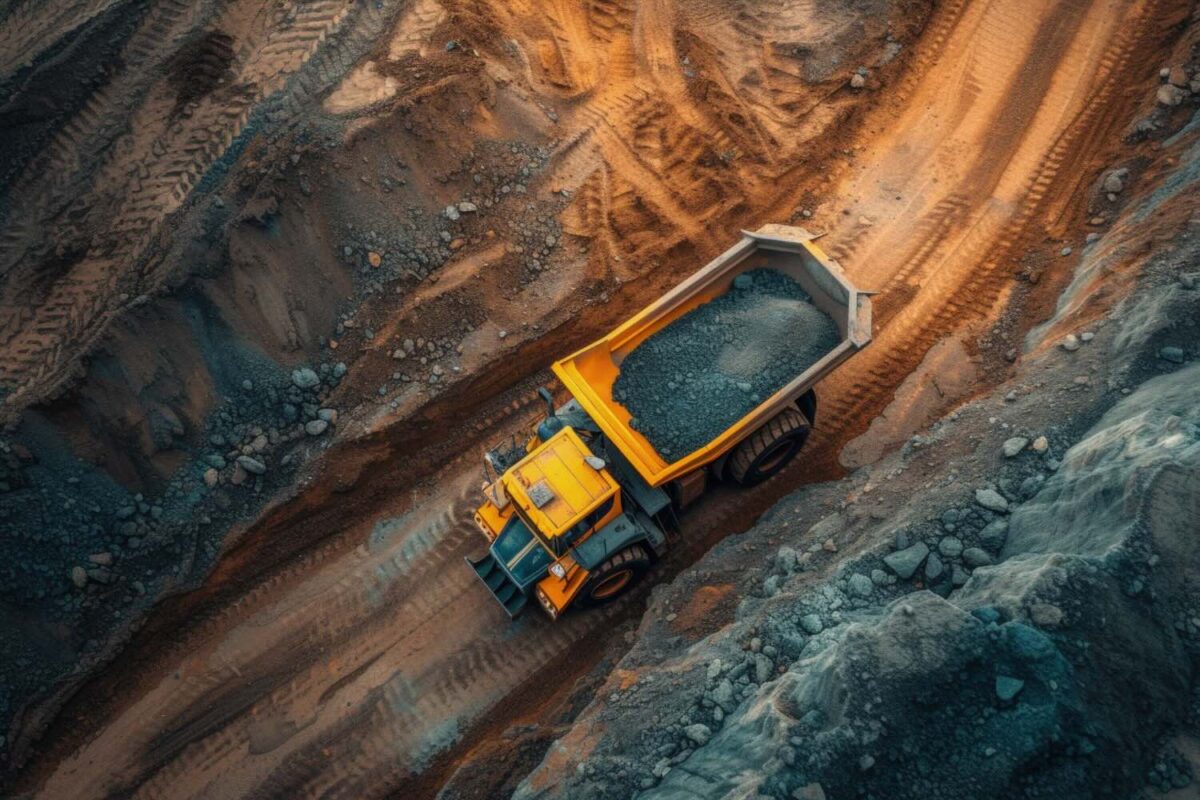
Commission prepares ruling on 19-year extension
New South Wales’ Independent Planning Commission is preparing to rule on a proposed 19-year extension of Hunter Valley Operations, a major coal mine near Singleton owned by Glencore and Yancoal. Renew Economy reported that the decision was due by September 30 and that approval was expected, although the commission said its three reviewing commissioners had not made a final determination.
The proposal covers total production of 429 million tonnes of coal. Burning that volume would generate about 809 million tonnes of carbon dioxide equivalent, according to the project figures cited by Renew Economy—roughly seven times NSW’s current annual carbon pollution. About 98% would be scope 3 emissions associated with transporting and using the coal, rather than emissions produced directly at the mine.
State policy supports extensions of existing mines
The NSW government has ruled out approving greenfield coal mines but continues to consider extensions to existing operations case by case. Its Department of Planning, Housing and Infrastructure classified HVO as state-significant development and found that the proposal was consistent with current policy. The department said emissions had been reduced as far as practicable under state guidance covering avoidance, mitigation and offsets.
The assessment also acknowledged that HVO’s emissions would contribute to local climate impacts. However, NSW planning policy does not give the same weight to overseas scope 3 emissions as it does to emissions produced within the state. Renew Economy therefore expects the commission’s main decision to concern operating conditions rather than whether the extension proceeds.
The policy setting includes the NSW Coal Industry 2026–50 plan, under which miners must reduce their own emissions and may use offsets where direct abatement is not feasible. The state argues that coal will remain economically important through 2050 while international demand persists, even as the industry prepares for a gradual decline.
Coal revenue and climate targets pull in opposite directions
The NSW Net Zero Commission reported that 37 coal mines operated in the state and generated $33.1 billion in export revenue and $3.1 billion in royalties in 2023–24. Coal accounted for 96% of emissions from the resources sector in 2022–23. The commission found that continued mine extensions and expansions were inconsistent with the emissions targets in the state’s Climate Change Act and the temperature goals of the Paris Agreement.
Lock the Gate Alliance opposes the HVO project and describes it as a “carbon bomb.” It argues that planning decisions have generally failed to account for the full climate effects of proposed mines and expansions. Net Zero Commissioner Katerina Kimmorley told a NSW parliamentary inquiry in May that no policy guidance had been proposed to close the planning framework’s gap on scope 3 emissions.
The NSW Minerals Council supports the extension and disputes forecasts of an imminent fall in global coal demand. In a July submission, it argued that any decline would be slower than opponents expect and that NSW’s roughly 2% share of global coal output would be replaced by lower-quality production elsewhere if the state withdrew prematurely. The council said refusal had no basis under existing NSW legislation and policy.
Decision tests Australia’s climate and supply positions
The ruling comes as Prime Minister Anthony Albanese calls for greater climate action while his government supports gas as a firming source for renewable energy. Australia has also signed the Belem Declaration on the transition away from fossil fuels. For coal buyers and producers, an approval would preserve a substantial block of long-term supply from an established Hunter Valley operation. For policymakers, the project highlights the unresolved divide between territorial emissions targets, coal export earnings and the climate impact of fuel consumed overseas.