Hungary’s UBM takes 65% stake in Greek animal-feed producer ELVIZ
Hungarian agrifood group UBM has acquired 65% of Greek animal-feed producer ELVIZ, adding two plants with combined annual capacity of 250,000 tonnes. The transaction lifts UBM’s total feed capacity above 1 million tonnes and gives it a production base for expansion in Greece and neighboring markets.
UBM gains control of a major Greek feed producer
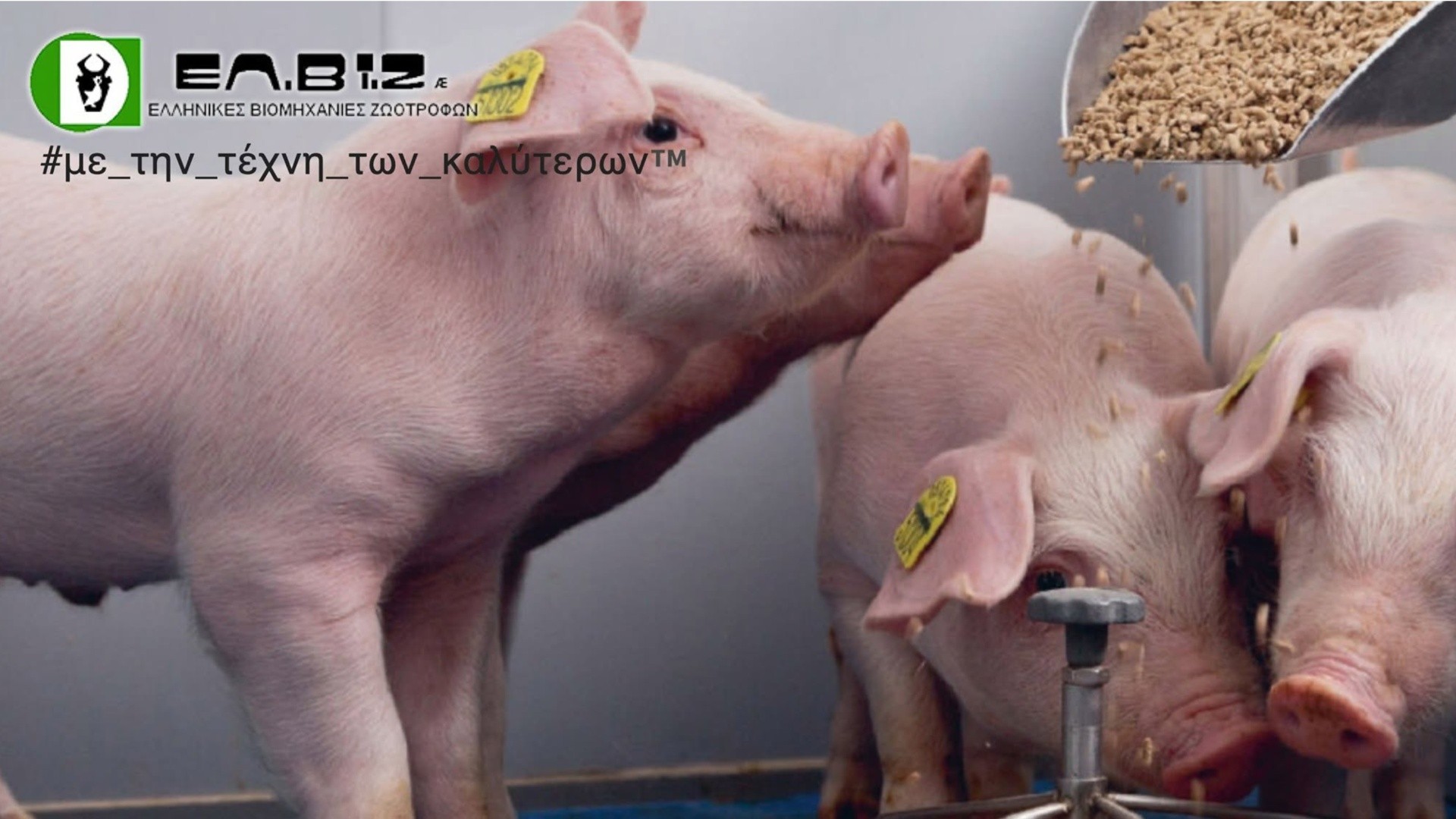
Hungary’s UBM Group has acquired a 65% interest in ELVIZ, one of Greece’s oldest and largest animal-feed producers. The transaction gives the Hungarian agrifood group control of an established supplier to Greek livestock farms and strengthens its production footprint in Southeastern Europe. The agreement was initially disclosed in June and forms part of UBM’s international expansion strategy, according to Topontiki.
UBM is one of Hungary’s largest agrifood groups and a leading domestic feed producer. Its activities also cover trading in grain, oilseeds and protein crops. ELVIZ adds two Greek production plants, located at Platy in Imathia and Petrochori in Xanthi, with combined annual capacity of 250,000 tonnes. Economix reported that UBM’s total annual feed capacity now exceeds 1 million tonnes following the acquisition.
The transaction’s value was not disclosed. Sardelas Petsa Law Firm acted as UBM’s exclusive Greek-law adviser throughout the deal, covering its initial design, legal due diligence, negotiations, signing and completion of the share purchase and shareholders’ agreements.
Modernization plans meet difficult market conditions
UBM plans to improve operating efficiency and modernize technology at ELVIZ’s plants. The program is also intended to support the development of products tailored to the Greek market. UBM chief executive Péter Horváth said Greece offers a stable domestic market and access to export destinations including the Western Balkans. The group also sees longer-term opportunities in Southeastern Europe, the Eastern Mediterranean and, to a lesser extent, the Middle East.
The new owner is entering while ELVIZ faces a mixed commercial picture. The company’s revenue increased by 2% in 2025 to €18.3 million, while sales volume rose by about 10%, Economix reported. Despite the higher volume, ELVIZ recorded a pre-tax loss of €654,000, compared with a profit of €648,000 in 2024. The figures indicate pressure on margins even before the investment and modernization program begins.
ELVIZ reduced its debt during the same period. Long-term borrowings fell to €1.22 million at the end of 2025 from €1.63 million a year earlier, while short-term borrowing declined to €935,000 from €1.58 million. Conditions have nevertheless become harder this year: management said sales were down by a single-digit percentage as animal diseases and their effects on sheep and goat farming weakened demand for feed.
A platform linking Greek production with regional markets
ELVIZ was founded in 1963 as a subsidiary of the then state-owned Agricultural Bank of Greece, with a mandate to help regulate the feed market. Production at the Platy plant began in 1969, and the Petrochori facility was added in 1993. The company has operated both as a buyer of Greek wheat, barley and corn and as a feed supplier to livestock producers. Following changes in the banking sector and the closure of the Agricultural Bank, EUROFARM acquired 99.9% of ELVIZ.
The arrival of UBM creates a cross-border ownership structure combining the Hungarian group’s feed, commodity-trading and technical expertise with EUROFARM’s position in Greece. EUROFARM Group chief executive Vasileios Chalkidis said the shareholders can use their respective advantages and expertise to expand ELVIZ in Greece and the wider Southeastern European region. The immediate test will be whether modernization can restore profitability while livestock disease weighs on domestic demand. Longer term, ELVIZ’s 250,000-tonne capacity gives UBM a potential base for serving the Balkans and Eastern Mediterranean, but the pace of regional expansion and the size of planned investment have not been disclosed.