Hungary faces smallest apple crop in 50 years after frost, drought and heat
Hungary is expected to harvest only 130,000–140,000 tonnes of apples in 2026, the smallest crop in 50 years. Spring frost, drought and summer heat have damaged yields, leaving processors short of raw material and increasing likely demand for imported dessert apples.
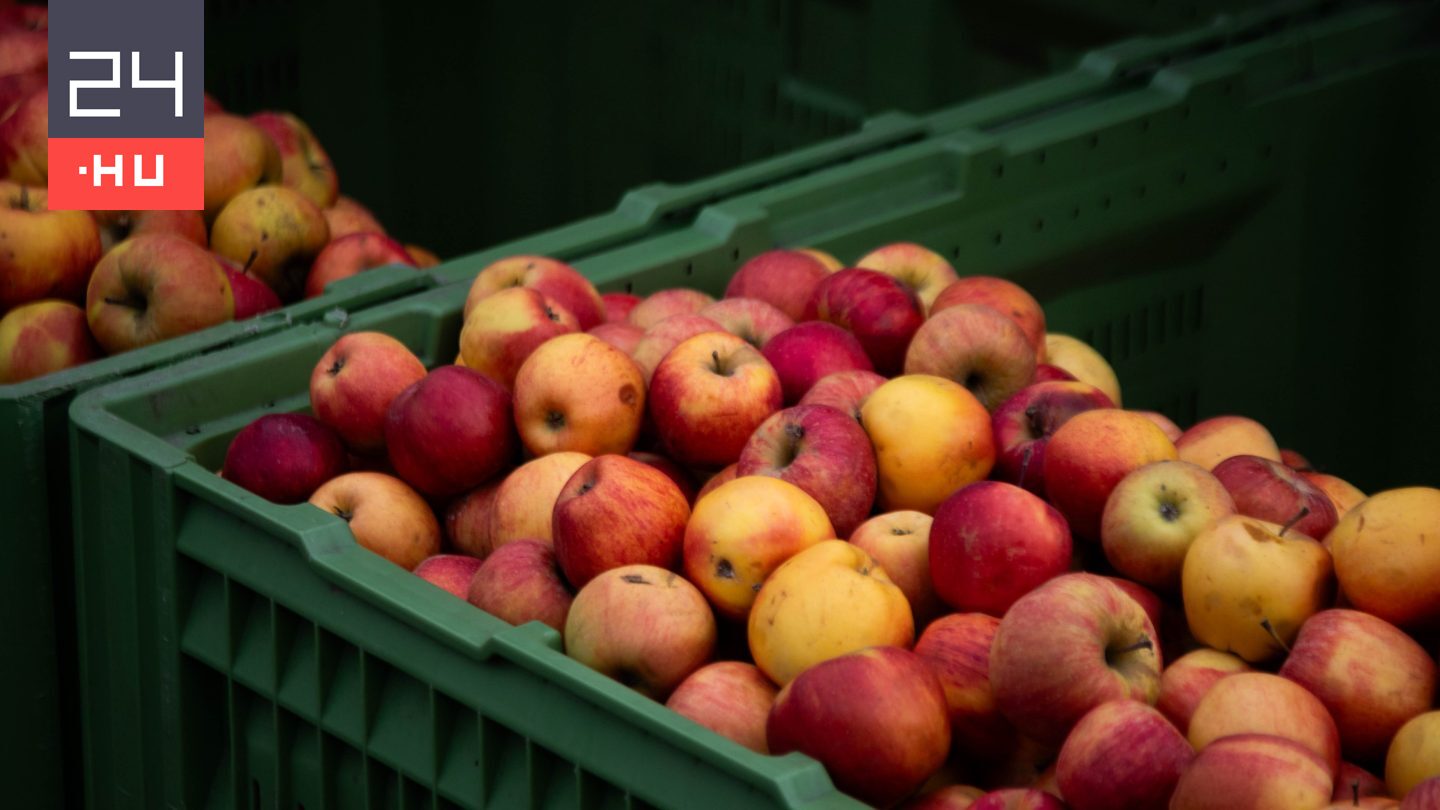
Spring frost cuts the crop by at least 60%
Hungary is heading for its smallest apple harvest in 50 years, according to an analysis by the Hungarian Fruit and Vegetable Interbranch Organisation FruitVeB. Its late-July forecast puts the 2026 crop at only 130,000–140,000 tonnes, compared with 170,000 tonnes in 2025 and the 400,000–500,000 tonnes achievable in favorable seasons.
The damage began with spring frosts, which FruitVeB estimates caused a crop loss of at least 60%. Drought and summer heat then placed further stress on orchards, reducing both the volume and quality of the remaining fruit. Continued dry weather could intensify pre-harvest fruit drop, while apples still on the trees may remain smaller and fail to meet dessert-market specifications.
Processors face a severe raw-material shortage
FruitVeB expects 50,000–60,000 tonnes of this year's crop to enter the dessert-apple market and 70,000–80,000 tonnes to go to industrial processing. That industrial supply is far below Hungary's approximately 350,000 tonnes of processing capacity, which is primarily designed to produce apple concentrate.
The organization warns that such a large and prolonged supply gap could eventually lead to the closure or reduction of processing capacity. Imported fruit is unlikely to fill the plants economically at the current scale of the shortage. The final industrial volume also remains uncertain: if drought further damages size and quality, some fruit originally intended for fresh consumption may be diverted to processing.
The supply collapse has not yet lifted farmgate prices. FruitVeB says opening prices for the season are 30–40% below last year's levels. The base price for processing apples is a net 50–52 forints per kilogram, around 15 forints below 2025 and almost 30 forints below the 2024 level.
Stocks and foreign supply restrain prices
One reason for the weak prices is the continued sale of apples held over from last season across Europe. Hungarian supermarket chains also bought substantial volumes of foreign apples last year, leaving previous-season stocks in storage. FruitVeB says retailers are increasingly turning to more stable foreign suppliers because of uncertainty surrounding Hungarian production.
Significant imports will probably be needed for the dessert market, but availability elsewhere in Europe may also be constrained. The European Union is expected to record its second-smallest apple crop in ten years. According to Blikk, imports have so far helped prevent Hungarian prices from rising sharply, but prices could accelerate once old stocks are exhausted and little new domestic fruit is available.
Poland's supply will be a major influence on Hungarian dessert-apple prices during the autumn. For industrial apples, weather through the harvest period remains the decisive variable. Producers face low output and weak opening prices simultaneously, while processors must compete for a raw-material pool that covers only a fraction of installed capacity. Retailers and importers, meanwhile, will need to secure supply in a European market that is also facing a poor harvest.