Hungary’s apple harvest forecast at 135,000 tonnes, a 50-year low
Hungary’s apple harvest could fall to 135,000 tonnes in 2026, its lowest level in at least five decades. Drought has reduced yields and fruit size, while remaining European stocks may delay substantial price increases until spring.
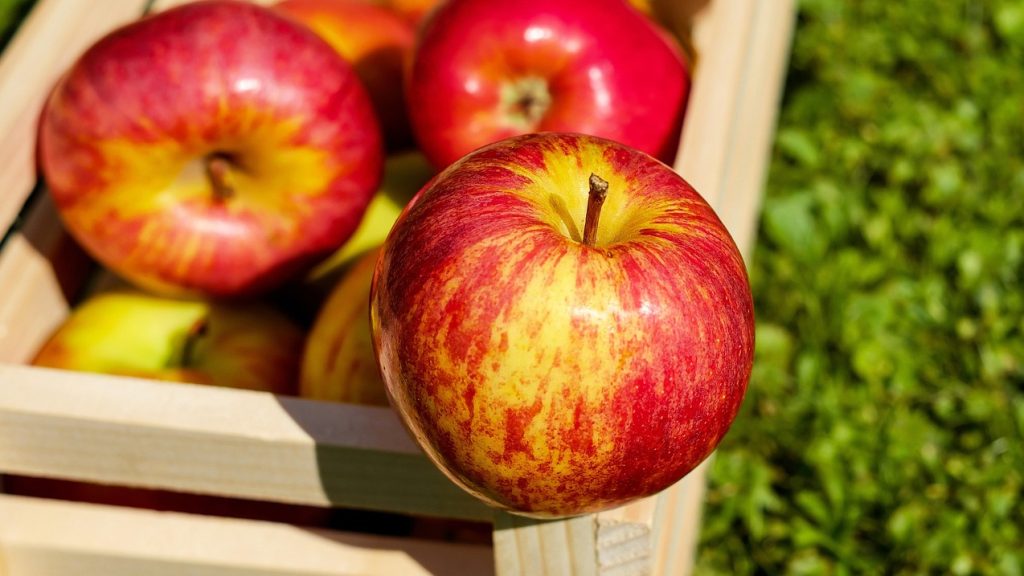
Harvest expected to fall below last year’s record low
Hungary may harvest only 135,000 tonnes of apples in 2026, according to a new forecast from the Hungarian Apple Product Council reported by Sokszínű Vidék. That would be the country’s weakest crop in at least five decades and would take production substantially below the record low registered last year.
Hungarian orchards produced 170,000 tonnes in 2025, already the smallest volume recorded since the country’s statistical series began. The harvest now getting under way could be as much as one-fifth smaller than that result, RTL Híradó reported. The successive lows leave growers with less marketable fruit and reduce the volume available to the domestic fresh market and processing sector.
Drought cuts yields and fruit size across Europe
The main cause of the poor crop is drought. Dry conditions have affected Hungary and large parts of Europe, lowering apple production across the continent. The fruit is also smaller than usual, adding a quality and grading problem to the decline in overall tonnage.
Smaller fruit can change how the crop is divided between fresh consumption and industrial use. Apples that do not meet retail specifications may be directed to processors, but the historically small harvest means processors will still be competing for a limited domestic raw-material pool. Growers, meanwhile, face lower saleable volumes after a season in which weather has constrained both yield and fruit development.
The wider European drought matters for Hungary because reduced production in neighboring markets limits the amount of replacement supply available within the region. Imports can help cover domestic shortages, but a continent-wide decline makes sourcing more difficult for wholesalers, retailers and processors. The source did not provide a forecast for Hungary’s import volumes or processing output.
Existing stocks may postpone price pressure
The sharp production decline does not necessarily mean an immediate surge in apple prices. European storage facilities entered the new season with more apples left from the previous crop than they had a year earlier, according to Sokszínű Vidék. Those inventories may temporarily cushion the effects of the weak Hungarian and European harvests.
The balance is expected to become tighter as stored fruit is sold during the coming months. The Hungarian Apple Product Council expects inventories to fall to levels by next spring that could produce a substantial increase in apple prices. The timing means the market may experience two distinct phases: some protection from carryover stocks early in the season, followed by greater price exposure once those stocks have been depleted.
Supply risks extend from orchards to consumers
For Hungarian producers, the immediate problem is the lack of volume after two exceptionally poor seasons. Even if tighter availability supports prices later, higher prices cannot fully compensate every orchard for a major reduction in harvested fruit. The impact will depend on quality, storage access and whether apples are sold into fresh or processing channels.
Processors and traders must manage a smaller domestic crop while monitoring how quickly European inventories decline. Retail consumers may initially see only limited price movement, but the council’s forecast points to a more difficult supply environment in spring. If stocks contract as expected, Hungary will face stronger competition for available apples and a greater need to source fruit outside its diminished domestic harvest.