Hungarian Fresh-Fruit Prices Fall 12.5% as Apple Imports Expand
Fresh-fruit prices in Hungary fell by an average of 12.5% year on year in July. Domestic apples became cheaper while apple imports increased sharply, but plums moved against the broader market trend.
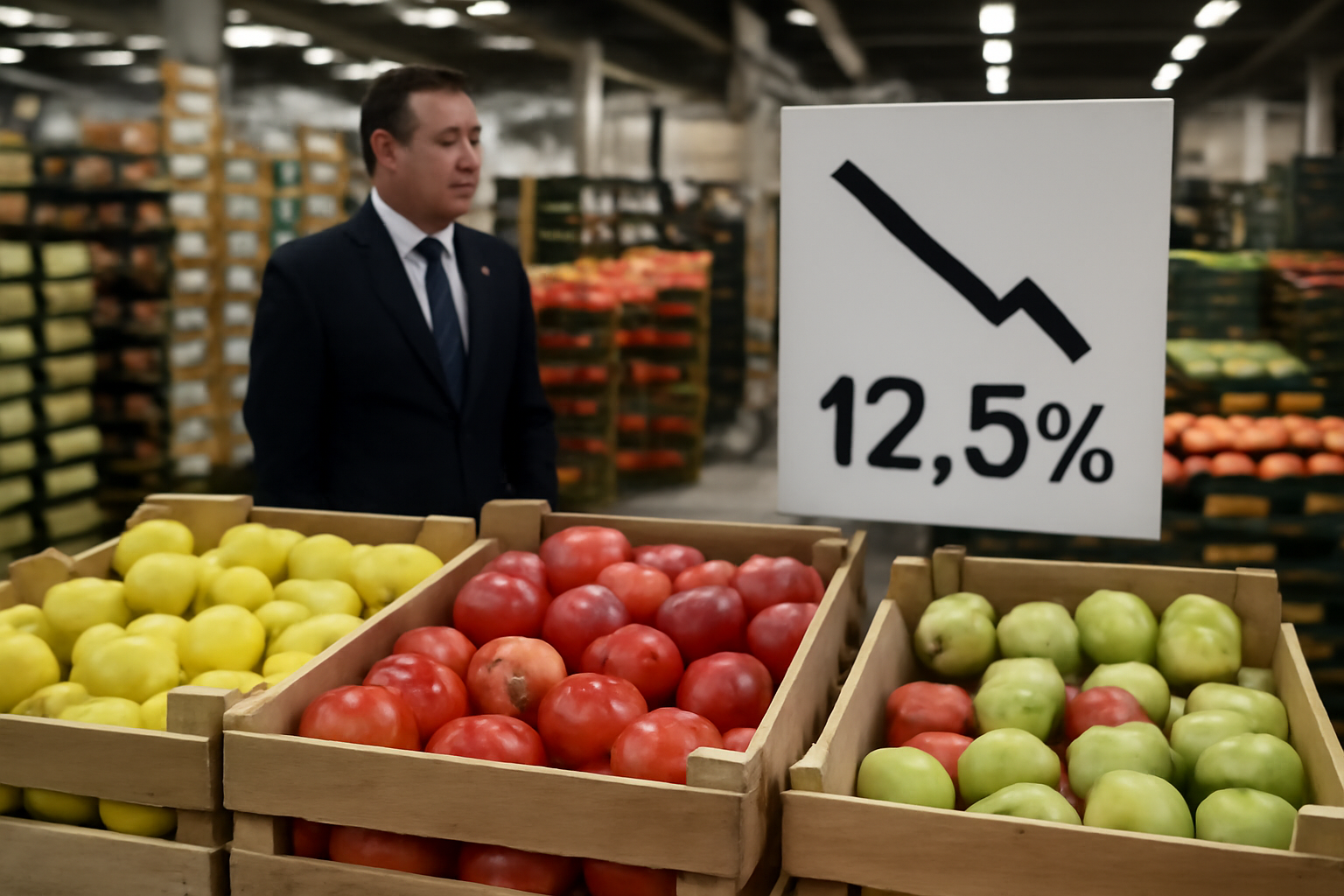
Fresh-fruit prices record a double-digit fall
Fresh-fruit prices in Hungary declined by an average of 12.5% year on year in July, according to Teol.hu. The fall extended across several widely consumed categories, including apples, stone fruit and melons, providing relief for buyers after the previous year’s higher price levels.
The broad decline shows that the change was not limited to a single seasonal product. Apples, apricots or peaches, and melons were all reported to be cheaper than a year earlier. Plums were the notable exception, moving against the general market direction. The available market reports did not provide individual price changes for these products or specify the size of the increase in plum prices.
Cheaper domestic apples meet rising imports
The apple market combined lower prices for Hungarian-grown fruit with a substantial expansion in imports, Szon.hu reported. This means domestic supply faced stronger competition from foreign apples at the same time that prices were already below their year-earlier level.
The reports did not disclose import volumes, supplying countries or the division between fresh-market and processing apples. Even without those details, the simultaneous increase in imports and decline in domestic apple prices is relevant for growers, wholesalers and processors. Growers must sell into a market with more available foreign fruit, while traders and retailers have a broader sourcing base. For processors, lower raw-material prices may reduce procurement costs, depending on quality and contract terms.
Different pressures across the fruit market
The plum market’s divergence indicates that the forces affecting Hungarian fruit were not uniform. Crop availability, harvest timing, quality and the balance between domestic supply and imports can produce different price outcomes even within the same seasonal market. The reported data establish the direction of prices but do not identify which of these factors drove the contrast.
For industry participants, the next important indicators will be domestic harvest availability and the persistence of apple inflows. If imports remain elevated while local apples continue reaching the market, competition could stay strong for producers and create more purchasing options for traders, retailers and processors. Plums require separate monitoring because their price movement did not follow the 12.5% average decline recorded for fresh fruit. The July figures therefore describe a market with broadly cheaper produce, but with materially different conditions between individual crops.