HSBC expects oil market imbalance to persist until mid-2027
HSBC expects geopolitical tensions and constrained flows through the Strait of Hormuz to keep the global oil market out of balance until at least mid-2027. The bank raised its 2026 Brent forecast to $90 a barrel, while continued conflict could push prices toward $120.
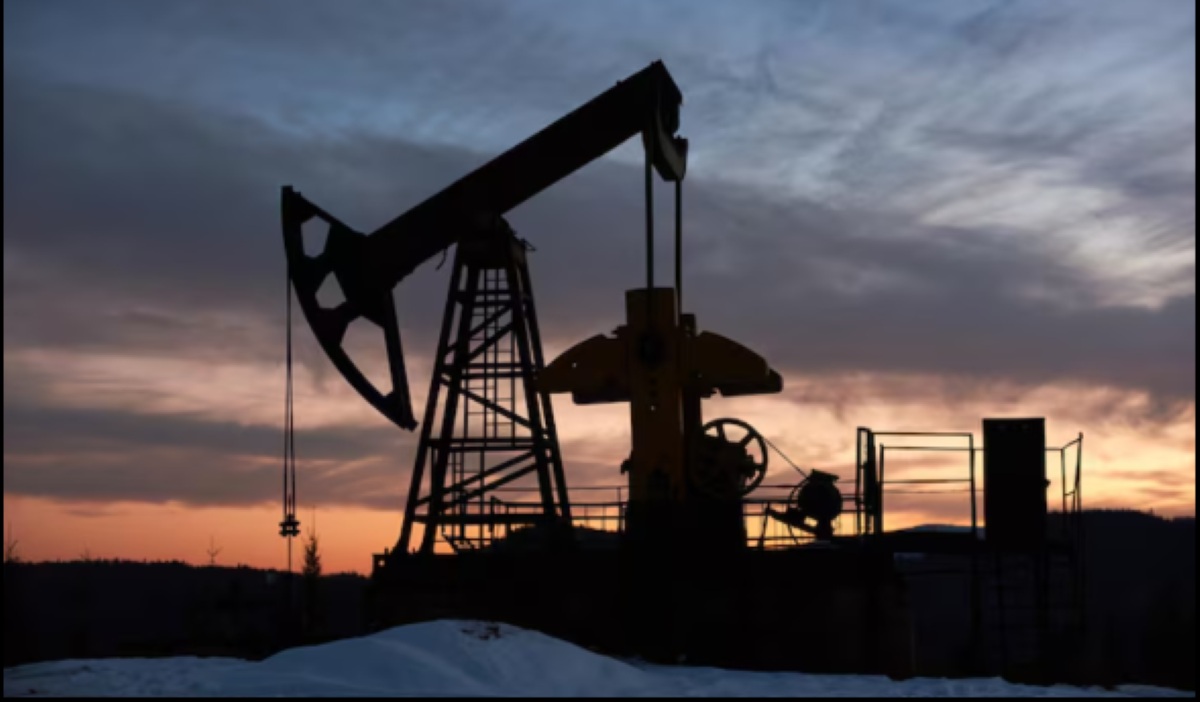
Hormuz flows remain the central constraint
The global oil market may not return to balance until at least mid-2027 as geopolitical tensions continue across the Middle East, according to an HSBC assessment reported by Media Indonesia. The bank’s base case assumes a fragile understanding between the United States and Iran, but repeated breakdowns and unresolved security and insurance risks could continue to restrict the movement of crude oil.
The Strait of Hormuz is the central variable in that outlook. HSBC expects oil flows through the waterway to rise from the current 6 million barrels per day to 8 million barrels per day by the end of the year and 9.5 million barrels per day by mid-2027. Even at that point, volumes would remain far below the pre-conflict level of 19 million to 20 million barrels per day.
That gap suggests a slow recovery rather than a rapid normalization of supply. The strait is a critical route for producers in the Gulf, and lower throughput can affect the availability and delivery cost of crude for refiners and importers beyond the region. Security threats can also influence freight capacity and insurance terms even when some physical shipments continue.
HSBC raises its Brent forecast
HSBC increased its Brent crude forecast for 2026 to $90 a barrel from $80 because of the tighter supply outlook. The headline projection reported by Media Indonesia also indicated that Brent could approach $120 a barrel if the conflict sustains severe disruption. The difference between the bank’s base forecast and that higher level underlines how strongly prices depend on the security of shipping routes and the durability of any US-Iran understanding.
For producers, an extended period of restricted supply could support realized prices, although the benefit would be uneven if export routes remain constrained. Refiners and oil-importing economies would face greater feedstock costs and more uncertainty over delivery schedules. Traders would need to price not only the volume of crude available but also the risk that tankers, insurers or shipowners become less willing to operate in exposed waters.
Military escalation adds to supply risk
ANZ Research reported that the US military destroyed five Iranian tankers in response to an attempted ballistic-missile attack on a US Navy warship. A senior Iranian official said the country was prepared for a more intense war and would increase retaliatory attacks if the United States continued striking Iranian territory and infrastructure. Media Indonesia also reported sharp gains in Brent and WTI following US and Saudi attacks against Iranian proxies in Iraq and amid tensions in the Red Sea.
The outlook therefore depends on more than nominal production capacity. The pace at which Hormuz traffic recovers, the cost and availability of marine insurance, and the risk of further attacks will determine how much oil can reliably reach buyers. HSBC’s projected increase to 9.5 million barrels per day by mid-2027 would still restore only about half of the pre-conflict flow. Unless security conditions improve enough to close that gap, producers, refiners, shipping companies and importers will continue operating in a market shaped by constrained logistics and a substantial geopolitical premium.