Houthis Raise Fuel Prices by Up to 21% in Yemen, Citing Import Costs
Petrol and diesel prices have risen by as much as 21% in Houthi-controlled areas of Yemen. The Houthis attributed the first increase in roughly three years to higher import costs.
First increase in roughly three years
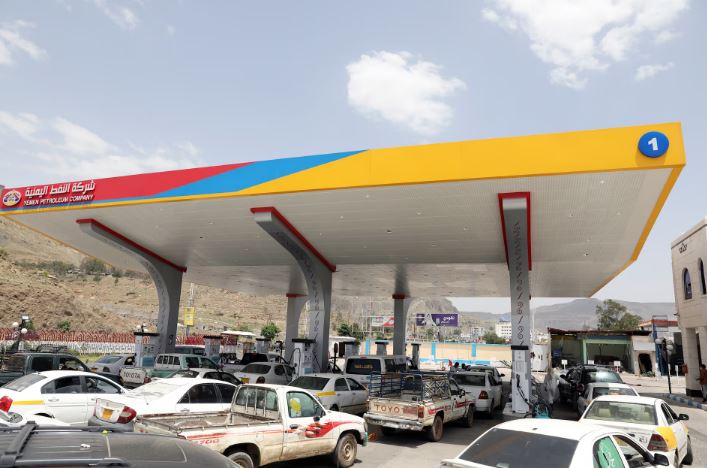
Petrol and diesel prices rose by as much as 21% on Monday in areas of northern and western Yemen controlled by the Houthi movement, marking the first approved fuel-price increase there in roughly three years. Reuters reported the change based on accounts from residents and an official at the oil company administered by the group.
The increase affects two fuels central to daily transport and commercial activity. Petrol is widely used by private vehicles and smaller businesses, while diesel supports freight transport, machinery and local power generation. A rise of up to 21% therefore reaches beyond filling stations, potentially increasing operating costs across distribution networks and other fuel-dependent services.
Higher import costs cited
The Houthis attributed the adjustment to higher import costs, according to Shorouk News. No detailed breakdown of those costs was provided in the available source material, and no new retail prices or separate percentage changes for petrol and diesel were specified. The reported figure of up to 21% indicates that the increase may differ by fuel or sales category.
Yemen’s dependence on imported fuel makes the domestic market sensitive to costs incurred before products reach local distributors. These may influence the amount paid at the retail level, although the available reports do not identify which individual cost components drove the latest decision. The explanation given by the authorities places the immediate cause outside the filling-station network and at the import stage of supply.
Pressure on consumers and distribution
For households, the direct effect is a higher cost for personal transport and for diesel used in equipment or electricity generation. The indirect effect may be broader because fuel is an input for moving food, consumer goods and industrial supplies. Transport operators and merchants must either absorb the additional expense, reduce activity or pass part of it through to customers.
Local fuel distributors also face a change in working-capital requirements. When the unit cost of petrol and diesel rises, more cash is needed to purchase and hold the same volume of inventory. Smaller operators may be more exposed because they have less capacity to finance stocks or tolerate slower sales after a price increase.
The timing is significant because prices had reportedly remained unchanged for roughly three years. A single increase of up to 21% after that period creates a sharper adjustment for consumers than a series of smaller changes, even though the reports do not provide data on demand, sales volumes or household expenditure.
Market implications
For importers and traders supplying Houthi-controlled areas, the new prices may improve recovery of higher import-related expenses. That does not necessarily mean stronger margins: the result will depend on procurement costs, distribution charges and how fuel demand responds to the increase. None of those figures was disclosed in the source material.
The immediate market test will be whether petrol and diesel remain consistently available through local distribution channels and whether higher transport costs spread into other prices. With no detailed cost formula or fuel-specific retail schedule included in the reports, market participants will need to assess the change through actual station prices, supply conditions and purchasing patterns in the affected areas.