Renewed Houthi conflict in the Red Sea revives oil price risk for importers such as Indonesia
The Indonesian business publication Investor Daily reports that renewed Houthi conflict in the Red Sea has the potential to push world oil prices higher and raise import costs for Indonesia. The report does not quantify the possible price increase and does not indicate any interruption to physical crude supply. For traders and importers, the immediate variables are war-risk insurance, routing decisions and freight rates.
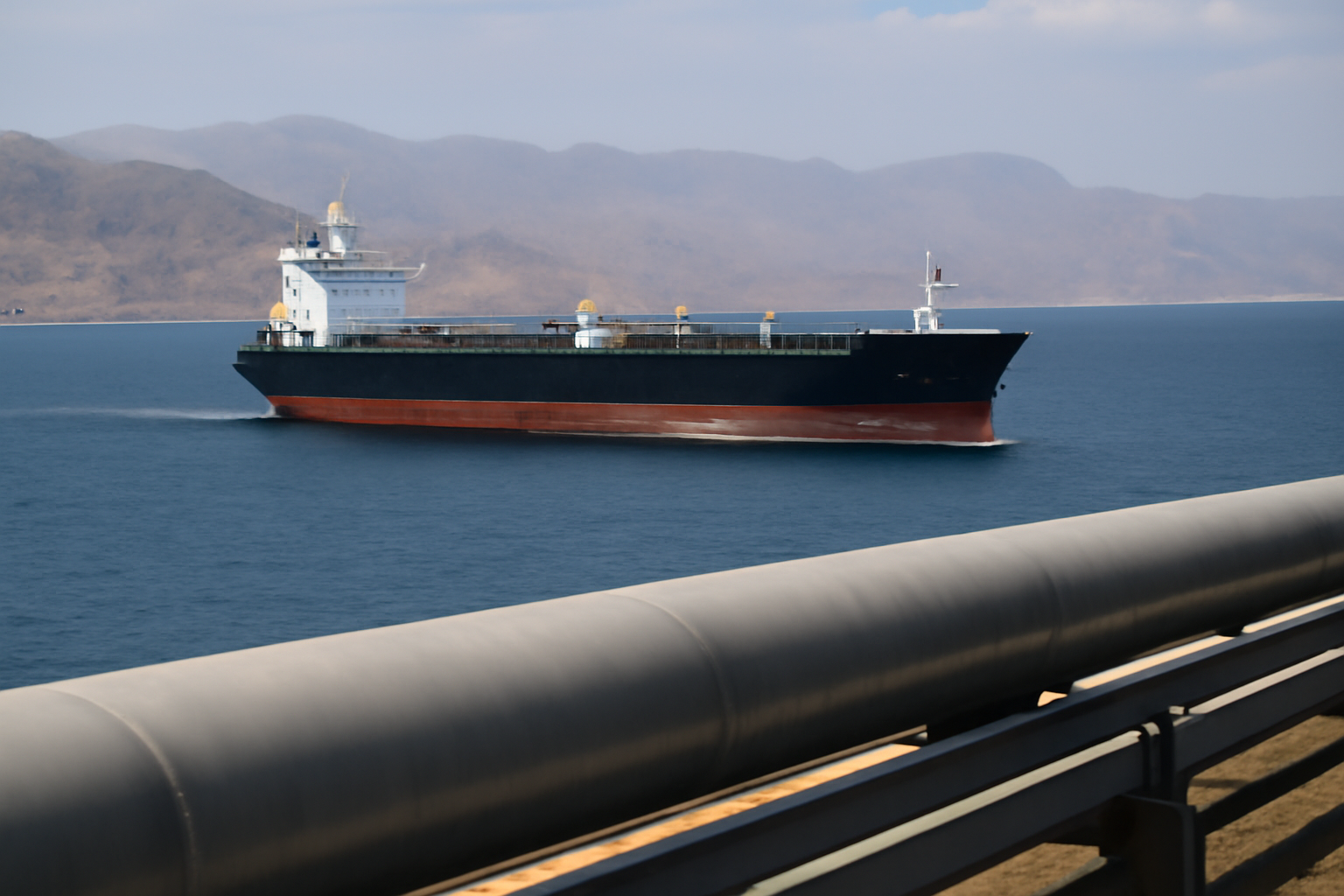
Renewed conflict involving Houthi forces in the Red Sea has revived concerns about global crude oil prices and about the fuel import bills of large consuming economies, with Indonesia among the countries exposed, the Indonesian business publication Investor Daily reported.
Risk premium returns to a critical oil corridor
The Red Sea is one of the world's most heavily used shipping corridors for energy. Crude oil, refined products, liquefied natural gas and containerised cargo moving between the Gulf, Asia and Europe pass through the Bab el-Mandeb strait at its southern end and the Suez Canal at its northern end. Attacks, or the credible threat of attacks, on merchant vessels in that stretch of water affect not only the ships directly involved but the pricing of every cargo whose owner has to decide between transiting and diverting.
Investor Daily reports that the renewed Houthi conflict has the potential to lift world oil prices. The publication does not attach a figure to the possible increase and gives no specific price forecast. For traders and refiners the mechanism is familiar from earlier rounds of tension in the same corridor: war-risk insurance premiums rise first, charter rates for tankers and container ships follow, and shipowners weigh the extra voyage days of a route around the Cape of Good Hope against the risk of a direct transit.
Why Indonesia is exposed
Indonesia is a net importer of crude oil and refined fuels, and Investor Daily frames the Red Sea escalation primarily as an import-cost problem for the Indonesian economy. Higher benchmark crude prices feed through to the landed cost of the gasoline, diesel and other products the country buys on the international market. That cost is carried by refiners and fuel distributors first, then transmitted to domestic prices, to the trade balance and to the currency, depending on how much of the increase is absorbed rather than passed on.
The report does not quantify the potential impact on Indonesia's import bill, on inflation or on economic growth. It presents the Red Sea escalation as a risk factor for the economy rather than as a shock that has already materialised, which leaves the size of the effect dependent on how long the disruption lasts and how much of a security premium the market keeps in the price.
What market participants are watching
For producers, traders, shipowners and importers, the practical questions raised by the report are narrower than the headline risk:
- whether tanker and container traffic continues to transit Bab el-Mandeb or reroutes around southern Africa, adding voyage days and tonne-miles;
- war-risk insurance premiums for voyages through the corridor, historically the fastest-moving cost when tension rises;
- the spread between crude benchmarks and regional refined-product prices in Asia, which shows where the additional cost is actually landing;
- currency and fiscal exposure in net fuel-importing economies such as Indonesia, where a sustained oil-price increase shows up directly in the import bill.
Oil markets have repeatedly priced in and then unwound Red Sea risk premiums over the course of this conflict, responding to the perceived probability of supply disruption rather than to confirmed losses of barrels. Nothing in the Investor Daily report indicates that physical crude supply has been interrupted. The risk described is a security and freight risk that expresses itself through prices, insurance and routing decisions, and its duration will determine whether importers treat it as a passing spike or adjust procurement and hedging accordingly.