Hormuz disruption risk keeps crude oil elevated despite Iran-Oman understanding
An understanding between Iran and Oman has not removed the risk of continued disruption around the Strait of Hormuz. Elevated crude prices are increasing pressure on India, which is paying a heavy import bill even while purchasing less oil.
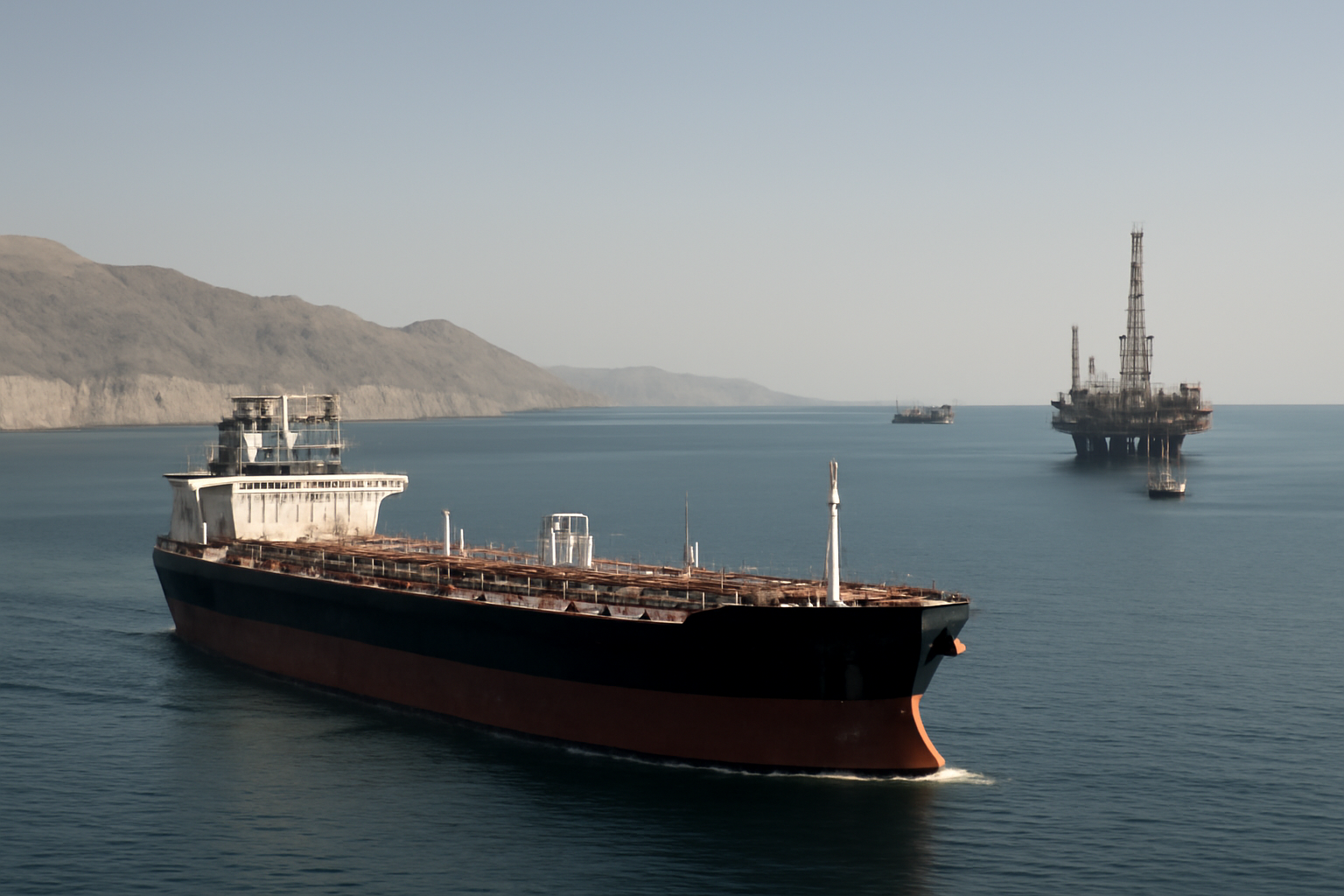
Iran-Oman understanding fails to remove supply risk
An understanding between Iran and Oman has not been enough to calm concerns surrounding the Strait of Hormuz. The available source material describes continued disruption around the waterway and says crude oil prices remain elevated despite the diplomatic development. It does not provide the terms, date or implementation details of the understanding.
The continuing uncertainty matters because the market is still pricing the possibility that tensions involving the United States and Iran could affect oil movements. The source does not quantify the disruption or identify individual cargoes, terminals or producers affected. It nevertheless presents the situation around Hormuz as the main reason oil prices have retained their upward momentum.
India faces a heavier oil bill
India is among the countries most exposed to the price impact. According to the supplied report, rising crude prices are adding to the country’s financial burden. India is paying a large oil bill even though it is buying less crude, showing that the increase in the cost of each purchased unit is outweighing the effect of lower volumes.
No crude benchmark, price level, import volume or bill value is stated in the source material. That limits any assessment of the precise financial impact. The direction of pressure is clear, however: a sustained period of expensive crude would raise procurement costs for Indian buyers and leave refiners, fuel suppliers and other market participants more exposed to price volatility.
Physical flows remain the key market test
For oil traders and refiners, the practical test will be whether the Iran-Oman understanding leads to safer and more predictable movement around Hormuz. A diplomatic agreement can reduce risk expectations, but prices may stay elevated when market participants still see a possibility of interrupted shipments. The available report indicates that this risk has not yet disappeared.
The absence of detailed terms also makes it difficult to judge whether the understanding addresses navigation, security or only wider political tensions. Until its effect on physical oil flows becomes clearer, buyers may continue to treat the region as a source of supply uncertainty. That can influence purchasing schedules, inventory decisions and the price buyers are prepared to pay for crude.
India’s position illustrates the immediate commercial consequence. Lower purchasing volumes do not necessarily deliver a smaller bill when crude prices rise sharply enough. For importers, the central issue is therefore not only how much oil is available, but also whether continued tension around Hormuz keeps the acquisition cost high. The next signal for the market will come from actual shipping conditions and crude prices rather than the announcement alone.