Hormuz disruption and tighter Indian controls deepen Nepal’s fertilizer shortage
Nepali farmers are facing shortages of urea and DAP after disruption at the Strait of Hormuz and tighter Indian controls constrained supplies. The government is under pressure to deliver fertilizer in time, although the available report provides no figures for volumes, prices or delivery schedules.
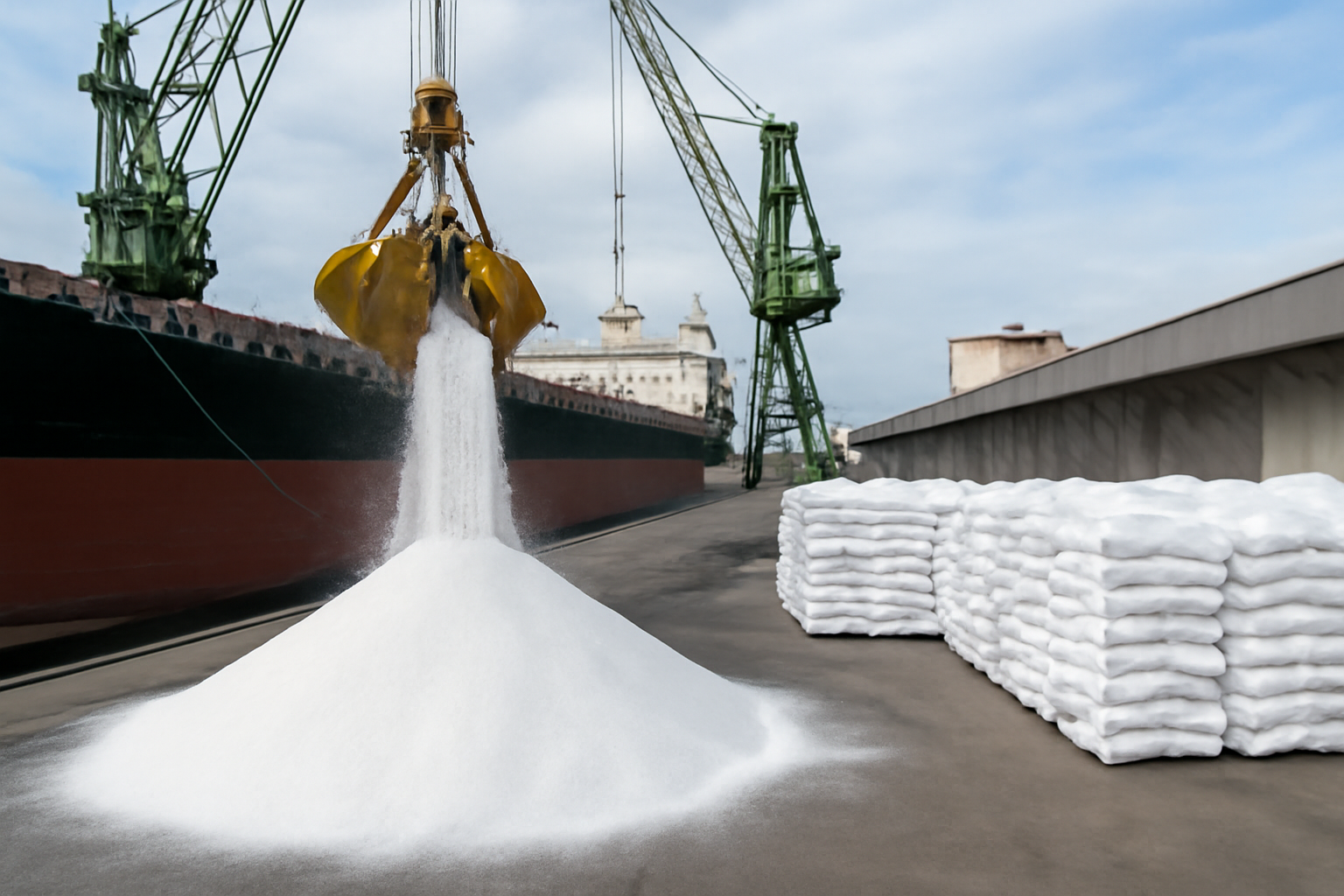
Nepali farmers face a tighter fertilizer market
Nepal’s shortage of urea and diammonium phosphate, or DAP, has intensified as disruption at the Strait of Hormuz combines with tighter controls on supplies moving from India. Farmers are struggling to obtain fertilizer, while the government faces criticism for failing to make the two key products available on time.
The available report describes the situation as a crisis for Nepali farmers but does not provide figures for the supply deficit, affected acreage, fertilizer prices or the quantities expected from India. It also gives no delivery timetable. That lack of visibility makes it difficult for farmers, distributors and agricultural processors to plan purchases and production.
Urea and DAP supplies are both affected
Urea and DAP perform different functions in crop nutrition, so simultaneous shortages restrict farmers’ ability to adjust their purchasing plans. Replacing one product with the other is not a straightforward solution. If supplies arrive after the relevant application period, their value to the current crop cycle may be reduced even if the total volume eventually reaches the market.
The Strait of Hormuz disruption adds uncertainty upstream, while stricter Indian action narrows Nepal’s nearby supply options. The report does not identify the companies, ports or transport routes involved, and it does not specify whether the disruption concerns production, international shipping, cross-border movement or a combination of these factors. However, pressure at more than one point in the supply chain raises the risk of delayed deliveries to local dealers and farmers.
Government faces pressure over timing
The political focus is now on the authorities’ ability to secure and distribute fertilizer before farmers lose the opportunity to apply it. Balen Shah is identified in the report as facing pressure over the shortage. No procurement contracts, emergency allocations or confirmed release dates are provided, leaving market participants without a clear indication of when availability may improve.
For fertilizer traders, uncertainty over timing complicates inventory and transport decisions. For farmers, the immediate issue is access rather than the eventual size of a procurement programme. Processors and crop buyers also have an interest in the outcome because delayed or inadequate fertilizer application can affect farm production and the supply of agricultural raw materials.
Market awaits confirmed supply details
The next material signals will be confirmed shipment volumes, border-release arrangements and distribution dates. Price information will also matter because physical availability does not guarantee affordability. Until those details emerge, farmers and dealers must operate without a reliable view of how much urea and DAP will reach Nepal or when it will become available.
The episode highlights Nepal’s exposure when an international transport disruption coincides with tighter access through India. Restoring confidence will require more than an announcement of future purchases: farmers need fertilizer at the relevant point in the crop calendar, while distributors need firm quantities and schedules to move supplies into agricultural areas.