Drought leaves Honduras with only 15,000 quintals of food-grade maize in state reserves
Honduras has about 66,000 quintals of maize in state warehouses, but only 15,000 quintals are fit for human consumption. The IHMA is considering imports and other supply measures, while its bean reserves remain sufficient for the domestic market.
Food-grade stocks fall to 15,000 quintals
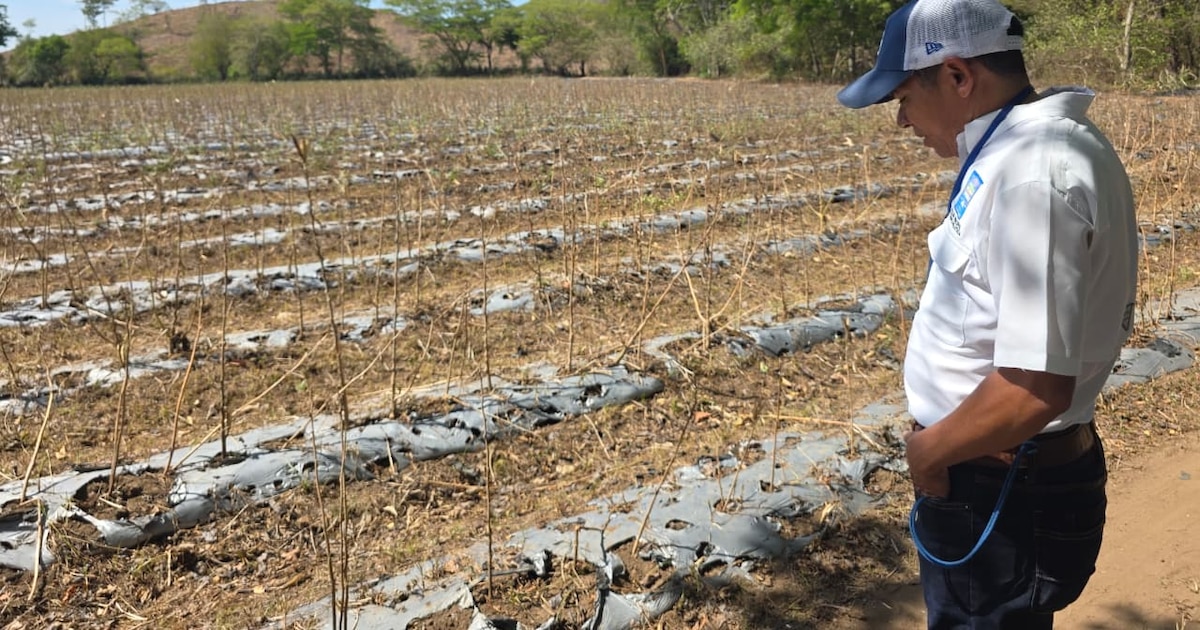
Honduras is facing constrained maize availability after drought reduced production across several farming regions. The Honduran Agricultural Marketing Institute (IHMA) holds about 66,000 quintals of maize, but only approximately 15,000 quintals meet the conditions required for human consumption. The remainder will be used to produce animal feed, according to Infobae and Hondudiario.
The figures leave less than one-quarter of the institute’s maize inventory available for food. IHMA general manager Allan Castillo said the agency is not making new maize purchases because domestic availability is low and its cost analysis indicates that buying, storing and subsequently selling grain could generate losses for the state.
The institute is assessing whether to increase inventories, turn to imports or adopt other measures to prevent tighter supply from reaching consumers. Its decision will also reflect the way maize is consumed in Honduras: Castillo said a significant share of national demand is concentrated in processed products, particularly flour, rather than grain sold directly to households.
Bean reserves provide a buffer
The position in beans is more secure. IHMA warehouses hold about 110,000 quintals of beans from the 2026 harvest, giving the agency enough inventory to supply the domestic market and respond to disruption caused by the drought. Part of the stock has already been sold through the National Supplier of Basic Products, known as Banasupro.
Some of the beans were purchased directly from Honduran producers. Another portion was imported from Nicaragua because domestic production was insufficient to cover market requirements. Castillo said such purchases are permitted under IHMA’s mandate when conditions in the national market make imports necessary.
IHMA is now considering whether to continue buying beans, prioritize this commodity over other products or add another food item to its procurement and storage program. The contrast between the two grains is significant: bean inventories give the government room to manage supply, while the limited volume of food-grade maize narrows its options.
Livestock producers face higher feed pressure
The drought is also reducing pasture and forage availability in southern Honduras. The Ministry of Agriculture and Livestock delivered more than 410,000 pounds of maize silage to 410 small livestock producers in the municipalities of Pespire and San Antonio de Flores, in the department of Choluteca. The assistance is intended to provide an alternative source of feed as dry conditions reduce vegetation.
Lower forage availability raises costs for small producers and increases the risk that cattle will lose weight or produce less milk and meat. If the drought persists, the shortage of feed could also increase livestock losses. The allocation of most IHMA maize stocks to animal-feed concentrate therefore supports a market facing immediate pressure, but does not resolve the shortage of grain suitable for people.
Future supply decisions will depend on rainfall and the performance of domestic crops. Honduras currently has a bean reserve capable of cushioning the market, partly supported by imports from Nicaragua. For maize, authorities must balance the cost of holding grain against the need to secure food-grade supplies and maintain feed availability for livestock producers.