Hokkaido garlic acreage doubles in nine years as regional brands expand
Hokkaido’s garlic acreage roughly doubled over the nine years from 2015, making the prefecture Japan’s second-largest producing region. Local growers are building brands around native varieties, processed products and direct sales, while warmer conditions may shift more production northward.
Garlic cultivation moves north
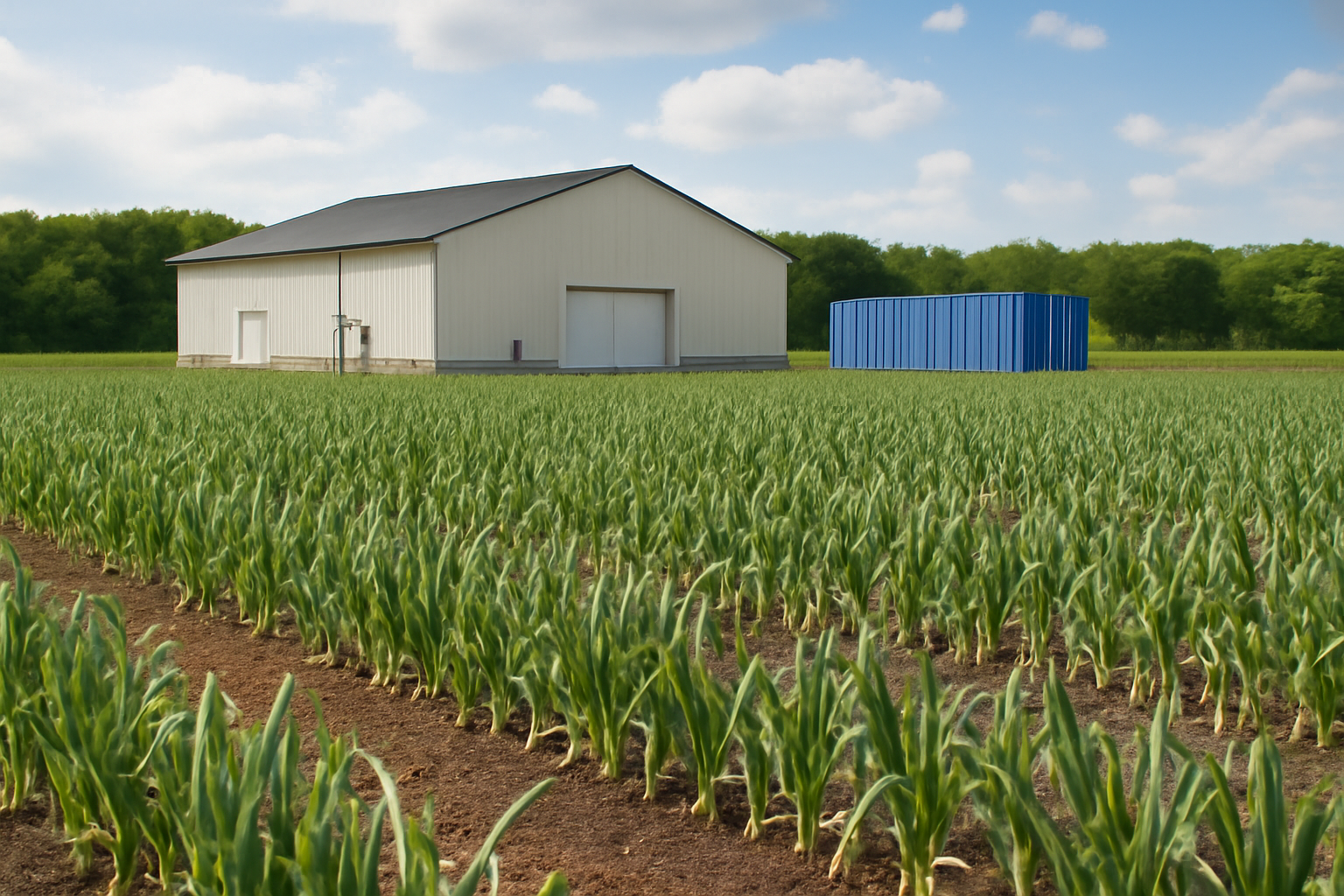
Garlic acreage in Hokkaido roughly doubled during the nine years from 2015, according to STV News Hokkaido. The expansion has made the northern prefecture Japan’s second-largest garlic-producing region, although Aomori Prefecture continues to account for most domestic output.
The trend reflects both production conditions and changing consumer demand. Yoshihito Arakawa, visiting professor at Sapporo University of Health Sciences, told STV News Hokkaido that excessive temperatures can make garlic harder to cultivate on Japan’s main island and reduce yields. He expects Hokkaido to become a more important producing region as the climate warms. Japan’s ageing population and stronger interest in health are also supporting garlic consumption, he said.
Regional varieties become commercial brands
In Tokoro, part of Kitami city, farmers have grown a native Hokkaido garlic variety since the Meiji era. The crop is planted in autumn, survives the winter and is harvested in summer. Its skin turns pink under cold winter conditions, providing the defining feature of the Tokoro Pink Garlic brand. Growers say the variety has pronounced pungency when raw but becomes notably sweeter after cooking.
Only eight farms now cultivate garlic in Tokoro, reflecting the difficulty of crop management and an ageing producer base. The local growers’ association is nevertheless working to preserve the variety. Tokoro Pink Garlic has been used by restaurants and has previously featured in collaborations with a major convenience-store chain and a confectionery manufacturer, extending the brand beyond its production area.
Processing and direct sales diversify farm income
A separate project began cultivating Diamond Garlic in Biei, in the Kamikawa area, in 2017. Planting, harvesting and drying are performed by hand, and the process through shipment takes more than one year. The business also produces aged black garlic and sells garlic-based products through a specialist store in Sapporo, including pasta sauce, hot sauce and mayonnaise.
The project combines farming, processing and retailing in what Japan describes as a sixth-sector model. Farmer Satoshi Arai told STV News Hokkaido that processed products can provide income during winter, when agricultural revenue otherwise declines. The brand is also used in a limited-time soup curry containing about six whole garlic bulbs, demonstrating how restaurants can create demand for differentiated local produce.
Growth still depends on labor and positioning
Hokkaido’s temperature variation is central to the identity of both brands. Tokoro growers associate it with the pink skin and strong flavor of their native variety, while the Diamond Garlic project views Hokkaido’s climate and farmland as favorable for crop development. Adequate rain also supported good size in Tokoro’s latest reported crop.
The acreage increase shows that garlic is gaining a larger place in Hokkaido agriculture, but the eight-farm base in Tokoro illustrates the limits imposed by labor-intensive cultivation and producer ageing. Future growth will depend not only on suitable weather, but also on whether branded fresh garlic, processed foods and restaurant partnerships can generate enough value to sustain growers through a production cycle lasting more than a year.