Berlin trader HMS expands coal flows between Africa and Asia as global output hits record
Berlin-based HMS is expanding coal and industrial commodity trading across Africa and Asia while Germany prepares to exit coal by 2038. The company reported revenue above €1.2 billion in 2025 and is targeting €2 billion this year as global coal production reaches a record 8.5 billion tonnes.
Berlin base, Asian customers
Germany plans to phase out coal by 2038, but a Berlin-based commodity trader is building a growing business around demand in India and Southeast Asia. HMS sources coal in markets including Indonesia and transports it by chartered vessels to customers such as Indian buyers, according to taz. The company conducts practically no business in Germany or the rest of Europe.
HMS does not own the ships used in its trades. Chief executive Dennis Schwindt told taz that the company generally takes ownership of a cargo once it is aboard the vessel and transfers it to the buyer when it reaches the destination port. The model is based on buying and reselling at a small margin rather than operating logistics or taking speculative positions. A typical vessel carries around 50,000 tonnes of coal, according to chief financial officer Jens Moir.
The company traces its origins to the foreign-trade experience of founder Heinz Schernikau, who established HMS with his wife in 1995. Its initials refer to Heinz and Michaela Schernikau. The business initially imported coal into Germany, but large domestic consumers already had their own purchasing operations. HMS consequently shifted toward international markets, particularly the faster-growing economies of Southeast Asia and India. It has been listed on the stock exchange since 2008.
Revenue rises as product range broadens
HMS revenue increased from €215 million in 2019 to more than €1.2 billion in 2025, taz reported. The company is targeting the €2 billion threshold this year. It employs around 100 people worldwide and competes with much larger commodity groups, including Switzerland-based Glencore and Singapore-based Trafigura.
Its customers now include large state entities, among them electricity suppliers and the military in Vietnam. Demand is tied not only to power generation but also to industrial production. Moir said growing Asian economies require large quantities of steel and cement, industries in which coal is used both as a fuel and as a production input.
The portfolio extends beyond coal to iron ore, manganese and occasional cement cargoes. Since the second half of 2025, HMS has also traded marine fuel and lubricants at the major ports of Shanghai, Singapore and Dubai. The expansion gives the company exposure to shipping demand as well as the underlying movement of bulk commodities.
African mines and a record global market
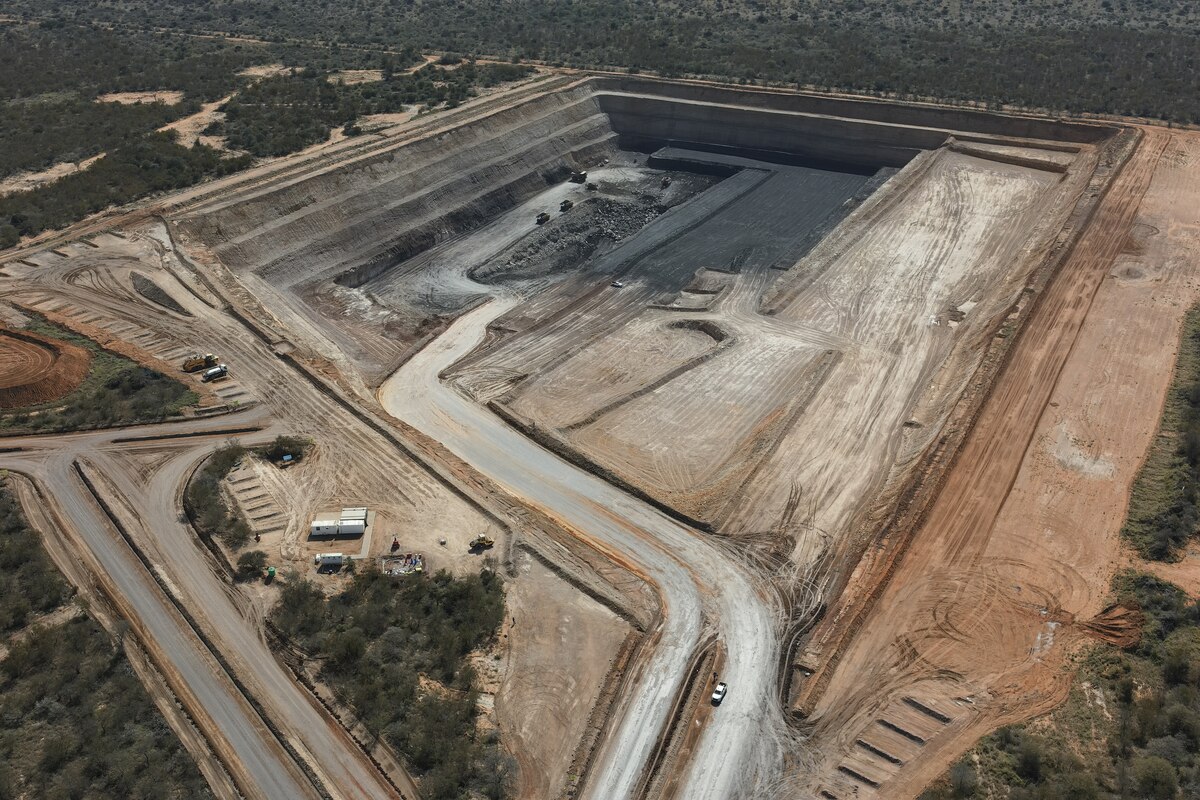
HMS also owns two coal mines, one in Botswana and another in South Africa. Production began this year, with output intended for industrial customers rather than electricity generation or the German market. The assets connect African supply directly with the company's established customer base in Asian growth markets.
The expansion comes as the global coal industry remains far larger than European phaseout policies might suggest. Citing figures from Germany's Association of Coal Importers, taz reported that worldwide coal production reached a record of around 8.5 billion tonnes in 2025. China mined more than half of that volume for domestic use, followed at a considerable distance by India and Indonesia.
Only slightly more than 1.3 billion tonnes of coal were traded internationally, while Germany received about 27.4 million tonnes. Those figures underline the distinction between global production and the seaborne market accessible to traders. For HMS, growth depends mainly on maintaining reliable delivery across that smaller internationally traded pool. Its management says the company has delivered consistently throughout its 31-year history, a requirement for retaining customers in a market dominated by substantially larger rivals.