Himachal Pradesh approves 2026 price support for mangoes, citrus and C-grade apples
Himachal Pradesh has approved a Market Intervention Scheme for processing-grade mangoes, citrus fruit and C-grade apples in 2026. HPMC will handle procurement, with HIMFED potentially joining apple purchases if required.
State approves intervention for three fruit categories
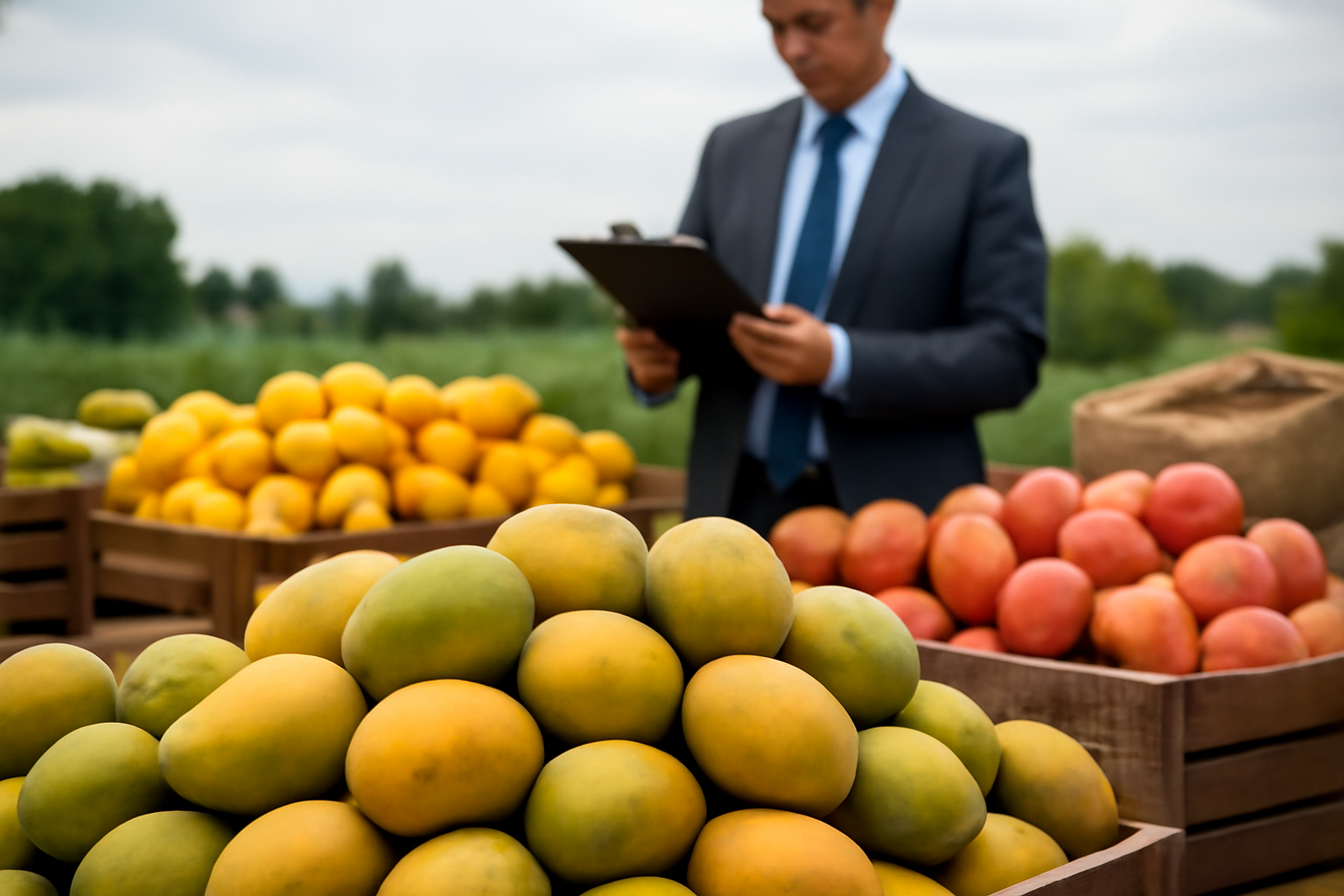
The government of Himachal Pradesh has approved a Market Intervention Scheme for the procurement of processing-grade mangoes, citrus fruit and C-grade apples during 2026. The measure is intended to provide assured procurement prices for fruit that is suitable for processing or falls into the lower commercial grade specified by the programme.
The decision covers three important segments of the state's horticultural output, but the available announcement does not specify the approved procurement prices, expected purchase volumes, budget allocation or opening dates for collection centres. Those details will determine the scheme's effective reach and the value of support available to growers during the respective marketing periods.
HPMC to lead procurement
Procurement will be carried out through the Himachal Pradesh Horticultural Produce Marketing and Processing Corporation, known as HPMC. For apple purchases, the Himachal Pradesh State Cooperative Marketing and Consumers Federation, or HIMFED, may also be associated if required. The option to involve a second agency gives the state additional institutional capacity for handling C-grade apples, although the announcement does not define the circumstances in which HIMFED would participate.
The scheme creates a formal outlet for produce that may not achieve the specifications or returns available in higher-grade fresh-fruit channels. Processing-grade mangoes and citrus fruit can be directed toward industrial use, while the inclusion of C-grade apples gives growers a designated procurement route for lower-grade supplies. For processors, implementation could provide an organised source of raw material. The commercial effect will depend on the prices offered, the quantities accepted and the accessibility of procurement points.
Implementation details will shape market impact
The intervention directly targets grower income by placing public procurement behind specified fruit categories. Its practical importance will become clearer once the government or procurement agencies publish operational terms, including quality standards, purchasing schedules and any quantity limits. These rules will influence which growers can participate and how much fruit enters the scheme rather than private marketing channels.
For producers and traders, the procurement price will serve as a reference when evaluating sales of eligible fruit. A broadly accessible programme could strengthen growers' negotiating position for processing-grade supplies, while restrictive volumes or collection arrangements would limit that effect. Processors will also need to assess whether fruit purchased under the scheme is available to them in predictable quantities and under commercially workable conditions.
The 2026 approval establishes the policy framework but leaves the main operating figures undisclosed in the material available. Market participants will therefore be watching for the official price schedule and procurement calendar, as well as clarification of HPMC's collection network and HIMFED's possible role in apple procurement. Those details, rather than the approval alone, will determine the programme's impact on farm returns, processing supply and local fruit pricing.