Higher US tariffs increase pressure on South African exporters
Recent US tariff increases are creating a new challenge for South African exporters, with agriculture among the sectors exposed. Economists warn that companies may need to reconsider pricing, market access and their reliance on US demand.
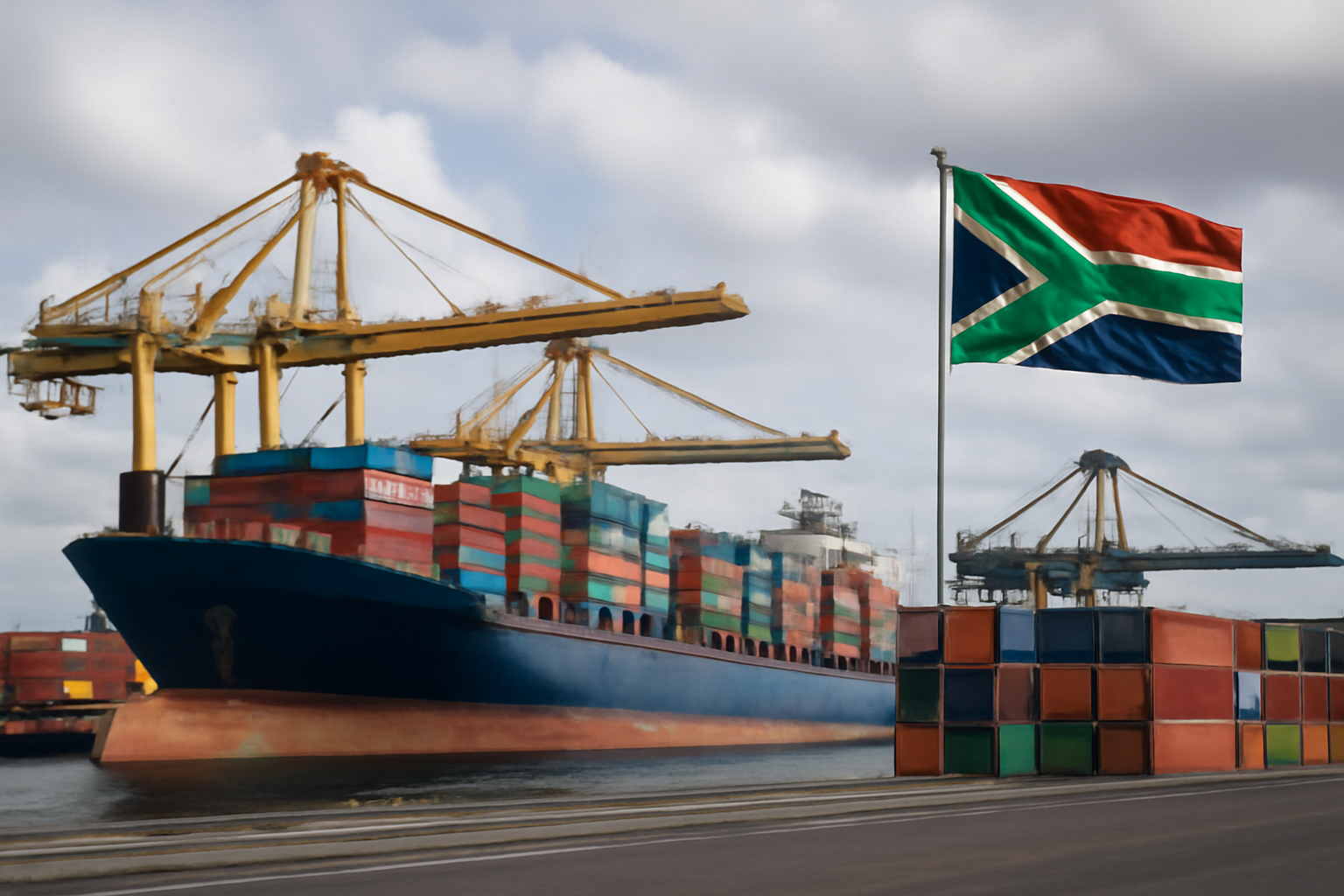
Exporters face a tougher US market
Recent increases in US tariffs are adding pressure on South African companies selling into the American market. Economists have warned that the new trade barriers present a fresh challenge for exporters, particularly businesses operating in agriculture. Higher border charges can make South African goods more expensive for US buyers and weaken their position against products supplied by domestic producers or exporters from countries receiving more favorable treatment.
The effect will vary by company and product. Exporters with strong customer relationships, differentiated goods or greater control over their margins may be better placed to absorb part of the additional cost. Suppliers competing mainly on price have less room to adjust. They may have to lower their export prices, accept reduced sales or pass the tariff cost to American customers, potentially weakening demand.
Agriculture faces particular exposure
Agricultural exporters must manage tariffs alongside transport costs, seasonal production cycles and the limited shelf life of some goods. These constraints can make it difficult to redirect shipments at short notice. Producers and processors that planned output around established US contracts may therefore face pressure even before any decline in shipment volumes becomes visible.
The challenge also extends beyond the exporting company. Lower demand or narrower margins can affect processors, logistics providers and farmers supplying export-oriented value chains. The consequences will depend on how long the higher tariffs remain in place, whether buyers continue placing orders and how costs are divided between South African suppliers and US importers. The available source material does not specify the tariff rates, affected product lines or implementation dates.
Pricing and diversification options
South African exporters have several possible responses, but each involves trade-offs. Companies can negotiate with customers over prices, improve efficiency, shift toward products with stronger margins or seek buyers outside the United States. Market diversification could reduce dependence on one destination, although establishing new commercial relationships, meeting different regulatory requirements and reorganizing logistics take time.
The tariff increase may also create opportunities for exporters able to adapt faster than competitors. Businesses with flexible production, established access to several markets or products that are difficult to replace may retain US customers despite higher costs. For the wider agricultural sector, the immediate priority is to identify which supply chains carry the greatest exposure and whether alternative destinations can absorb displaced goods. Exporters, producers and investors will need clearer information on the tariff coverage and duration before they can assess the full commercial impact.