Higher feed, oil and freight costs squeeze Dominican poultry producers
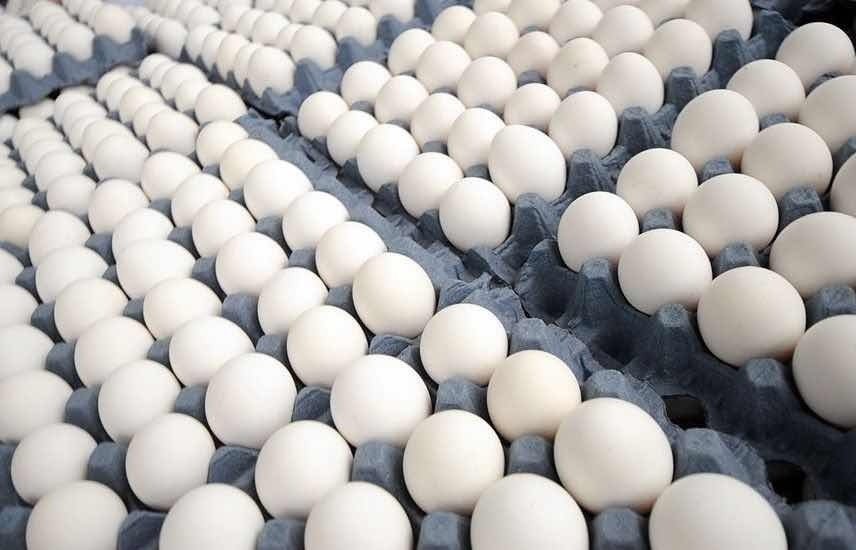
Rising corn, soybean meal, oil and maritime freight costs are increasing the cost of producing chicken and eggs in the Dominican Republic. The Dominican Poultry Association says domestic supply remains high, at more than 400 million eggs per month and an average of 23 million chickens.
Imported inputs raise production costs
The Dominican Republic’s poultry industry is facing simultaneous cost pressure from corn, soybean meal, petroleum and international freight. The Dominican Poultry Association, known as ADA, said these inputs are making it more expensive to feed and maintain birds and could eventually affect retail prices for chicken and eggs.
The industry depends on corn and soybean meal purchased in international markets for poultry feed. Higher petroleum prices add a second layer of pressure by increasing fuel expenses and maritime transport costs, making imported raw materials more expensive by the time they reach Dominican producers. The interaction between feed and logistics costs means poultry companies are exposed to several international markets at once, even when domestic production volumes remain strong.
Corn and soybean meal markets add pressure
According to ADA, corn was trading near $5.50 per bushel in Chicago amid strong export demand. Soybean meal recorded an increase of 21.75 US cents per bushel, or 1.69%, over the previous four weeks, driven mainly by purchases from China. Both products are essential components of poultry feed, so their price movements flow directly into the operating costs of chicken and egg producers.
The two source reports differ slightly in how they describe the soybean-related figure: 7Días refers specifically to soybean meal, while Diario Libre later calls the product soybeans. ADA’s broader warning concerns soybean meal used in animal feed. Neither publication provides a total estimate of the increase in production costs or a forecast for consumer prices, but the association said the combined rise in grain, fuel and shipping expenses could be reflected in final chicken and egg prices.
Supply remains high despite the cost shock
Oil is reinforcing the pressure on imported inputs. According to 7Días, Brent crude exceeded $100 per barrel, while Diario Libre reported that it closed above that level. ADA said the move directly affects maritime freight rates and raises the cost of imports required by the poultry industry. This is particularly relevant for a sector whose principal feed ingredients are sourced on international markets.
For now, ADA says the Dominican industry continues to maintain high output to serve national demand. Monthly production exceeds 400 million eggs, while chicken production averages 23 million birds. The association said it remains committed to stable market supply and to continuing to expand local production until national demand is fully met. It will also monitor international markets and inform producers, authorities and consumers about changes that may affect final prices. Chicken and eggs are important parts of household consumption and the Dominican basic food basket, making any pass-through from imported costs relevant both to producers’ margins and household budgets.