Higher Cotton Prices Encourage Expansion of Brazil’s Planted Area
Brazilian growers are preparing to expand cotton planting as stronger fiber prices improve the crop’s appeal. Globo Rural linked part of the increase to the war in Iran, which raised petroleum costs and made polyester textiles more expensive.
Stronger prices influence planting decisions
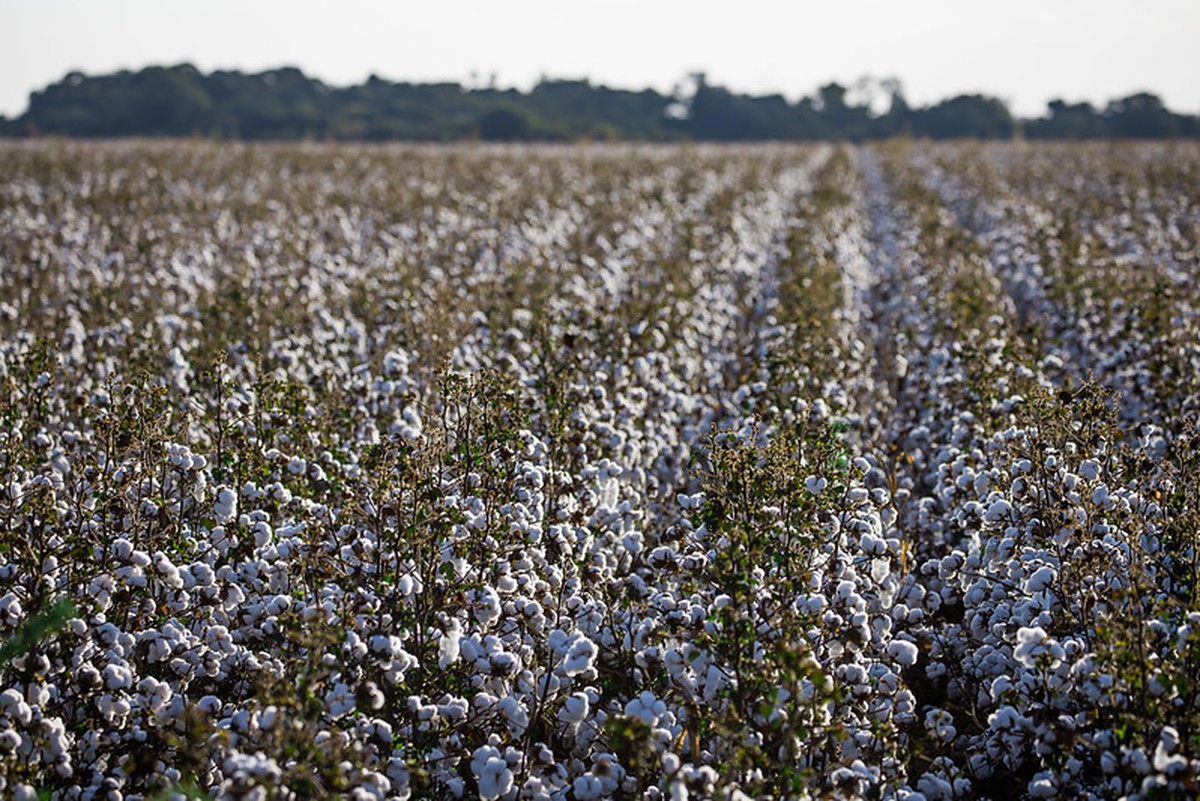
Higher cotton prices are encouraging an expansion of the planted area in Brazil, according to Globo Rural. The move indicates that growers see improved economic incentives for allocating more land to the fiber, although the available report does not specify the expected increase in hectares, the planting period or the regions where the expansion will be concentrated.
The price movement is partly connected to the war in Iran, Globo Rural reported. The conflict has pushed petroleum prices higher, increasing the cost of polyester textiles. Because polyester is derived from petroleum, changes in energy and feedstock costs can alter its competitiveness against cotton. More expensive synthetic material can therefore strengthen demand expectations for natural fiber and influence the prices offered across the cotton supply chain.
Oil creates a new variable for the fiber market
The relationship between petroleum and cotton matters to textile manufacturers, merchants and farmers because the two fibers compete in several end uses. When polyester becomes more expensive, mills and clothing producers may reassess their fiber mixes. That does not mean substitution will be immediate or complete: purchasing decisions also depend on product specifications, existing contracts, processing requirements and the relative prices available when orders are placed.
For Brazilian producers, the central signal is the cotton price itself. A stronger price can improve the crop’s position when farmers decide how to use available land and production resources. An increase in planting, however, is only the first stage of a possible supply response. Final output will still depend on field performance, while the volume eventually available to buyers cannot be established from the information published so far.
Additional supply could reach the market later
If the larger planted area translates into a bigger harvest, Brazil could have more cotton available for domestic processors and overseas customers. The timing and scale of that effect remain uncertain because Globo Rural’s report, as provided, includes no production forecast, export estimate or price level. Market participants will need those figures before quantifying how much additional Brazilian fiber could enter commercial channels.
The development nevertheless shows how disruption in one commodity can influence investment decisions in another. Higher petroleum prices raise the cost base for polyester; firmer cotton prices then encourage Brazilian growers to plant more. Producers gain an incentive to expand, while textile processors face a changing comparison between natural and synthetic fibers. Traders and buyers will now watch whether the acreage increase is confirmed and whether it ultimately produces a meaningful rise in cotton supply.