High Rates, Rising Prices and Sanctions Weigh on Russia’s Power Market
Russia’s electricity market is facing pressure from high central bank rates, rising prices, unstable operating conditions and sanctions. Industry participants say these factors are restricting investment and complicating the sector’s development.
Industry identifies four constraints
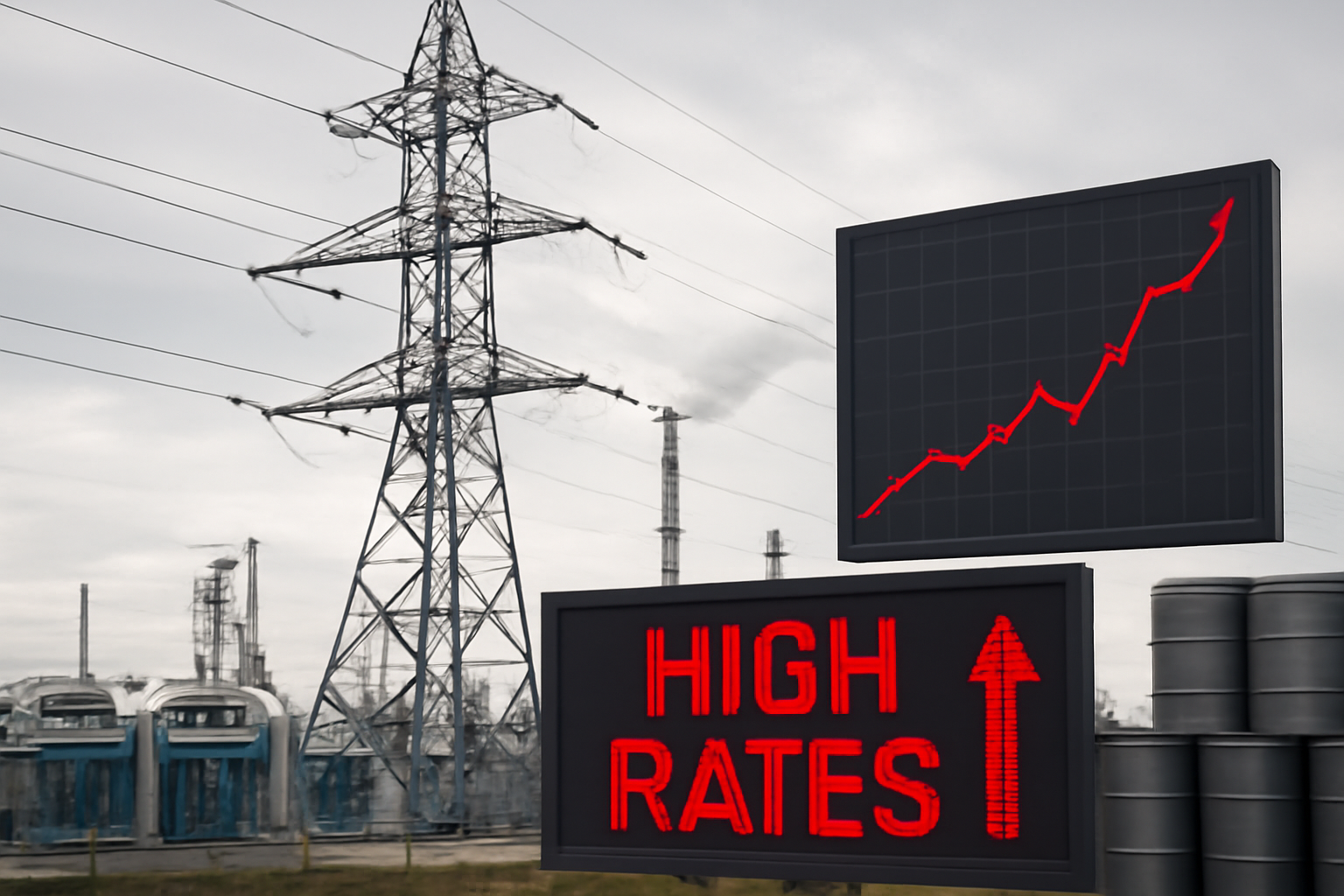
Russia’s electricity market is being shaped by four closely connected pressures: a high central bank policy rate, rising prices, a lack of stable operating conditions and sanctions. Rossiyskaya Gazeta reported that electricity-market participants identified these factors while discussing the industry’s development.
The combination matters because the power sector depends on long-term planning. Generation assets, grids and related infrastructure require substantial capital and must operate over extended periods. When borrowing is expensive and future operating conditions are unclear, companies have less room to commit funds to new projects or modernisation.
The reported concerns cover both the cost of investment and the predictability of returns. Higher prices can increase expenditure across projects and operations, while a high policy rate raises the cost of financing. Unstable conditions make it harder for producers and other market participants to assess whether planned investments will remain commercially viable.
Financing pressure reaches beyond new capacity
Expensive credit does not affect only proposals for additional generating capacity. It can also complicate upgrades, equipment replacement and other work needed to maintain existing assets. Projects with long construction schedules are particularly exposed because financing costs accumulate before an asset begins generating revenue.
Electricity companies cannot treat higher costs in isolation from market rules and pricing. The industry debate therefore centres partly on how prices should reflect investment needs without creating excessive pressure elsewhere in the economy. The source material does not specify particular tariff proposals or quantify the increases under discussion.
The absence of stable conditions adds another layer of risk. Investors, generators and infrastructure operators need visibility on the rules governing future revenues and costs. Without it, companies may delay decisions, narrow project plans or give priority to essential spending over expansion.
Sanctions complicate the investment outlook
Sanctions pressure compounds domestic financing and price constraints. The available source material does not identify particular technologies, suppliers or projects affected, but lists sanctions among the principal factors influencing the market’s growth. For industry participants, this means investment decisions must account for external restrictions alongside borrowing costs and changing domestic prices.
These pressures do not establish that Russia’s electricity market has stopped developing, and the report provides no figures for capacity additions, investment volumes or demand growth. They do show that the conditions for development have become more difficult. The central issue for producers, infrastructure operators and investors is whether financing, pricing and market rules can support necessary spending while sanctions remain in place.