High feed costs leave little room for cheaper milk, eggs and chicken in India
Elevated maize and protein-meal costs are squeezing Indian poultry and dairy producers, limiting the scope for lower retail prices. Feed accounts for about 65–70% of poultry and layer production costs, while maize acreage and output are expected to decline.
Feed becomes the central cost pressure
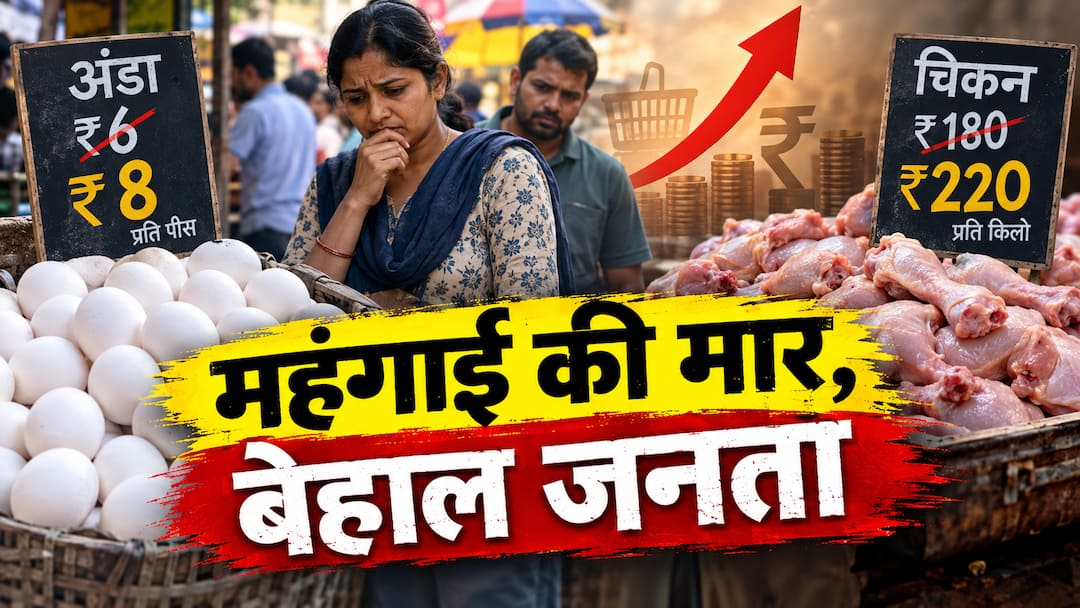
Indian consumers are unlikely to see sustained relief from high milk, egg and chicken prices in the near term as livestock and poultry producers contend with elevated feed costs. ABP Live reports that feed represents roughly 60–70% of total production expenses for farmers, making changes in the prices of maize, soybean meal and oilseed cake a direct influence on farmgate and retail markets.
The pressure is particularly acute in poultry. Feed accounts for about 65–70% of total costs in broiler and layer farming. Maize provides 55–65% of broiler feed and 50–60% of layer feed, while its share in cattle feed is 15–20%. These ratios leave producers heavily exposed when grain prices rise, with limited capacity to reduce selling prices without further eroding margins.
Maize supply faces competing demands
Weather disruption linked to El Niño, local water shortages and reduced planting have constrained supplies of feed grain. Government data cited by ABP Live show a 4.1% decline in the area planted with kharif maize. USDA projections indicate that Indian maize production could fall from a record 55.1 million tonnes in 2025-26 to 50 million tonnes in 2026-27.
At the same time, increased use of maize for ethanol production under India’s petrol-blending policy is diverting part of the crop away from animal feed. This competition adds price pressure for poultry and dairy operators. Protein ingredients are also expensive: soybean meal, groundnut cake and rapeseed oilcake remain substantially above their levels in previous years, according to ABP Live, directly compressing producer profitability.
Farm margins limit consumer price relief
Broiler production costs have reached about ₹110 per kilogram, while layer-feed costs stand at ₹30–32 per kilogram. Producers are also dealing with higher energy and transport expenses. Prolonged heat and water shortages have increased heat stress and bird mortality, reducing supply and adding another obstacle to lower prices.
Demand for eggs can temporarily weaken during religious fasting periods and festivals such as Sawan and Navratri, but lower consumption does not remove the underlying cost burden. The issue has broader significance for Indian agriculture: livestock’s gross value added reached 57% of crop value in 2023-24, up from 34% in 2013-14. With feed ingredients expensive and maize availability under pressure, farmers have little room to cut farmgate prices. Consumers may therefore continue to carry much of the additional cost through elevated prices for milk, eggs and poultry products in the coming months.